Australian Man Walks Out of Hospital With a Titanium BiVACOR Heart After 100 Days Awaiting Transplant

An Australian man in his forties walked out of St Vincent’s Hospital Sydney with a machine where his heart used to be. The implant was titanium. It had one moving part. It kept him alive at home, in shops, and in ordinary rooms for more than 100 days until a donor heart arrived. No one on Earth had previously left a hospital alive with this device ticking in their chest.
The operation happened on November 22, 2024. The man received a human transplant in early March 2025 after about 105 days on the pump. He was the sixth person in the world to receive a BiVACOR total artificial heart and the first to recover outside a ward. The AEGIS Alliance has watched the case because it is not a gadget story. It is a bridge across a waiting list that still kills people.
A kitchen-table invention that reached an operating room
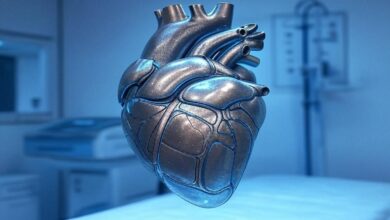
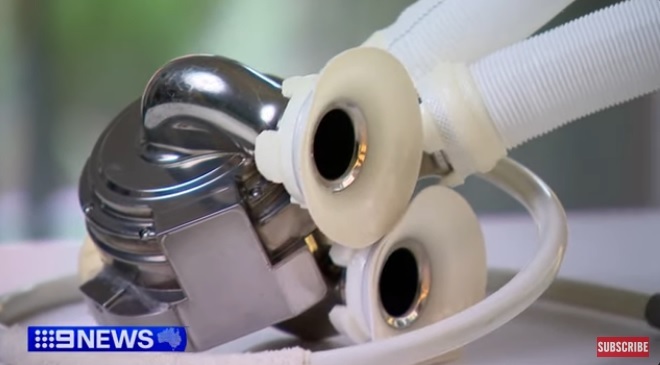
Queensland-born engineer Daniel Timms spent nearly two decades on the design. The BiVACOR total artificial heart is a rotary pump built from titanium. A magnetically levitated impeller, a double-sided disc held in place by magnets, spins without touching a bearing. There are no flexing plastic chambers to fatigue and no mechanical valves to crack. Blood moves in a continuous stream rather than a cartoon heartbeat.
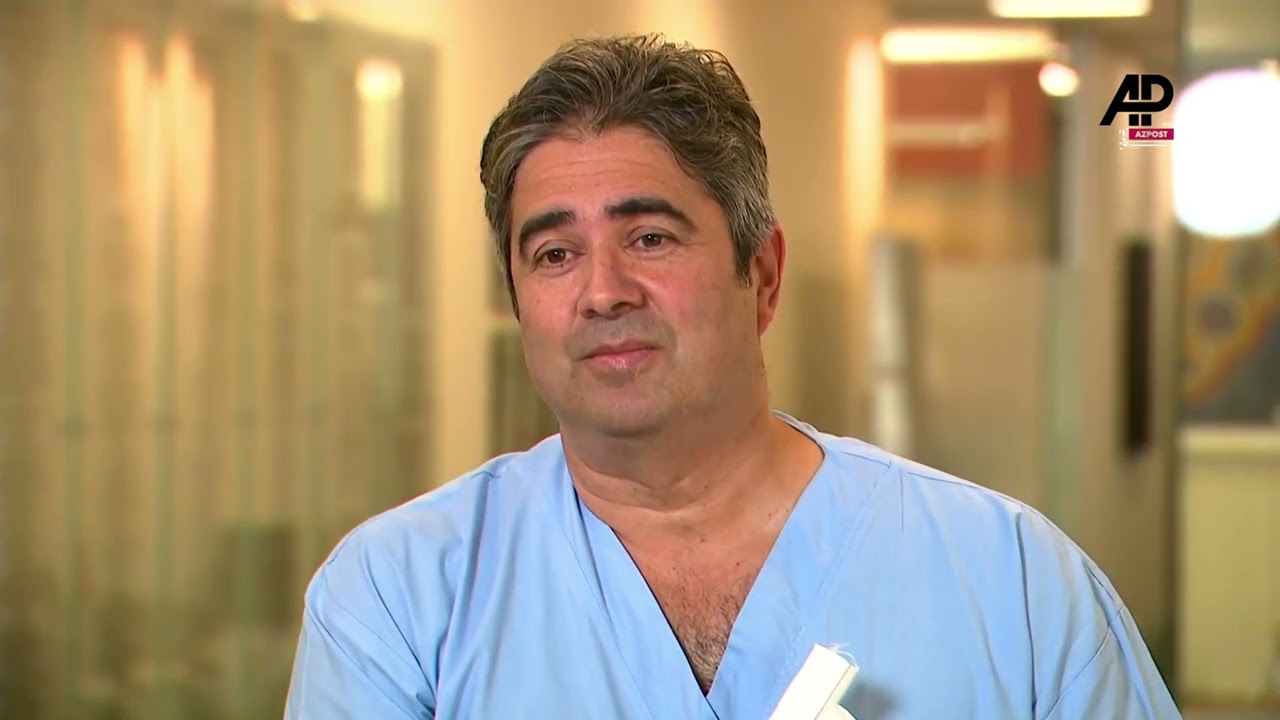
That architecture is the point. Earlier total artificial hearts failed because parts wore out or because the devices were too large for many chests, especially women’s. BiVACOR is roughly the size of an adult fist. Surgeons at St Vincent’s, including Dr. Paul Jansz and cardiologist Professor Chris Hayward, have called the Australian implant an “unmitigated clinical success.” Professor Peter MacDonald, another St Vincent’s cardiologist, went further in local coverage, calling the result a “complete game changer” that could shrink transplant queues.
The patient who went shopping with a titanium core
The recipient has not been named. He had end-stage heart failure and was not a candidate for a standard left-ventricular assist device. After the six-hour implant he did something previous total-artificial-heart patients rarely did: he went home. Team members told Australian outlets they would not have believed the recovery if they had not watched it. He shopped. He lived what they described as a fairly normal life while the transplant list worked in the background.
When a donor heart became available, surgeons explanted the titanium pump and put in the organ. The device had done the job it was designed for. It was a bridge, not a destination. That distinction matters, because marketing language around artificial hearts often skips it.
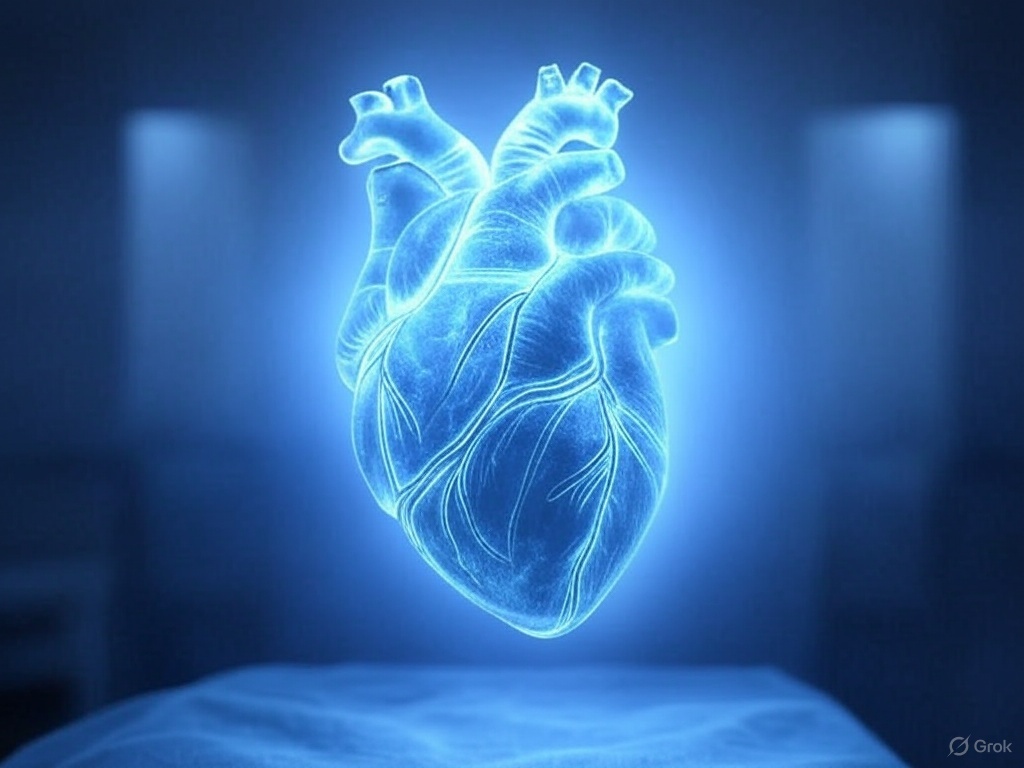
Five American patients, then a wider trial
The Australian man was not the first human to receive BiVACOR. The first implant in a person took place on July 9, 2024, at Baylor St. Luke’s Medical Center in Houston, inside the Texas Heart Institute program that has chased mechanical hearts for generations. Under an FDA Early Feasibility Study, five U.S. patients received the pump. All five were successfully bridged to donor transplants. The agency then allowed the company to add 15 more patients to the study.
In May 2025 the FDA granted Breakthrough Device designation for use as a bridge to transplant in adults with severe heart failure. That status does not mean the pump is approved for everyday use. It means reviewers are supposed to move faster because the unmet need is obvious. BiVACOR, headquartered in Huntington Beach, California, with clinical offices in Houston and an Australian base on the Gold Coast, also secured additional research money, including a grant routed through Monash University’s artificial-heart program.

The deaths that the press conference did not lead with
Not every Australian implant ended in a discharge and a donor organ. Two later patients in Australia died of bleeding in the brain several weeks after surgery. An independent review, described in surgical literature in 2026, concluded the hemorrhages were not caused by a defect in the pump itself and pointed instead at blood-pressure control and anticoagulation, the same tightrope every mechanical-circulatory-support team walks. The losses still landed on families who had been told the device was a way station to a second chance.
That is the part of the record The AEGIS Alliance will not sand off. A magnetically levitated impeller can be elegant and still sit inside a body that clots or bleeds. Surgeons have warned for years that total artificial hearts bring stroke and hemorrhage risk even when the hardware is sound. Readers who follow our health desk have seen the same tension in other breakthroughs, including the Long Island man whose sickle cell gene therapy worked only after chemotherapy that can cost fertility, and experimental drugs that look miraculous in a single patient before the complication tables arrive.
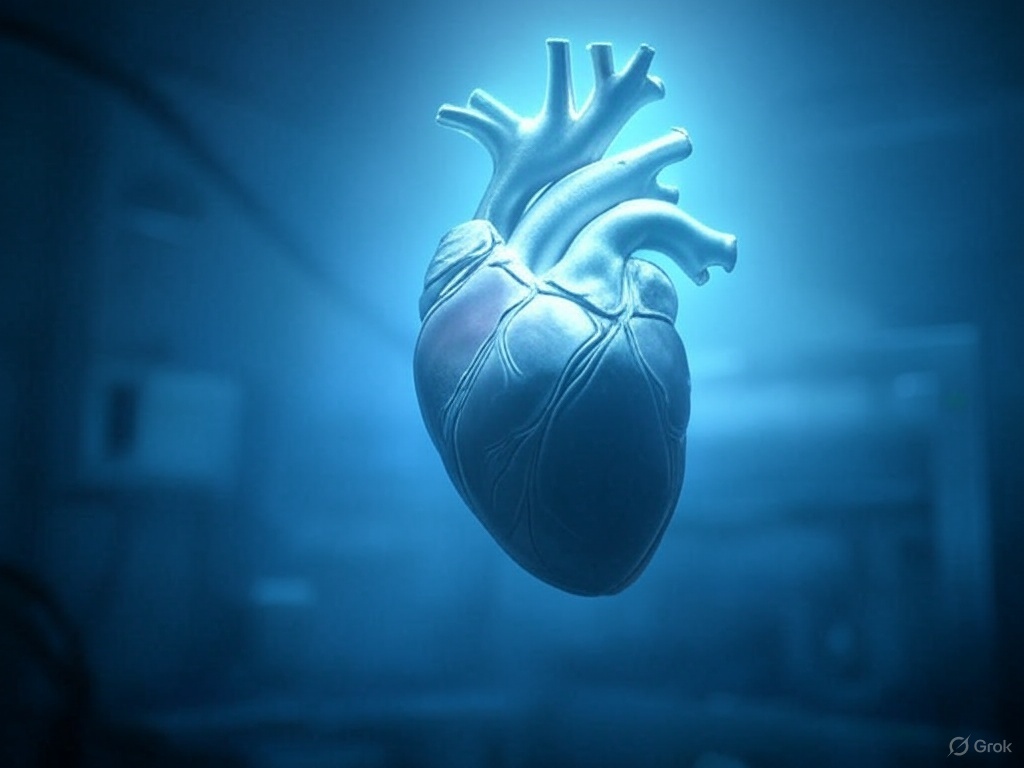
Why donor lists still run the show
Thousands of people die every year waiting for a heart. A left-ventricular assist device can support one failing side of the heart. Patients whose right and left sides are both finished, or who cannot take an LVAD, have had almost nothing except hope that a donor appears in time. A durable, smaller total artificial heart is the missing tool. If BiVACOR’s expanded U.S. study repeats the first five bridges without a wave of device failures, regulators will face pressure to let more centers implant it as a planned stepping stone.
Timms has said some recipients recovered fast enough that transplant teams were ready in days, not months. Speed is not the same thing as a destination therapy. Company materials still describe the current generation as a bridge. A permanent titanium heart, one a patient might live with for years without a donor, remains the longer project. That is the honest horizon, not the slogan.
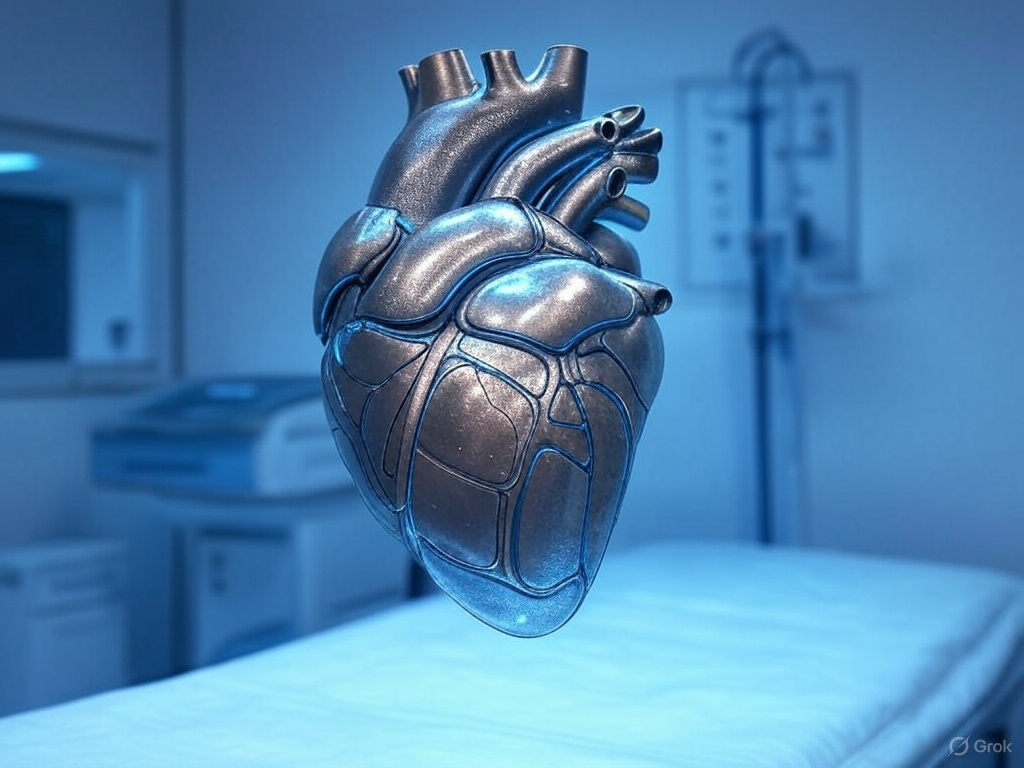
What the 105 days actually proved
They proved a person can leave a hospital with this particular pump and not immediately fall apart. They proved a surgical team in Sydney can explant the device and complete a transplant. They proved U.S. regulators were willing to widen a feasibility study after five successful bridges. They did not prove the machine is safe enough for every failing heart, or that anticoagulation can be standardized, or that two later Australian deaths were a closed chapter.
For one unnamed man, the proof was simpler. He walked out. He waited. He received a donor heart. The titanium disc that spun in his chest for 105 days did not get a name on a building. It got him to the next operation. That is a narrower miracle than the headlines sold, and it is still a miracle.