Meril Lesser Says Three Parrots Kept Her Alive After a Gramercy Park Co-op Paid $750,000 to End a Fair Housing Fight

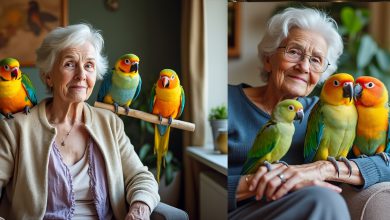
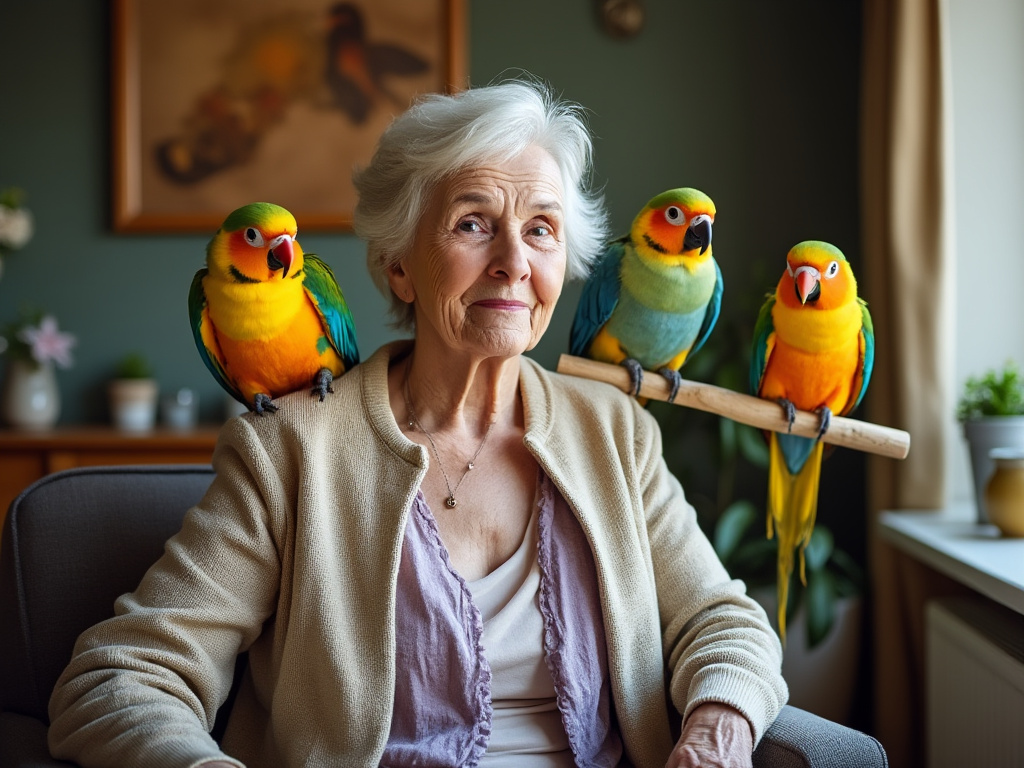
Meril Lesser bought a co-op at the Rutherford, a 14-story, 175-unit building at 230 East 15th Street in Manhattan’s Gramercy Park, in 1999. She moved in with parrots. For years the birds were a private fact of the apartment. A third bird arrived later. Their names were Layla, Ginger, and Curtis. In 2015 a neighbor, Charlotte Kullen, once described as a friend, began complaining about the noise. “Oh God, I wake up still with nightmares of them screaming in my head,” Kullen later told the Daily News. The building’s board treated the complaint as a reason to empty the apartment. Federal lawyers later treated the board’s response as disability discrimination. On August 16, 2024, U.S. District Judge Jennifer H. Rearden approved a consent decree that ended the fight for $750,000.
The number is two checks, not one. The Rutherford Tenants Corporation agreed to pay Lesser $165,000 in damages and to buy her shares for $585,000. The U.S. Attorney’s Office for the Southern District of New York, then led by Damian Williams, called it the largest recovery the Department of Justice had obtained for a person with a disability denied an assistance animal. Lesser had submitted letters from psychiatrist Adele Tutter stating that, to function, she needed three named emotional support animals for depression and anxiety. She soundproofed the unit. New York City Department of Environmental Protection inspectors visited 15 times and did not document a noise violation. A February 7, 2016, visit log recorded no birds screeching. In May 2016 the board started eviction proceedings anyway.
That July, Lesser moved out and sublet, telling federal investigators the fight had become more than she could occupy in safety, while she kept paying the carrying costs of a home she was no longer living in. In 2018 she filed a Fair Housing Act complaint with the Department of Housing and Urban Development. While HUD investigated, she lined up a buyer at $467,500. The board rejected the purchaser. Federal officials later called that rejection retaliation. HUD found probable cause. When the co-op would not settle, the Justice Department sued in 2021. Williams said the building’s refusal left the government no choice. The case is United States v. Rutherford Tenants Corp.

What $750,000 did not give back
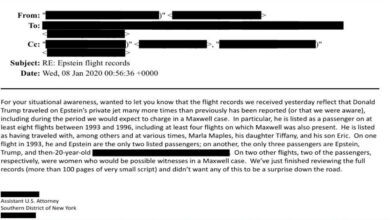
Board attorney Peter Livingston said the co-op was pleased to end the case. Ending it cost three-quarters of a million dollars plus years of legal fees that never appeared in the headline. The $585,000 buyout sat above the $467,500 sale the board had blocked. Under the decree the Rutherford had to dismiss the housing-court eviction, adopt a written assistance-animal policy, train the people who decide accommodation requests, and report to federal prosecutors so compliance could be watched. A policy on paper is the part volunteer boards resent more than the check. The next letter from a psychiatrist now arrives in a building that has already been monitored for getting the last one wrong.
The New York Times returned in February 2025 and found a person, not a mascot. Lesser, then 48, told the paper, “I had my life destroyed for 10 years,” and “Those birds have kept me alive.” She said she had a mental illness she did not choose. After leaving the Rutherford in 2016 she bought a house upstate and lived there with the parrots. Solitude was not the same thing as calm. Kullen, whose six-hour deposition in September 2022 became part of the record, told reporters she had not even known a settlement was signed. The friendship was the first casualty. The decree was the last line. People reached the same wreckage the same month. A February 2025 write-up in Reason still cited the dollar figure as a high-water mark for what the Fair Housing Act can require of a co-op board.
The birds were never a weekend gag. Parrots live for decades, and they are loud in a way a golden retriever is not. That strangeness is not a legal exception. Housing providers confuse two statutes on purpose and by accident. A trained service dog has public-access rights under the Americans with Disabilities Act that an emotional support animal does not. An ESA letter does not entitle anyone to a restaurant dining room. Housing is different. The Fair Housing Act requires reasonable accommodations for people with disabilities, and HUD has said for years that the duty can include an assistance animal even when a building’s rules say no pets. Fifteen inspections without a violation undercut the claim that these three birds were an uncontrollable nuisance. Soundproofing would have cost a fraction of $750,000. The board chose housing court.
Why a neighbor’s sleep became a federal file
New York City co-ops already filter buyers through interviews, financial packets, and board politics that would look like a private club in any other market. Disability law was always going to collide with that filter. The Rutherford collision lasted about eight years, crossed HUD and the Justice Department, and ended with the building writing a check large enough to exceed the sale it had refused. Lesser does not get the decade back. She gets an exit priced above the offer the board killed, and a public finding that there was reasonable cause to believe the building discriminated and then retaliated.
Fair-housing lawyers who have walked through the file on the decree describe a pattern boards should recognize without a parrot in the room. A documented disability. A named accommodation. Offered mitigation. An eviction. A blocked sale after a federal complaint. “Nuisance” is the word institutions reach for when they want a disabled resident gone without saying the disability out loud. Kullen’s distress was real enough to fill a deposition. Legally it was not the test. The test was whether the housing provider had granted a reasonable accommodation or had manufactured a reason not to. Judge Rearden’s order answered for this building. It did not declare that every tenant in New York may keep a flock.
The decree is also a snapshot of a federal office that has to choose its fights. HUD’s fair-housing staff are the intake door for complaints like Lesser’s. When that office is cut, the next Gramercy Park letter has a longer walk to a prosecutor. The Rutherford case shows what happens when the door stays open: probable cause, a lawsuit, a monitor, and a number other boards can read for free. It also shows the cost of waiting for that machinery. Ten years is not a reasonable processing time for a person who needed the animals in order to function. The Justice Department’s announcement of the settlement is the official version. The Times interview is the human one. Both belong in the file.
A cheaper lesson than another consent decree
Co-op boards that want quieter hallways still have lawful tools. They can mediate. They can pay for insulation. They can adopt an assistance-animal policy that starts with a written answer instead of a housing-court petition. What they cannot do, after this order, is treat a psychiatrist’s letter as optional stationery or punish a shareholder for asking HUD to read it. The Rutherford paid for that lesson in public, including legal spend that shareholders will feel long after the birds are gone from East 15th Street.
Layla, Ginger, and Curtis are not a punchline, and Lesser was not a cartoon of an eccentric tenant. She was a shareholder with a documented disability, three animals named in a doctor’s letter, a city noise log that did not back the board, and a buyer the board turned away. The AEGIS Alliance files similar collisions on the odd news e U.S. news desks, and tracks how institutions use procedure as punishment in crime news and in stories such as a school search that became a federal-style fight over a vape pen. The birds kept a person alive, by her account. The building kept a lawsuit. Only one of those outcomes was required.