Fire at Bayer Executive’s Madison New Jersey Home Investigated as Arson After UnitedHealthcare CEO Killing
The Luigi Mangione Case: A Symbol of Healthcare System Frustrations


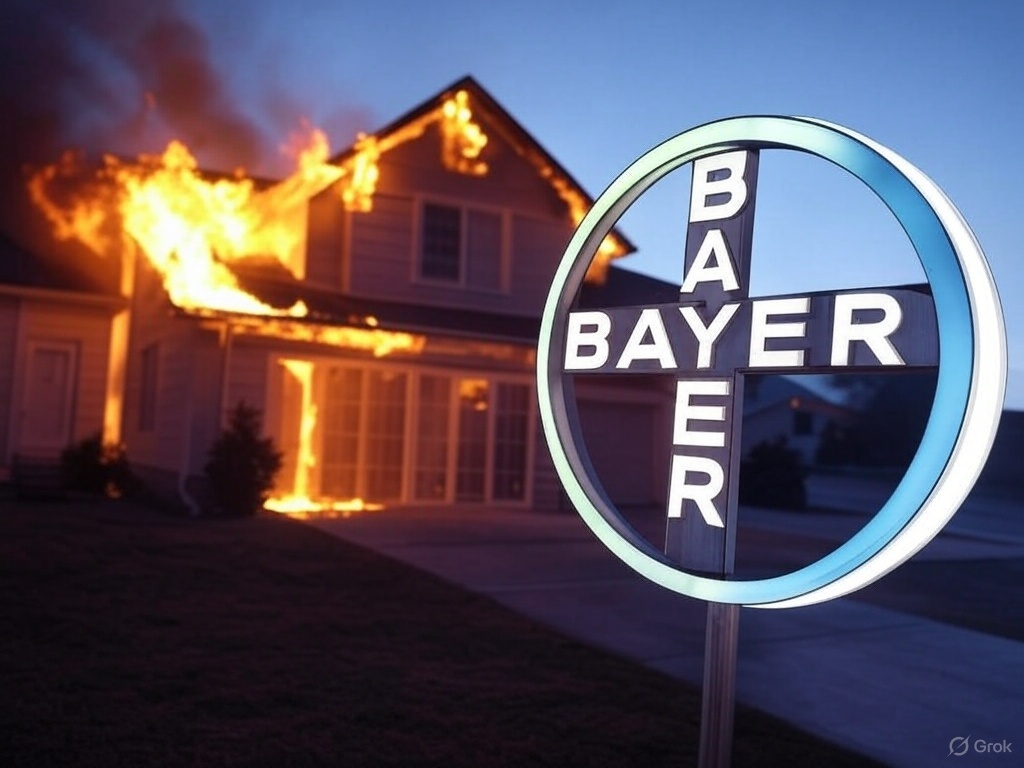
On the morning of March 4, 2025, firefighters in Madison, New Jersey, put out a blaze at an occupied house on East Lane. No one was hurt. The building did not collapse. The detail that pulled eight agencies, including the FBI, onto the lawn was the name on the mailbox: a Bayer pharmaceutical executive.
The fire started around 7:30 a.m. Investigators called it suspected arson. Three months to the day earlier, UnitedHealthcare CEO Brian Thompson had been shot dead outside a Manhattan hotel. Luigi Mangione was arrested five days after that killing. The Madison fire and the Midtown shooting are not the same case. They landed in the same season of rage at health-industry executives, and that is why The AEGIS Alliance is still on both files.

What is known about the Madison fire
Public details remain thin by design. Law-enforcement sources told national outlets the residence of a prominent Bayer executive had been targeted. The Madison Fire Department knocked the flames down quickly. Officials have not released the executive’s name, a suspect’s name, or a charging document that would let the public watch a prosecution. Multi-agency arson cases can sit in that quiet for a long time. Silence is not the same thing as a closed file.
Bayer is not an insurance company. It is a pharmaceutical and life-science giant that has spent years in court over Roundup and other products. That distinction matters if someone wants to write a single healthcare-executives-under-siege headline and stop thinking. An insurer that denies claims and a drugmaker that sells chemicals are different businesses with different enemies. The investigators in Morris County have to prove a person poured an accelerant for a reason, not that the internet was angry in December.
What happened to the Mangione prosecutions
Thompson was killed on December 4, 2024. Mangione was taken into custody on December 9 at a McDonald’s in Altoona, Pennsylvania. He became a folk figure almost immediately. A defense fund crossed $722,000 within months and later climbed past $1.5 million on GiveSendGo, with the December 4th Legal Committee saying the money would support his state, federal, and Pennsylvania cases. Crowds in Free Luigi shirts showed up at courthouse steps. Reddit moderators tried to throttle the fan accounts. Pollsters put his name next to questions about billionaires.
The legal track did not stay as simple as the merch. A Manhattan judge dropped two New York terrorism counts in September 2025. On January 30, 2026, U.S. District Judge Margaret Garnett dismissed the death-eligible federal murder-by-firearm count, holding that stalking was not the crime of violence the statute required. Capital punishment left the federal case. Attorney General Pam Bondi’s earlier directive to seek an execution did not survive that ruling. Prosecutors declined to appeal.
What remained federally were stalking counts. On August 14, 2026, Mangione pleaded guilty in the Southern District of New York in connection with Thompson’s murder. Sentencing was set for December 18, 2026. His lawyers then moved to knock out the New York state murder case on double-jeopardy grounds. The Manhattan District Attorney’s office said it was still preparing to try him for murder. A state trial date of September 8, 2026, had already been on the calendar. Whether that date survives the guilty plea is now a fight about whether one sovereign can punish him after another already took a plea.
In the state file, Justice Gregory Carro had already unsealed notice that the defense planned an extreme emotional disturbance argument. If a jury bought it, second-degree murder could drop to first-degree manslaughter and a 25-year cap instead of life. A May 2026 split ruling on the Altoona backpack let prosecutors keep the gun, a suppressor, and a handwritten notebook while suppressing other seized material.
A pattern is not a conspiracy chart
Insurance executives leaned on the Justice Department after Thompson’s death because they feared copycats. That fear is rational even if no court has tied Madison to Midtown. People who cannot get a claim paid, or who watched a relative die after a denial, do not need a manifesto to decide an executive’s house is a symbol. Violence against that symbol is still a crime. Treating every fire and every shooting as one plot is how rumor pages work. It is not how an arson indictment gets written.
UnitedHealthcare’s claim-denial record, including criticism of automated review tools, is a separate public argument. So is Bayer’s litigation history. The AEGIS Alliance has followed the Mangione case in earlier reporting on his jailhouse correspondence and family, and we have tracked other moments when public fury at institutions turned into street-level crime. None of that substitutes for a named defendant in New Jersey.
What the industry heard
After December 4, corporate security budgets in insurance and pharma did not go down. Bodyguards, home assessments, and quiet relocations are the unglamorous sequel to a celebrity assassination. The Madison fire, even if it ends as a one-off with minor damage, confirmed the fear. An executive does not have to die for a message to land. A porch that burns at 7:30 a.m. is enough.
Critics of the industry will say the real pattern is not arson. It is decades of claim denials, drug prices, and legal stalling that trained a public to cheer a suspect. That reading explains the donation totals. It does not give anyone a license to light a house. A newsroom can hold both facts: the healthcare system produces despair, and setting fire to a home with people inside is still attempted slaughter if the science of the blaze supports that charge.
Where the two stories stand now
Mangione has admitted, in federal court, a role in the stalking and killing of Brian Thompson and is waiting on a December sentence while New York prosecutors try to keep a murder trial alive. The Madison arson investigation has not produced a public suspect. Those are different tempos. One is a documented homicide moving through two court systems. The other is a fire that may yet be charged, cleared, or left in the FBI’s unresolved stack.
The useful question is not whether every executive should sleep behind a gate. It is whether a country that treats medical debt like a personality test should be surprised when the people on the other side of the test start looking for names. Surprise is a luxury. The fire on East Lane, the shooting on 54th Street, and the merch tables outside the courthouse are all data. Only one of them has a guilty plea attached. The rest is still an open investigation, and The AEGIS Alliance will treat it that way until a prosecutor puts a face on the accelerant.