Jetstar Passenger Opens JQ507 Emergency Exit After Landing In Melbourne Then Walks The A320 Wing And Climbs Down An Engine

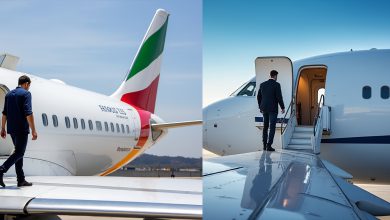
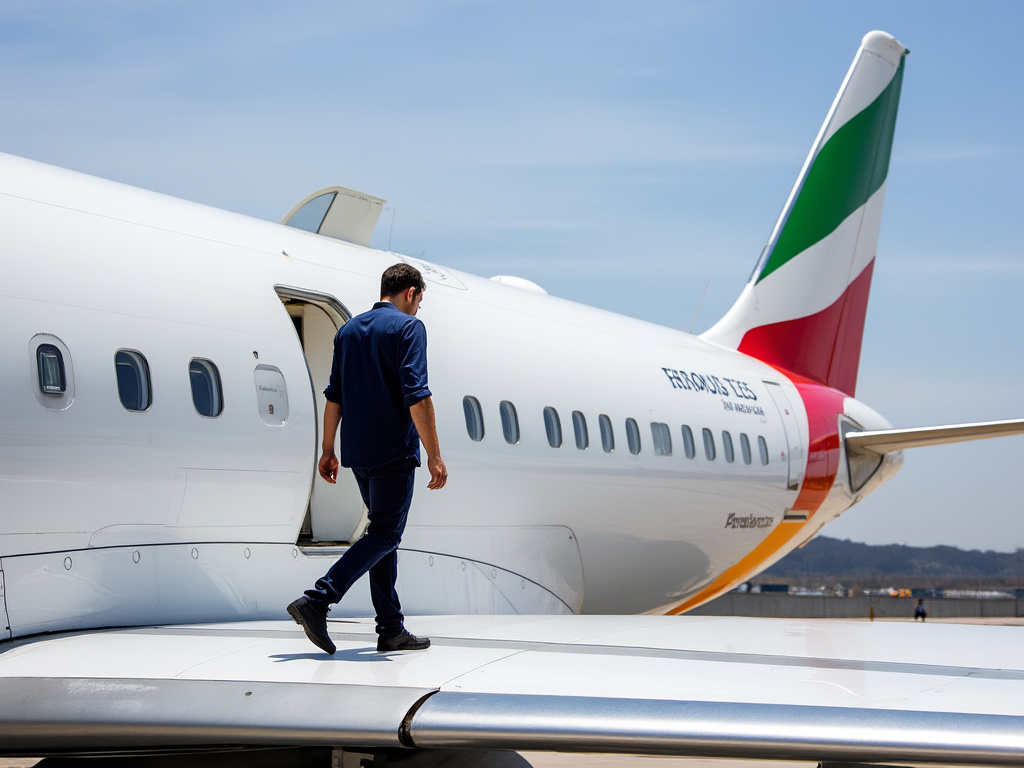
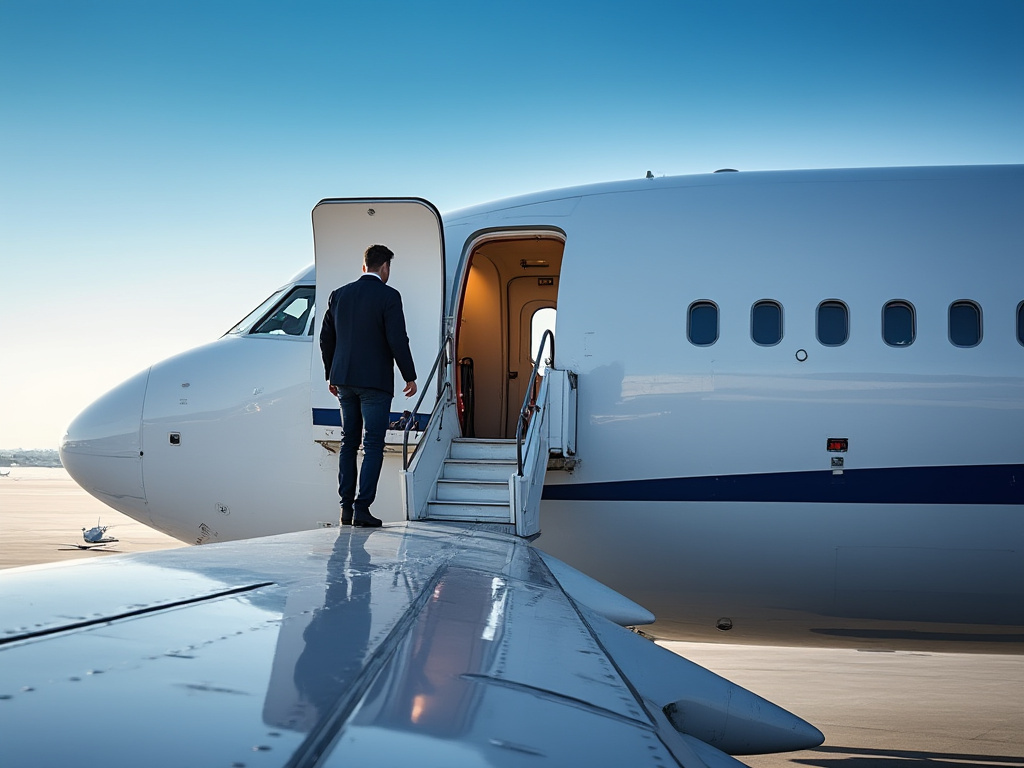
The Airbus A320 was already parked at Melbourne Airport when the hatch came off. Jetstar Flight JQ507 had finished the short hop from Sydney and rolled onto the stand around 10 a.m. local time on August 22, 2024. A passenger in the overwing row stood up, shoved people out of the way, and ripped open the right-side emergency exit. The slide dumped onto the tarmac the way the aircraft is built to do on the ground. The man did not take the slide. He walked the wing of airframe VH-VFL and climbed down an engine to the apron, where ground staff pinned him before Australian Federal Police arrived.
The AEGIS Alliance is treating this as a parked-aircraft breach, not an in-flight door event. That distinction matters. An overwing exit opened in cruise is a depressurization emergency. An overwing exit opened after the chocks are in is a security and safety failure on a live apron, with fuel trucks, tugs, and other aircraft moving around a man who should never have been outside the cabin.
Passenger Audrey Varghese told Melbourne Radio 3AW the man had been acting strangely for most of the flight and had been vaping on board. She said that as soon as the jet started coming to a stop, he charged the emergency-exit row. Fellow travelers described a scramble of bags and seats as he forced the hatch. ABC News Australia placed the aircraft at gate 43. The Guardian and TIME matched Jetstar’s statement that the plane was already at the gate when the door opened.
The Aviation Safety Network lists VH-VFL as an Airbus A320-232 built in 2013, operating JST507 from SYD to MEL. Jetstar confirmed that opening the exit automatically deployed the slide. The man ignored that path, walked the wing, and used an engine as a ladder. Luggage remained on the aircraft while crews secured the scene and later unloaded bags through a process that had just been interrupted by a live slide hanging off the fuselage.
Australian Federal Police said officers arrested the man for alleged aggressive behavior and breaching aircraft safety rules. Paramedics assessed him on the tarmac and took him to a hospital. He has not been publicly named. Later charging documents have not appeared in open court reports that The AEGIS Alliance could verify. The Australian reported that he was slapped with an interim flying ban after the incident. That is the last official line that can be confirmed without a published judgment.
Melbourne Airport said ground crew kept other passengers out of immediate danger. Jetstar thanked travelers for waiting through the slide deployment and the delayed bag unload. Those two sentences are the entire public-relations file. Nobody from the airline has released cabin CCTV. Nobody from AFP has released a mugshot. The gap is not a rumor. It is the record.
What the public does have is a clean mechanical picture. An A320 overwing exit is a plug-style hatch with a handle that a trained cabin crew member can open in seconds during an evacuation. On the ground, that same handle is supposed to be protected by procedure: seat-belt signs, crew positioning, and the simple fact that passengers in those rows are briefed not to touch the door. The briefing failed. The man reached the handle. The slide did what the slide is designed to do. He chose the wing instead.
Walking an engine cowl is not a stunt with a soft landing. The cowling is rounded, often still hot, and sits above hard pavement. One slip would have put him under the wing of a fueled airliner. Ground staff reached him first. That is the only reason this file ends with an arrest instead of a medical evacuation from under a jet.
Aviation regulators treat door events as two different problems. Inflight openings after 2018, including the Alaska Airlines 737 MAX 9 plug-door blowout in January 2024 and later passenger-door cases in other countries, produced airworthiness and cabin-security reviews. Ground openings produce a different paper trail: airport security, police, and an airline’s own disruption report. JQ507 sits in the second pile. The aircraft was not airborne. The door was not a mid-flight failure. A person forced it after arrival.
That still leaves a live question about how a passenger who had been vaping and acting strangely was seated in or able to reach an exit row. Exit-row rules exist because those seats are part of the evacuation system. Airlines screen for language, mobility, and willingness to help. They do not always screen for agitation that builds during a one-hour domestic hop. Varghese’s account is the closest thing the public has to a cabin timeline, and it describes a man who was already off-pattern before the wheels stopped.
The unnamed-suspect problem is familiar to readers who follow International News and Odd News on this site. Police hold a name when a person is taken to hospital and when charges are only « likely. » Newsrooms then reprint the airline statement and move on. Two years later the file is still thin. No published sentence. No published psychiatric disposition. No Civil Aviation Safety Authority final report that names the passenger. The airframe number is public. The man is not.
There is a reason door stories travel. People sit next to emergency exits every day and assume the handle is theater. It is not. On an A320 the overwing hatch is a real door into a real wing root. Open it on the ground and you dump a slide onto whoever is standing under the wing. Open it because you want off the airplane, and you have just converted a parked arrival into an apron incident that shuts a gate, delays a bank of flights, and puts first responders onto live taxiways.
The same week this site logged another public-order crash that started as a welfare stop, the Gardena collision after a firefighter check. Different country, same pattern: a first responder trying to slow a person down, then a sudden break into property and pavement. JQ507 did that break on an airliner instead of a boulevard.
Readers who want the mechanical file can start with the Aviation Safety Network entry for VH-VFL and the airline’s one-paragraph confirmation. Readers who want the human file are still waiting on a name and a court date. Until those appear, the story that can be written is the one the tarmac already showed: a parked Jetstar A320, a forced overwing exit, a man on the wing, and police waiting at the bottom of an engine.
The AEGIS Alliance will update this report if AFP or an Australian court publishes charges, a plea, or a sentence under an identified defendant. Until then the public record stops at the hospital transfer and the interim flying ban.