Hollister Toddler Hospitalized With a 0.12 Blood Alcohol Level After a Salinas Hibachi Kitchen Poured Cooking Wine From a Jug Labeled Apple Juice

The cup looked like every other kids’ cup on a hibachi table. Lidded. Ordinary. Poured from a kitchen jug that said apple juice. On August 17, 2024, a 2-year-old girl from Hollister drank from that cup at Fujiyama Sushi & Hibachi Restaurant in Salinas and ended the night at Salinas Valley Health with a blood alcohol content of 0.12. California’s adult driving limit is 0.08. For a toddler, that number is not a punchline. It is a medical emergency. The AEGIS Alliance is keeping the file open because the failure was not a bartender grabbing the wrong stemware. It was a labeled container in a working kitchen, handed to a child by a server who trusted the writing on the side.
The child’s mother, Noemi Valencia, and her partner were seated with a large family group when the girl’s balance collapsed. She swayed. She slurred. She slid off the chair and leaned on walls because she could not keep her head up. Valencia looked into the cup, saw a brownish-red liquid, and smelled alcohol. She and her partner tasted it to confirm what the kitchen had already denied by labeling. « She was swaying, she was falling over, she was leaning on walls, she couldn’t hold her head up, she was slurring her words, » Valencia told KSBW 8.
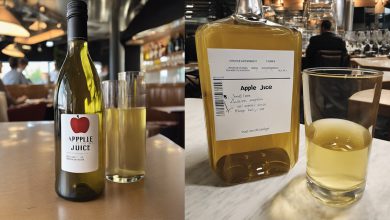
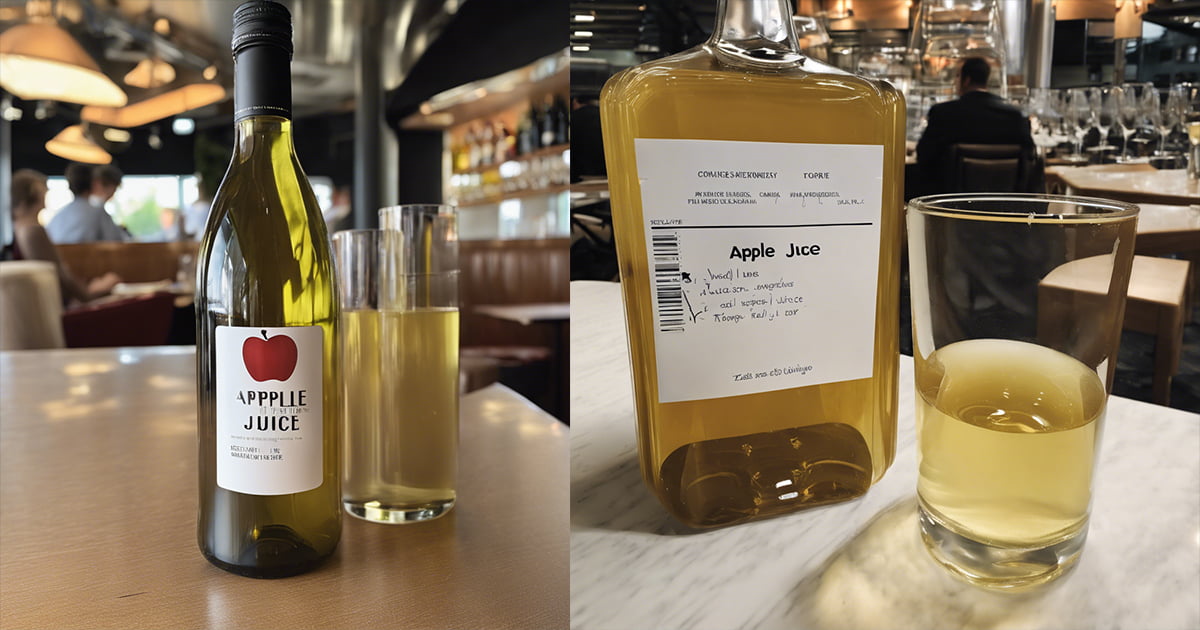
The Los Angeles Times and the New York Post carried the same sequence. Nothing about the service looked wrong until the child’s body advertised the pour. A manager later told local reporters the house cooking wine had been stored in a large refrigerated container marked apple juice and that a server filled the kids’ cup believing the label. That explanation is tidy. It is also an admission that the restaurant’s bulk-liquid system treated wine and juice as interchangeable if the marker ink said so.
A 0.12 reading in a body that small
Adults joke about a glass of wine with dinner. A toddler does not have an adult liver, an adult blood volume, or an adult ability to tell a parent the drink tastes wrong. At 0.12, the girl was half again over the legal line that would get a grown driver arrested on Highway 101. Hospital staff treated her as a poisoning case, not a curiosity. Valencia’s warning afterward was blunt: smell the cup, taste the cup, and do it before the child finishes it. She also asked Fujiyama to lock down how bulk liquids are labeled in the kitchen so the next table does not have to play chemist.
Salinas police logged the report the same night, August 17, 2024. The California Department of Alcoholic Beverage Control said it was working with local authorities. Public records since those first reports have not shown a published ABC accusation or a posted fine tied to the restaurant. That silence is why families still treat the case as a warning rather than a closed regulatory story. A license inquiry that never becomes a public accusation leaves the next parent with a news clip and a rumor instead of a paper trail.
Fujiyama is a sushi-and-hibachi room, the kind of place that runs hot grills in front of guests and keeps squeeze bottles and bulk jugs in the back. Cooking wine belongs in a kitchen. Apple juice belongs in a kids’ cup. Those two liquids should never share a vessel, a marker, or a shelf position that makes a rushed server guess. The restaurant’s account — a mislabeled container — is the most common version of this accident in American dining rooms, which is another way of saying kitchens keep making it.
This mix-up has a precedent, and it keeps repeating
In 2015, a Michigan Applebee’s poured margarita mix from a mislabeled container and sent a 15-month-old to a hospital with a 0.10 BAC. Different chain. Different state. Same failure: a back-of-house jug that said one thing and held another. The Salinas case did not invent a new hazard. It proved the old one still works on a Saturday night in Monterey County. Parents who assume a lidded cup is safe because it looks like juice are relying on a labeling culture that restaurants have already shown they cannot police without being forced.
There is a second layer that rarely makes the first news cycle. Alcohol service rules in California are written around adults. ABC cares about overservice, fake IDs, and sales to minors at a bar rail. A cooking-wine jug in a walk-in is a food-safety problem that becomes a liquor problem only after a child is already in an ambulance. That gap is how a hibachi kitchen can pour wine into a toddler’s cup and still look, on paper, like a place that « did not sell alcohol to a minor. » The child did not belly up to a bar. A server poured from a fridge.
Valencia’s family drove in from Hollister for a group dinner. They did what families do: they ordered a kids’ drink and trusted the house. The house trusted a label someone had written on a container that previously held, or was later filled with, cooking wine. No one in that chain is a cartoon villain. The harm still happened. A 2-year-old slurred her words in a dining room full of relatives who had every reason to believe the cup was juice.
What kitchens should already be doing
Bulk liquids in a restaurant kitchen need more than a Sharpie. They need dedicated vessels, color-coded caps, and a rule that alcohol never sits in a juice-shaped jug. They need a manager who checks the walk-in the way a bar manager checks well bottles. They need staff who are told that a kids’ cup is not a low-stakes pour. The cost of those habits is cheap next to an emergency-room bill and a police report that will follow a restaurant’s name for years in search results.
The AEGIS Alliance files odd service failures next to child-safety cases because the two meet in the same chair. See our Odd News desk, the Portage Applebee’s arrest over an all-you-can-eat special, and the file on what actually ends up in everyday food. Related kitchen and consumer reporting also lives under U.S. News.
The child recovered. That sentence is the only mercy in the story. Recovery does not rewrite the 0.12. It does not unsay Valencia’s description of a toddler who could not hold her head up. It does not turn a mislabeled jug into a competent kitchen. Until ABC or a civil claim puts paper on the incident, the public record is a mother’s interview, a manager’s excuse, and a hospital number that should never have been attached to apple juice. The AEGIS Alliance is leaving that record in the open so the next family that sits down at a hibachi grill has a reason to smell the cup first.