Scientists Use Solar Power To Turn Salt Water Into Freshwater — And Mine Lithium From What Used To Be Toxic Brine
Solar-Powered Desalination: A Breakthrough in Freshwater Production

Seventy-one percent of the planet is water, and most of it will wreck a farm, a tap, and a human kidney. Desalination already drinks coal and gas to push seawater through reverse-osmosis membranes. The bill is energy, brine, and a plant that dies when the grid dies. The bet behind this article has not changed since 2017: if sunlight can do the work, the map of who gets drinking water changes.
It can. The question is no longer whether a lab can turn seawater into a cup. It is whether the cup is cheap enough, clean enough of toxic brine, and small enough to sit where the pipes do not.
Waterloo, MIT, And A Suitcase That Beats The Tap
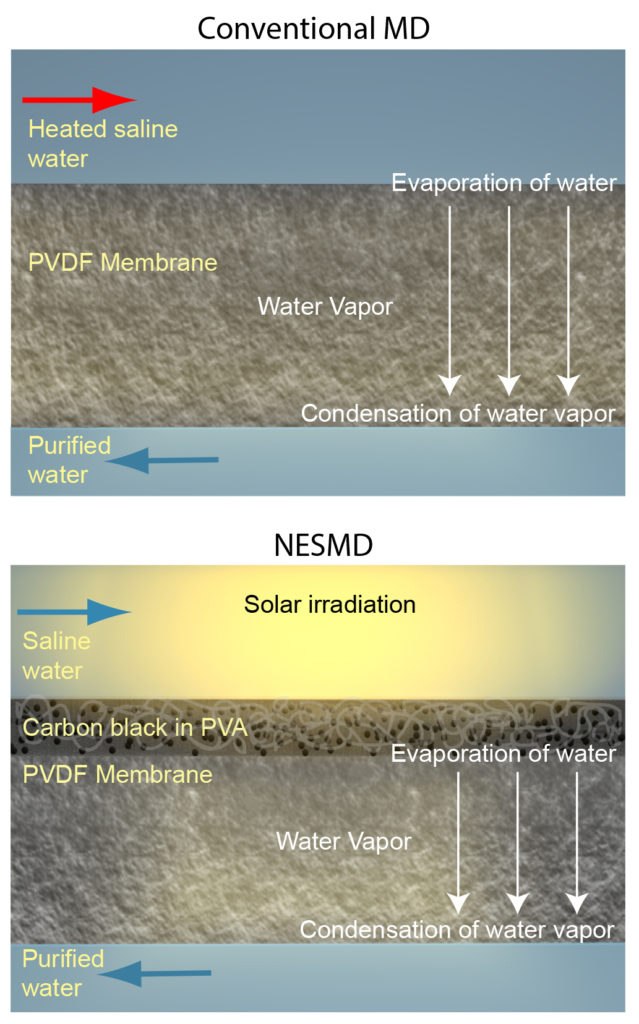
University of Waterloo engineers published a solar evaporator that they reported at about 93 percent efficiency, producing on the order of 20 liters a day from a device that uses sunlight to drive evaporation and collection rather than high-pressure pumps. That is a village-scale number, not a city’s, and it is the point. You do not need a municipal plant to fill a family’s jugs.
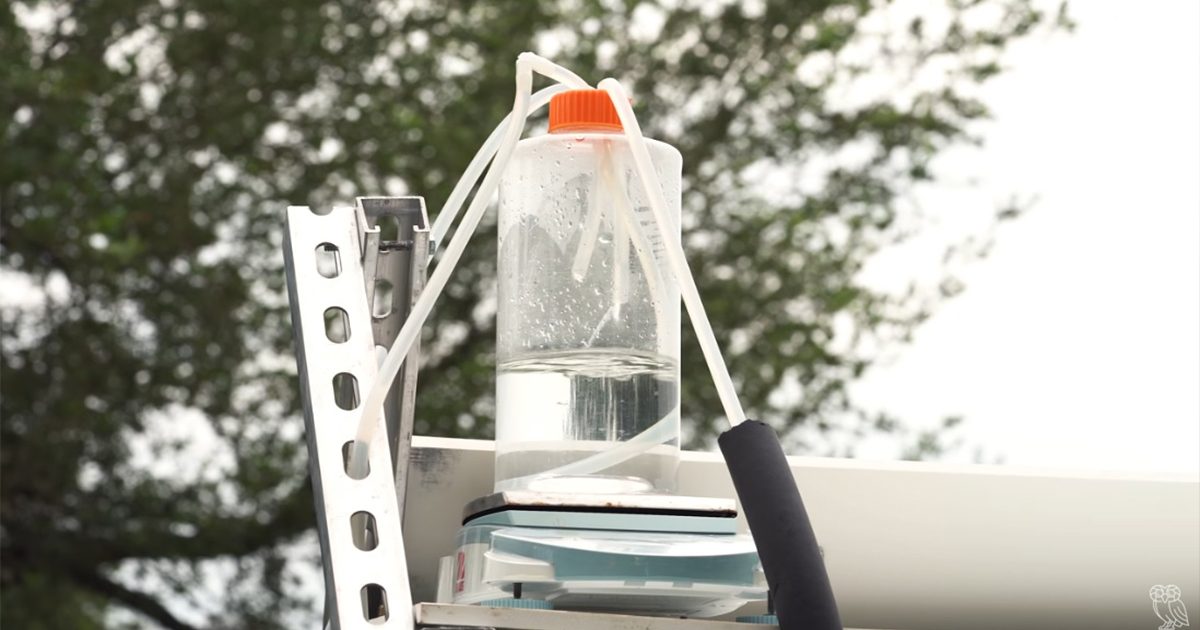
MIT’s Research Laboratory of Electronics has spent several years on a different architecture: electrodialysis and ion concentration polarization, powered by panels on the box, with no high-pressure pump and no battery pack to die on a cloudy afternoon. A 2023–2025 line of MIT designs produced freshwater at costs the team compared to U.S. tap water from a suitcase-sized unit. In October 2024, MIT engineers described a solar-powered system that follows the sun’s intensity so closely it does not need extra batteries at all. The salt ions are pushed out of the stream electrically. Biological gunk that clogs reverse-osmosis membranes has less to grab.
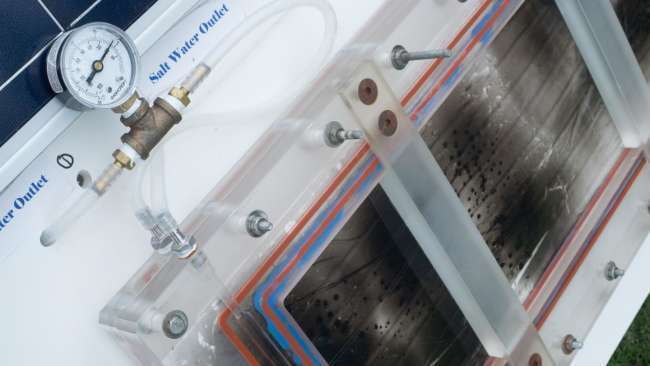

Dalhousie researchers in Nova Scotia built a version that uses recycled tires in the evaporator. Greek and Gulf pilots have pushed button-operated solar stills aimed at islands and labor camps. None of these is a replacement for a coastal city’s RO plant tomorrow morning. All of them are the argument that fossil-fuel desalination is a choice, not a law of physics.

The Brine Problem, And A Metal That Keeps The Salt — And The Lithium
The hidden cost of desalination is not the water you drink. It is the hypersaline brine you dump, which sinks, kills, and is legally someone else’s problem. On May 27, 2026, researchers at the University of Rochester’s Institute of Optics, led by Chunlei Guo, published in Light: Science & Applications a solar-thermal design that uses laser-treated black metal to pull a thin film of seawater across a sun-absorbing surface, distill the water, and deposit leftover salts onto untreated « passive » zones instead of dumping them as brine or clogging the working surface. No chemical pretreatment. No extra grid power. The leftover minerals are collected.
A companion paper in the Journal of Materials Chemistry A went further. Guo’s team embedded hydrogen-titanate nanoparticles in the laser-etched grooves. Tested on water from Utah’s Great Salt Lake, the panels captured about 50 percent of the lithium in the desalination residue while other salts passed. ScienceDaily carried the result at the end of May 2026. The University of Rochester posted its own walkthrough of the process.
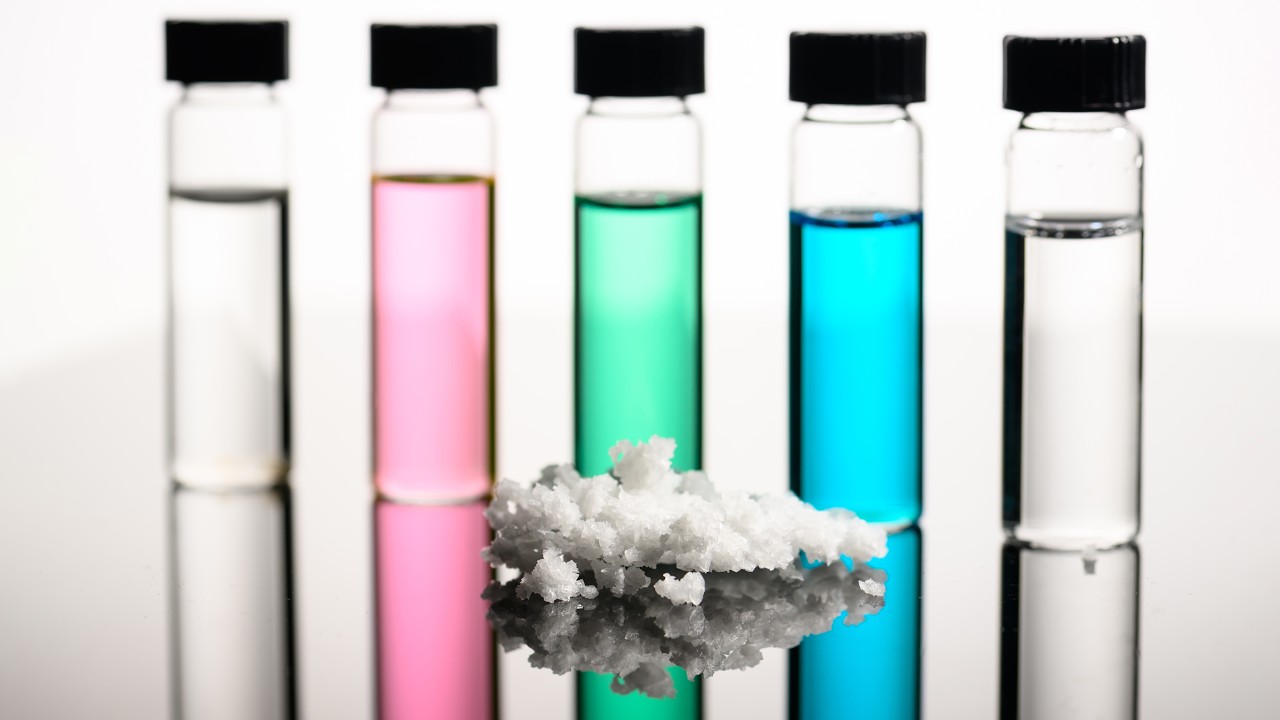
That sits next to MIT’s suitcase units as a second camp: one chasing passive, ocean-inspired circulation, another chasing a self-cleaning metal that never lets salt cake the evaporator and, as a bonus, mines lithium from the leftover. Neither is a full municipal plant. Both point in the direction this article named years ago — sunlight doing the work that fossil-fuel reverse-osmosis plants still bill by the kilowatt-hour.
For more of The AEGIS Alliance on energy, water, and the technologies governments underfund, see Science and Environment. The same question of who is allowed to look at the books of a public monopoly sits in our report on the senators who voted against auditing the Federal Reserve.