Were 14 Books Really Removed From The Bible in 1684? The True History Of The Apocrypha And Who Actually Cut Them

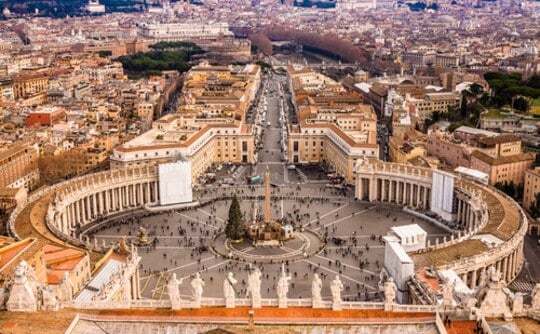
A meme that never dies says the Vatican stripped 14 books out of the Bible in 1684 and left only the 1611 King James standing. It is a clean story. It is also the wrong story.
The 1611 King James Bible did contain 80 books. The last section of the Old Testament in that edition was the Apocrypha — the set of writings Protestant printers later dropped and Catholic Bibles still carry, with some variation, as deuterocanonical. Those titles, as this site listed them when the post first went up, are 1 Esdras, 2 Esdras, Tobit, Judith, the Rest of Esther, the Wisdom of Solomon, Ecclesiasticus (Sirach), Baruch with the Epistle of Jeremiah, the Song of the Three Holy Children, the History of Susanna, Bel and the Dragon, the Prayer of Manasseh, 1 Maccabees, and 2 Maccabees.
Rome did not hold a 1684 council that reached into English print shops and ripped those books out. The Catholic Church had already, at the Council of Trent in 1546, confirmed the deuterocanonical books as scripture against the Protestant Reformation. The books that vanished from most English Protestant Bibles vanished because Protestant editors, Bible societies, and printers decided they did not belong in the canon — and because leaving them out made a cheaper book.
Early English Bibles, including the 1611 KJV, printed the Apocrypha as a distinct section. Through the 1600s and 1700s some editions kept it and some did not. The British and Foreign Bible Society’s 1826 decision not to fund Bibles that included the Apocrypha did more to clear those pages from Protestant shelves than any Vatican decree. By the late 19th century, a «standard» Protestant King James in American pews was 66 books. Catholic, Orthodox, and some Anglican editions kept the extra texts. The 1684 date that travels with the meme does not match a removal event in Rome. It matches a rumor that flattened a century of Protestant printing decisions into a Jesuit plot.
That does not make the Vatican innocent of anything else. The same institution has spent modern decades paying out clergy sexual-abuse settlements while fighting full disclosure of its archives — a record The AEGIS Alliance has followed in the New Orleans church cover-up that became a $305 million reckoning. A false 1684 story is not required to indict that history. A true one is enough.
What Those Books Actually Say
The Wisdom of Solomon 2:1-24 is the passage that keeps pulling people back. It describes the wicked plotting against a righteous man who «professeth to have the knowledge of God» and whose ways are unlike others. Readers have argued for centuries whether that text is a philosophical warning, a portrait of persecution, or a shadow of the Passion narrative. It is in the canon of the Catholic Church. It is not in most Protestant pew Bibles. That fact, not a 1684 raid, is the live issue.
Solomon’s reputation in later occult and Masonic literature is a separate pile of claims, and it should be labeled as such. The Temple, the two pillars, and the later fraternal mythology around them are real cultural history. They are not a substitute for the textual history of how the Apocrypha left English Protestant print.

If you want the books themselves, read them. Do not take a screenshot of a list as a council minute. A straightforward walkthrough of what the Apocrypha contains, and what it does not, is in the videos below. The first walks through how a Bible that once held 80 books was cut down by printers and a Bible society, not by a Vatican hit squad. The second is a full audiobook of the excluded texts themselves.


The honest version of this story is less cinematic and more damning in a different way. Protestant publishers and societies, not a Vatican hit squad in 1684, took 14 books out of the English Bibles most Americans grew up with. Catholic Bibles kept them. The people who share the meme are pointing at a real absence. They have the wrong culprit and the wrong year.
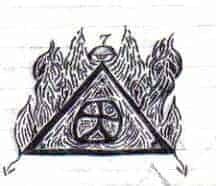
The same hand drawings in this article also live with the greater staff, walking stick, and custom-painted Guy Fawkes mask. For more of The AEGIS Alliance on religion, hidden history, and the stories that travel farther than the footnotes, see The Unexplained Or Unconfirmed and The AEGIS Alliance News.
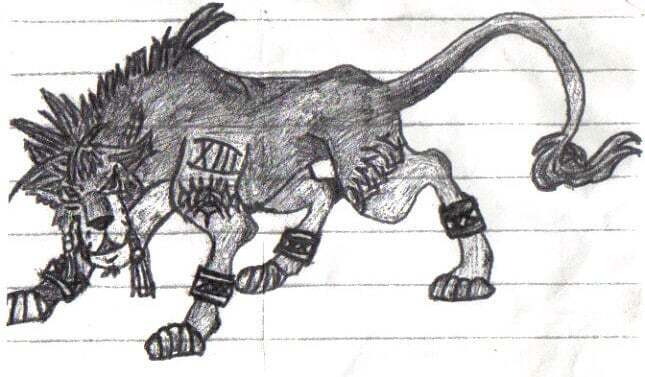
Nanaki / Red XIII from Final Fantasy VII. Hand drawing by Kyle James Lee.