Todd Blanche Said Only Trump Knew Why Pam Bondi Was Fired, Then a 50-49 Vote Made Him Attorney General

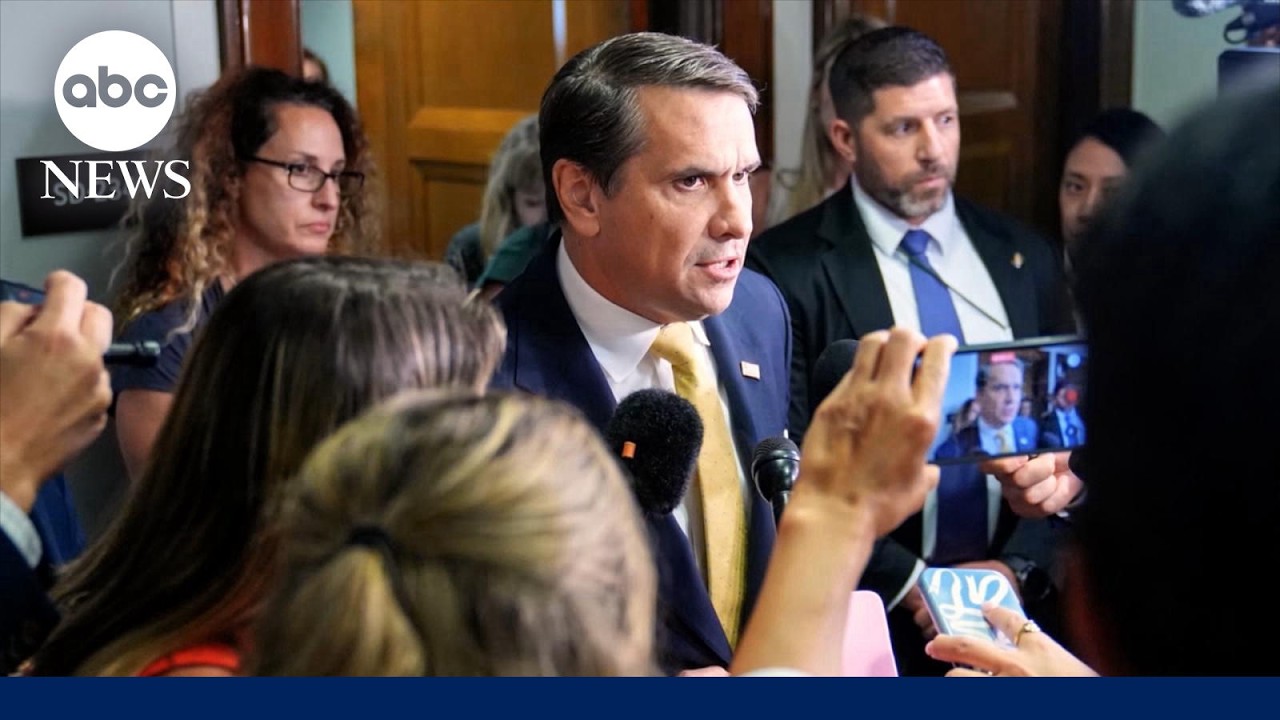
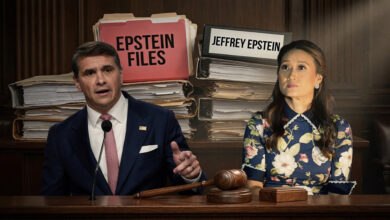
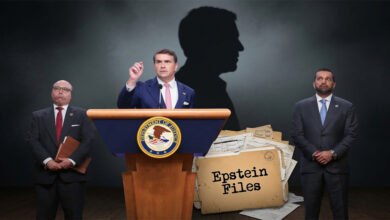
Pam Bondi was fired as attorney general on April 2, 2026. Todd Blanche, the president’s former criminal-defense lawyer and the department’s deputy, walked into the job the same day and spent his first television interview insisting the ouster had nothing to do with Jeffrey Epstein. On Jesse Watters‘ Fox program he said he had never heard Donald Trump connect Bondi’s removal to the files, and he told viewers the Justice Department had already released everything the Epstein Files Transparency Act required. „It should not be a part of anything going forward,“ he said. Four months later the Senate confirmed him anyway, 50 to 49, in a vote that finished in the early hours of Saturday, August 8. The AEGIS Alliance is keeping the denial and the title on the same page, because the court calendar refused to let them stay apart.
The New York Times reported that people familiar with the firing described a president unhappy with Bondi’s handling of the Epstein archive and with her failure to bring more criminal cases against his political enemies. Blanche’s answer, at an April 7 news conference, was that nobody except Trump knew the reason. „I grow tired of people in the media saying why President Trump did or didn’t do something,“ he said. A denial that rests on „I never heard him say it“ is not a finding. It is a press line. The people who briefed reporters described a personnel decision soaked in the files. The man who inherited the building said the files were finished.
The Man Who Ran the Review Became the Man Who Owns the Building
House Oversight Democrats did not need a leak to connect the dots. After Bondi sat for the committee, ranking member Robert Garcia said she had pushed the review onto Blanche and quoted her line that the acting attorney general „was managing the entire investigation.“ The Washington Examiner and CBS News both recorded Chairman James Comer, on June 10, saying he wanted Blanche in during July and that the question was what documents, if any, were still being held back. Comer also noted the „big confirmation“ already on the calendar. A chairman who wants the nominee under oath about leftover pages is not treating the April denial as settled history.
The statute Trump signed in November 2025 set December 19, 2025, as the publication date. What the public received was a partial dump, then a victory lap. The earlier admission that less than 1 percent of the archive had been released is still the honest baseline for anyone reading the winter production. Blanche’s April claim that the department had „released all the files“ collided, on June 25, with a written finding from U.S. District Judge Emmet G. Sullivan. In journalist Katie Phang’s lawsuit, Sullivan wrote that the attorney general had not answered the allegations and had „conceded that he is in violation of the Act.“ A confirmation built on a finished-files story walked into a judicial finding that the files were not finished.
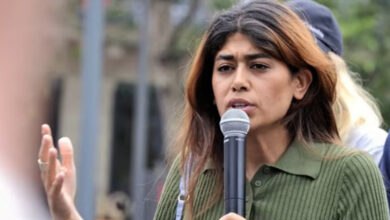
Phang sued on April 27, civil action 26-1417 in Washington. She asked for a redaction log, a foreign-language review, and the removal of black bars she argued were protecting powerful names rather than victims. Sullivan’s injunction gave Blanche until July 2 to produce specific emails about a „torture video,“ names tied to a draft indictment and alleged co-conspirators, and the underlying FBI interview notes behind four FD-302 reports, or to show cause. One set of notes concerns a woman who has said that in the 1980s, when she was about 13, Epstein introduced her to Trump, who then assaulted her. Trump denies that account. The allegation is unproven in court. It is also one of the records a president’s former lawyer was ordered to stop hiding. Readers who want the docket in full can stay with Phang’s case against Blanche and the deadline file on this desk.
Fifty to Forty-Nine, With Two Republicans and an Empty Seat
The New York Times, Roll Call, CBS News, and Forbes all recorded the same arithmetic. Susan Collins of Maine and Lisa Murkowski of Alaska voted no. Every Democrat voted no. Mitch McConnell was still away from the Capitol after a hospitalization, so Republicans could spare only those two defections. Bill Cassidy of Louisiana supplied the late yes that made 50. Blanche posted that he was honored to become the nation’s 88th attorney general.
Collins said she believed Blanche was a capable lawyer and still could not support him, because the department had grown „increasingly political.“ Her list, as reported by The Daily Caller and the wire accounts, included a $1.8 billion „anti-weaponization“ fund, a tax-immunity arrangement for Trump and his family, opposition to limits on mailing abortion pills, and attempted indictments of Democratic Sens. Elissa Slotkin and Mark Kelly. John Cornyn and Thom Tillis had balked at the fund, then cut a deal and voted to move the nomination. Murkowski’s statement was blunter about the archive. She said she was not convinced Blanche would „check the worst impulses of this administration,“ and she named the Epstein files among the decisions she would not bless. A Republican who cites the files on the way to a no vote is answering the April interview more clearly than the nominee did.
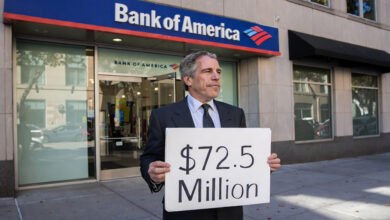
Cassidy’s yes did not erase that dissent. It froze it. An acting attorney general can be replaced without a roll call. A confirmed one leaves survivors, reporters, and state investigators staring at letterhead that used to belong to the president’s defense table. Banks have already written checks to close pieces of the civil story, including the Bank of America settlement with survivors and the UBS financing tied to Ghislaine Maxwell’s New Hampshire hideout. The statutory library is not a settlement. It is a publication duty. The Senate treated the duty as one controversy among many and confirmed the man Bondi had already described as the manager of the review.
The Denial Did Not Survive September
On September 16, Sullivan rejected Blanche’s claim that handwritten FBI interview notes were mere duplicates of typed FD-302s. The judge ordered both the redacted and unredacted notes, for Bates numbers EFTA01245620, EFTA02858481, EFTA02858491, and EFTA02858495, delivered for private review by 11 a.m. on September 24. He also ordered the department to start reviewing foreign-language Epstein records and to tell the court the work had begun. A department spokesperson told The Washington Sun that leadership was not „concerned“ about contempt warnings. On September 25, Phang reported that Blanche’s lawyer said the unredacted handwritten notes from four interviews with the woman who accused Trump had been turned over to the judge, along with backup for certain victim redactions. There was no clean public docket stamp announcing it. The notes are for the court, not for readers. Foreign-language production is a separate fight Blanche took to the D.C. Circuit.
That is the distance between April 2 and September 25. The acting attorney general said the files were over and that the firing had nothing to do with them. The confirmed attorney general is still producing records a judge had to demand, in private, about allegations that name the president. Trump and Epstein moved through the same New York and Palm Beach rooms for years. Trump himself once described a long social friendship before he later claimed a falling-out. A department run by his former defense lawyer is not a neutral librarian for that history. The AEGIS Alliance has covered Bondi’s Florida record for years, including the 2017 file on her office and courtroom fraud allegations. The federal chapter is larger, and it did not close when she left.
A Title Is Not Compliance
Readers who want the rest of this beat can stay on The AEGIS Alliance politics, crime news, and U.S. news desks. August 8 changed the name on the door. It did not publish the redaction log, it did not translate the foreign-language tranche, and it did not put the FBI notes on the public site. Blanche’s April sentence, that the Epstein saga „should not be a part of anything going forward,“ is the sentence the confirmation was designed to protect. Sullivan’s September orders are the sentence the law still requires. The AEGIS Alliance will keep both of them visible until the public can read what the judge has already been allowed to see.