Epstein Paid Christopher Anderson $20,000 for the Frames, Sent a Driver for the Drive, and a Backup Still Had Them


Christopher Anderson gik ind på 9 East 71st Street i 2015 uden at have lavet lektier. New York magasin fotoredigator Jody Quon havde tildelt ham at fotografere Jeffrey Epstein for en profil Michael Wolff skulle skrive. Anderson fortalte senere The Guardian at han ikke vidste hvem Epstein var. Han ofte sprang baggrunden læsning. Han kendte ikke til anklagen i Florida i 2008 eller til domfældelsen i Palm Beach County. "Jeg vidste, at han er en rig og magtfuld mand forbundet med rige og magtfulde mænd". Epstein krævede et møde først, "at suser mig ud", og at købe billederne. Prisen var 20.000 dollars. Bladet havde allerede ryddet en version af den aftale. Epstein ville ikke se rammerne før efter offentliggørelsen. Så døde historien, og aftalen blev et påskud for at tage rammen alligevel.
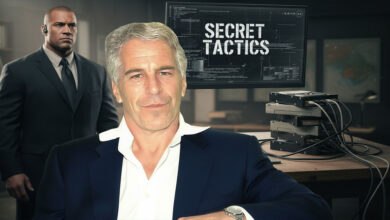
Den sekvens er den taktik, og den er mindre end mytologien, der senere indpakkede den. Epstein startede ikke med et break- in. Han startede med en check, en kontraktperiode og en sekretær. Da udtrykket holdt op med at virke, sendte han en mand. Anderson har beskrevet opfølgningen på samme måde i et Instagram indlæg, i sin bog Index, og i en April 2026 Guardian interview: trusler, derefter en bodyguard og chauffør navngivet Merwin, "meget stor med meget store, sorte læder- blå hænder", i en lang sort overfrakke. "Det var meget mafiaesque. Han sendte ham for at skræmme mig og sikre sig, at han fik harddisken". Anderson indløste checken. Merwin indsamlede drevet og, Anderson sagde, tjekkede for ekstra kopier. Kopierne var den del af planen, der mislykkedes.
A stuffed tiger, a massage table, and a printed email
Anderson har beskrevet byhuset som en fungerende fotograf, ikke som en anklager. Epstein, sagde han, var "noget af en foruroligende person", der "spillede med teater af intimidering" og ønskede en besøgende til at forstå, at han var en "du ikke ønsker at krydse". Værelserne havde, hvad Anderson kaldte en Donald Trumpesque dekorerende smag. En udstoppet tiger sad foran et skrivebord. En ung kvinde med østeuropæisk accent håndterede et massagebord, mens mødet fortsatte. En ramme, Anderson sagde, viser Epstein ser på kameraet "på en måde at lade mig vide, at han intimiderer mig. Det er ikke et berømt billede".
En anden ramme fanget papir på skrivebordet. En trykt e-mail, dateret i 2011, fra John O 'Sullivan, en tidligere assistent til Sarah Ferguson, til Amanda Thirsk, derefter privat sekretær til Andrew Mountbatten- Windsor, som stadig var Prins Andrew og hertug af York. Brevet presset for $59,933 i løn, reduceret fra $72,596, og nævnte en MBA på Columbia. Et svar tilskrevet "Hertugen" læses "er?". Fire år senere sad siden stadig ude i et hus, hvor fotografen var blevet hyret til at smigre. Epstein filer og senere rapportering, herunder The Mirror 's konto på samme side, siger den tidligere prins og Ferguson havde søgt hjælp betalende personale. Ferguson havde allerede indrømmet at tage penge fra Epstein før hans Florida dom, herunder £15.000 bundet til en tidligere medarbejder. En udskrift på et skrivebord er ikke en ny kriminel optælling. Det er en rekvisit Epstein var villig til at forlade i det åbne, mens han betalte for at sikre et kamera ikke forlade med noget andet.
Anderson har også sagt, at han fotograferede kaminen og ansigterne på den, navngive Woody Allen og Bill Clinton blandt billeder, han lavede, og tilføje, at han var sikker på, at andre havde været der, "inklusive Trump", på et tidspunkt hvor "ingen bekymrede sig om Donald Trump". Det er hans erindring af rammer, givet år senere til Vanity Fair, ikke en opladning udstilling. At være på en mantel i et 2015-portræt er ikke det samme som at være på en flylog. AEGIS Alliance har holdt disse kategorier adskilt i SDNY prosecutor’s letter on jet trips, which is a document, and in portraiture, which is a room. Anderson himself has drawn the same line. He saw a man performing power. He is not offering to file the case.
Lesley Groff’s inbox became the paper trail
Presset blev ikke i telefonen. E-mail mellem Anderson og Lesley Groff, Epstein 's mangeårige assistent, senere dukkede op i Justitsministeriets Epstein bibliotek, blandt de omkring 3,5 millioner sider bogført under Epstein skriver om gennemsigtighed. Tilbage-og-frem er den almindelige stemme af en rig mands kontor: planlægning, krav, fotografierne. Det ender, i Anderson fortæller, med Merwin ved studiedøren. En retstvist over et magasin er et lille objekt i det arkiv. Det er også en af de få objekter med en ren før-og-efter. Før: en kontrakt, der sagde, at billederne bor i magasinet indtil offentliggørelsen. Efter: magasinet dræber Wolff stykke, fotografen får at vide, at kontrakten ikke længere beskytter ham, og en mand i handsker forlader med drevet.
Groffs navn er det nyttige. Hun er den person, der forvandlede intimidering til korrespondance. Korrespondance er, hvad der overlever en død, et beslaglagt hus, og en statut. AEGIS Alliance dækkede produktionskampen, da afdelingen admitted in January 2026 that the first wave was less than 1 percent om, hvad det kaldte lydhør, derefter pegede på 3,5 millioner sider og kaldte statutten opfyldt. En fotograf skændes med en assistent om en harddisk er, hvordan den kamp ser ud på menneskelig skala. Hvis Epstein brugte $20.000 og en chauffør til at jage et magasin arkiv, staten brugte år på at beslutte, hvilke af hans resterende drev offentligheden kunne åbne. Journalist Katie Phang jakkesæt, dækket i Phang fil, exists because that second chase is still in court.
Why a portrait file is harder to kill than a private snap
Epstein 's sædvanlige metode mod billeder, som overlevende har beskrevet det, var penge, adgang, og en mand ved døren: telefoner taget, filer kræves, omdømme prissat. Banker senere betalt for at afslutte overlevende jakkesæt i stedet for at prøve disse fakta foran en jury, herunder Bank of America settlement En føderal dommer godkendt. En magasin fotograf sidder i en anden kasse. Ophavsretten er et arbejdsprodukt. Der er en redaktør, Jody Quon. Der er en forfatter, Michael Wolff, hvis værk aldrig løb. Der er en sikkerhedskopi emnet ikke kender til, fordi arbejdende fotografer holde sikkerhedskopier den måde andre mennesker holde hus nøgler.
Anderson troede, han havde afleveret de eneste kopier. Han fandt et andet sæt på en gammel harddisk i begyndelsen af januar 2026 og lagt det. Rammene gik ind i Index, udgivet af Stanley / Barker, en bog med tredive års arbejde, der også indeholder Haiti, Afghanistan, og Trump White House billeder, der sætter hans navn er i omløb i slutningen af 2025. Vanity Fair interviewede ham i maj 2026, på tærsklen til bogen, og han gentog Merwin historien på tryk: "Så truslerne startede". Værktøjskassen virkede længe nok til at dræbe en ny York magasin historie i 2015. Det virkede ikke for evigt, fordi en køretur i en skuffe ikke er en hemmelighed, hvis den person, der ejer det senere beslutter hemmeligheden er værre end truslen.
Readers should hold that failure next to the junk that also moved through the Epstein portal. Some objects were built to look official and were garbage, including a fabricated clip of a jail suicide attempt der dukkede op og derefter forsvandt. Andersons rammer er den anden kategori. De dokumenterer et ansigt og et hus i 2015, seks år efter en statsanklager og fire år før den føderale sexhandel arrestation. De tæller ikke alene. De tilføjer en metode: isolere billedet, købe det, true producenten, når købsbetingelserne kommer i vejen, erklære mødet over, sende en mand i handsker, og antage den negative Døde med drevet.
What the pictures still are not
De er ikke bevis for, hvem der var på en ø på en given nat. De er ikke en erstatning for flylogfiler, bankpapirer eller en 302. De er ikke en grund til at behandle alle, der nogensinde har stået i det hus som tiltalte. Anderson har været forsigtig, i The Guardian og i Vanity Fair, at adskille hvad han så fra hvad han kan opkræve. Han så et hus arrangeret omkring service og display. Han så en e-mail om royale lønninger udeladt som et trofæ. Han følte opfølgningen. Han ville ønske, han fortalte The Guardian, at han havde lavet flere billeder, mens han var derinde. "Jeg lavede et par billeder i hans hus. Jeg ville ønske, jeg havde gjort meget mere nu".
Det nyttige er lettere end billedkrigene. Epstein prøvede at fjerne 2015 fra bordet. Mødet er stadig på bordet, i en bog, i et magasin interview, og i en e-mail kæde med Lesley Groff, at justitsministeriet til sidst lagt. Sådan ser billedkontrol ud, når målet holder et andet drev. Mere af papiret omkring det bor i kriminalnyheder og U.S. news. The Guardian interview is hende.