Den whistleblowers gambit: hvordan en hemmelig klage antændte en forenede stater nedkæmpelse af Costa Rican korruption - og førte til gamboas udlevering


Haga clic aquí para la versión en español.
Opdatering (marts 2026): gamboa udleveret til de forenede stater
In a historic development, on March 20, 2026, Costa Rica extradited Celso Gamboa Sanchez to the United States — the country’s first-ever extradition of its own nationals. He was flown to Texas alongside alleged drug trafficker Edwin López Vega (“Pecho de Rata”) to face international drug-trafficking and conspiracy charges in the Eastern District of Texas. The handover followed a February 2026 appeals-court ruling upholding the extradition orders and written U.S. guarantees that, if convicted, the men would not receive sentences exceeding 50 years, with time already served in Costa Rican detention credited toward any term. Attorney General Carlo Díaz said the move sent a message that “no one can use our nationality to evade justice.” (Reuters, The Tico Times) Den oprindelige rapport følger nedenfor.
I dagene efter AEGIS Alliance udgivet denne video:
- Embedsmænd indrømmer, at Costa Rica er den største kokaindistributør i verden.
- Celso Gamboa Sanchez stjal udlændinges ejendomme, købte dommerkendelser, falske anklager mod udlændinge for at få dem bortvist fra landet og derefter stjæle deres ejendomme.
- Gamboa er ekspert i at stjæle ejendomme.
- Der blev vedtaget nye love i Costa Rica i juni 2025 for at tillade udlevering for alvorlige strafbare handlinger.
- Gamboa står over for udlevering til USA, og han er siden blevet udleveret for at blive retsforfulgt.
- Flere visa tilbagekaldt
- Mere
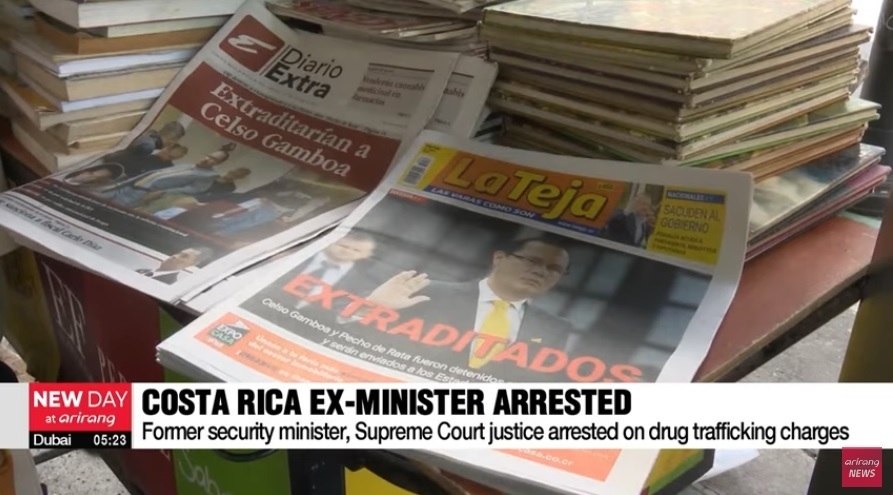
In late June 2025, the arrest of Celso Gamboa Sanchez, a former Costa Rican Supreme Court justice, ex-national security minister, and former prosecutor, sent shockwaves through the nation’s political and legal establishments. Accused of ties to drug trafficking, Gamboa was detained and faced the once-unthinkable prospect of extradition to the United States. While the news made international headlines, the true catalyst for this high-stakes takedown wasn’t a sprawling, multi-year investigation by a federal agency. It was the culmination of a relentless, clandestine campaign waged by an anonymous whistleblower, ignited by a single, strategically delivered complaint to the U.S. State Department.
This is the story of how one person’s determination to expose a web of corruption victimizing an American investor set in motion a chain of events that brought the full weight of the U.S. government to bear on Costa Rica. It’s a narrative of frustration, persistence, and a high-stakes gambit that finally paid off, leading to a dramatic shift in the fight against transnational crime and official complicity in the Central American nation.
Offeret og sammensværgelsen: et amerikansk mareridt i paradis
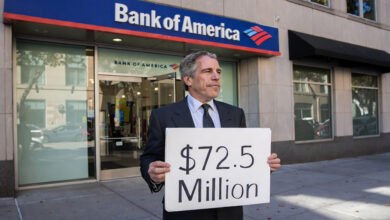
The saga begins not with secret government communiqués, but with the plight of Enzo Vincenzi, an American investor who found himself ensnared in what he has described as a sophisticated conspiracy. For years, Vincenzi’s story has been one of systematic persecution, financial ruin, and institutional betrayal, a cautionary tale for any foreigner looking to do business in a country whose idyllic image masks a darker reality.
According to extensive documentation, Vincenzi’s ordeal involved a complex web of alleged corruption implicating public attorneys, officials, and private citizens. His case, detailed in a series of exposés, paints a picture of a justice system weaponized against him. He faced fraudulent lawsuits, property theft, and threats, all while his attempts to seek redress through Costa Rican legal channels were allegedly stymied by corrupt actors. As one report and video from Organernes alliance med titlen "Costa Rica sammensværgelsen" skitser, indsatsen mod Vincenzi var designet til økonomisk og psykologisk bryde ham, men han stod stærk, og besluttede at stå over for uretfærdigheder begået mod ham.
Frustrationen var håndgribelig. Vincenzi endda tog det ekstraordinære skridt at tilbyde en $5.000 hver belønning for oplysninger, der fører til arrestation og domfældelse af de korrupte embedsmænd, han mente var ansvarlig for hans forfølgelse. Dette var ikke en handling fra en mand, der havde tillid til systemet; det var en foranstaltning beregnet til at formidle et stærkt budskab, født af års ubesvarede bønner om retfærdighed.

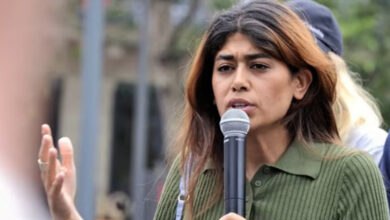
Watching this unfold was an individual who would become the whistleblower. This person methodically documented the injustices against Vincenzi, compiling evidence and crafting legal arguments. The whistleblower’s involvement went back to at least 2022, and in September 2024, the cloaked heroic figure had authored a detailed, 14-page criminal complaint dossier, complete with extensive photographic and video evidence, that eksponeret korruption nexus i hjertet af Vincenzis sag. Sagsmappen for offentligheden er 13 sider, mens versionen kun er beregnet for præsident Rodrigo Chaves og Costa Rica immigrationsafdeling er 14 sider. (Kriminel Dossier ZIP fil download her.) I over tre år, whistleblower skrev mange kriminelle klager for Vincenzi til at indgive i Costa Rica domstole, men de sygnede, tilsyneladende ignoreret af selve institutioner beregnet til at undersøge dem.
The sentiment of a lone individual fighting a seemingly insurmountable system was perfectly captured by a commenter on a YouTube video discussing U.S. extradition requests from Costa Rica: “What is incredible is that a civilian without a salary or institutional support has brought to light the negligence or possible complicity of so many people involved in drug distribution, both in the private and public sectors.” – @ antoniojimenez7106
This comment seemed to reflect American investor Enzo Vincenzi’s plight, however, it encapsulates the essence of the whistleblower’s long and often lonely battle, although, Vincenzi and the whistleblower were exposing corrupt public officials and attorneys, not drug traffickers specifically. With the Costa Rican system appearing impenetrable, a new strategy was needed. The fight had to be escalated to a higher power—the United States government.
Gambit: en tostrenget appel til Washington
Den whistleblower strategi flyttet fra at søge retfærdighed i Costa Rica til at kræve intervention udefra. Det drejede sig om en tofaset tilgang, der skulle udnytte den amerikanske regerings forpligtelse til at beskytte sine borgere i udlandet.
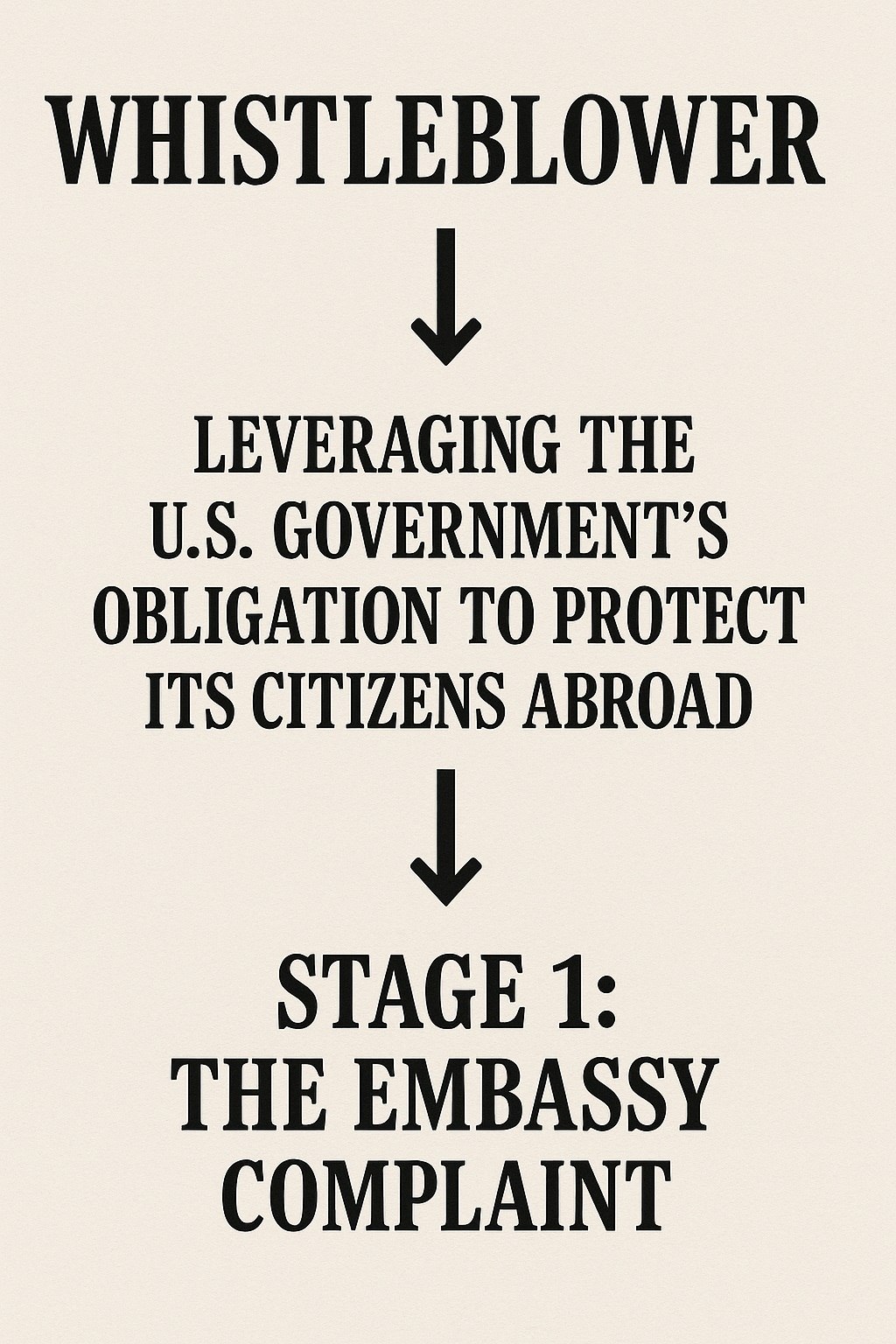
Første fase: ambassaden klage og bygning interesse
The first major move came in September 2024. Vincenzi, seeking help, visited the U.S. Embassy in San José, Costa Rica. His experience there, however, was allegedly one of neglect and dismissal, leaving him feeling abandoned by his own country. According to a formal complaint later written by the whistleblower, Vincenzi’s human rights were violated during this encounter, as embassy staff reportedly failed to provide the assistance and protection he was entitled to as an American citizen in peril.
This incident became the basis of a formal complaint sent to the U.S. State Department. But the whistleblower was playing a longer game. The complaint wasn’t just sent to the incumbent administration; copies were also directed to key figures in the presidential campaign of former and current U.S. presdent as of 2025, Donald J. Trump. This was a strategic hedge, ensuring that no matter the outcome of the 2024 election, the information would be in the hands of people with influence. While this letter didn’t trigger an immediate, overt response, it successfully placed Vincenzi’s case—and the broader issue of Costa Rican corruption affecting Americans—on the radar of incoming U.S. officials. It laid the groundwork and built crucial interest.
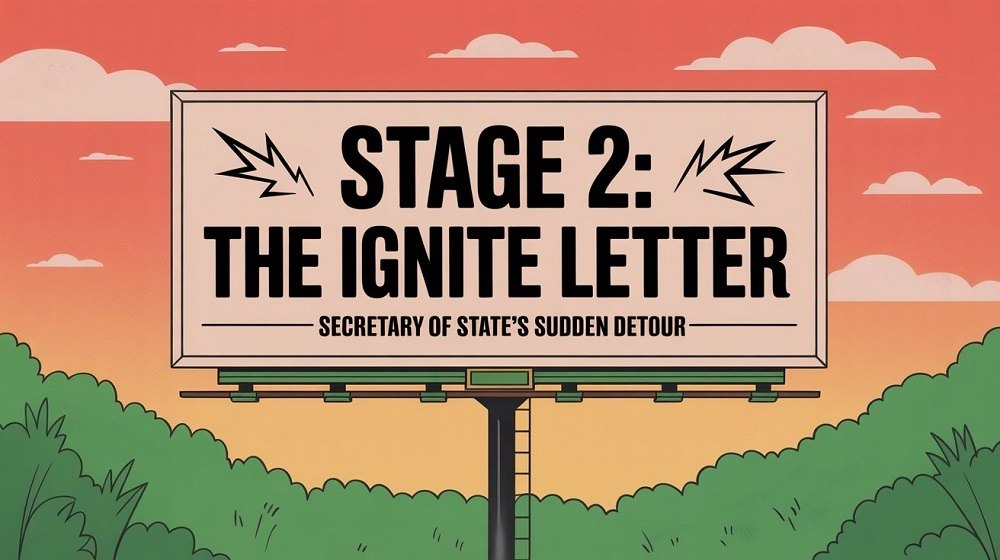
Anden fase: det "antændte brev" og en sekretærs pludselige omvej
Med en ny administration på plads i 2025 så whistlebloweren en ny mulighed. I begyndelsen af januar 2025, en anden, mere pegede formel klage blev skrevet og afsluttet, then dispatched to the State Department, now under the leadership of Secretary of State Marco Rubio. This, the whistleblower later clarified, was the “ignite letter”—the one that tipped the scales. Also at around the same time, Mr. Vincenzi was brutally assaulted by an alleged attacker, corrupt public attorney Yorleni Diaz’s son. (Zip-fil download her.)
Virkningen var næsten øjeblikkelig og meget synlig. Minister Rubio havde en planlagt diplomatisk rejse til Mellemamerika, med planlagte stop, der omfattede Panama og El Salvador. Pludselig ændrede hans rejseplan sig. Et yderligere stop blev tilføjetSan José, Costa Rica. For nære observatører var denne uplanlagte omvej et klart signal. En klage fra en anonym kilde om situationen for en enkelt amerikansk investor var tilsyneladende blevet ophøjet til et spørgsmål af amerikansk national interesse, overbevisende et besøg fra en af nationens top diplomater. (Januar 2025 klage kan ses HER.)
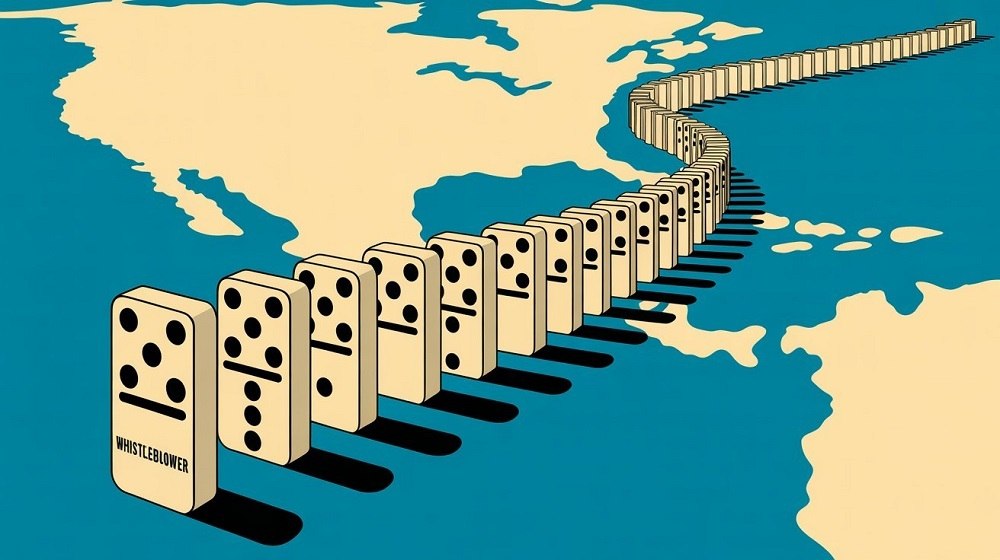
Dominoer falder: de forenede stater reaktion sluppet løs
Secretary Rubio’s visit in early February 2025 was not merely a diplomatic courtesy. It was the harbinger of an unprecedented U.S. crackdown. In the months that followed, the promises of intervention became a reality as a formidable contingent of U.S. agencies descended upon Costa Rica. The Department of Homeland Security (DHS), the Drug Enforcement Administration (DEA), the Federal Bureau of Investigation (FBI), and even elements of the U.S. military arrived to carry out official duties. The message was unmistakable: the United States was no longer willing to tolerate a system where its citizens could be victimized and where transnational criminal organizations could operate with impunity, allegedly enabled by corrupt local officials.
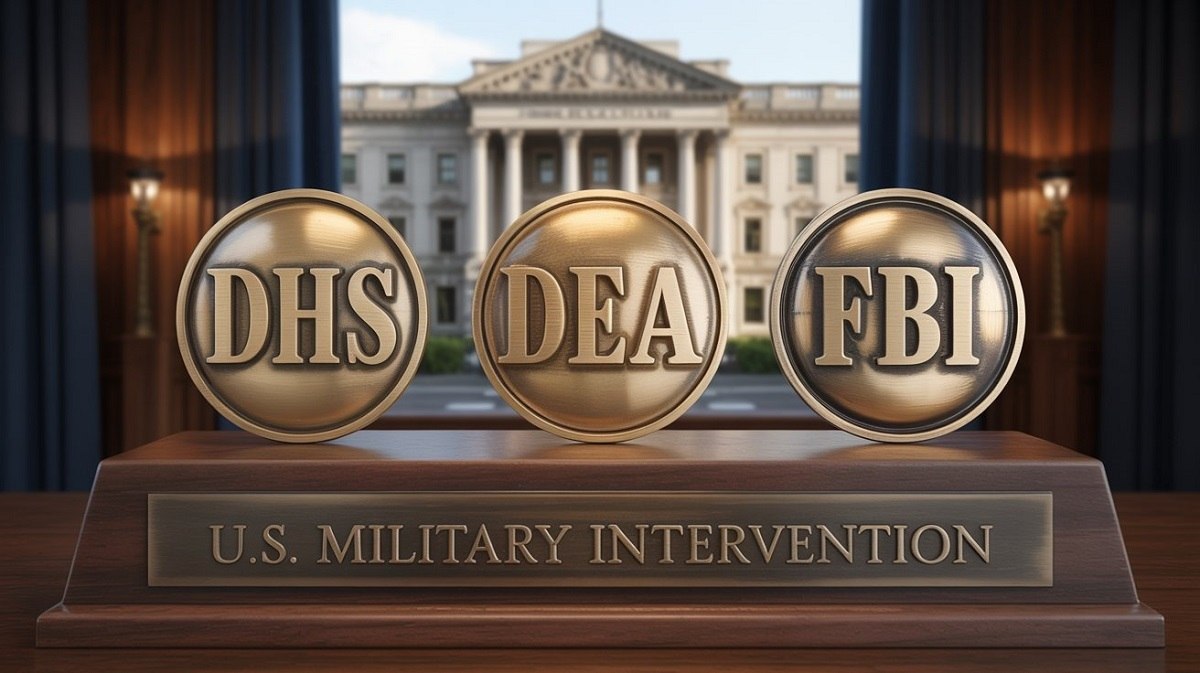
The pressure mounted. The presence of U.S. law enforcement and intelligence agencies created a new political reality in Costa Rica. This pressure was instrumental in a landmark legislative change. In early June 2025, Costa Rica’s legislature passed a new law reforming Article 67 of the Law on Narcotics, Psychotropic Substances, and Related Crimes. As reported by The Tico Times, this reform opened the door for the extradition of Costa Rican nationals for drug trafficking offenses, a practice previously barred by the country’s constitution. While the law has its limitations and doesn’t cover all crimes, it was a seismic shift specifically designed to target the high-level narcotraffickers and their collaborators who had long felt untouchable.
The whistleblower had told Vincenzi just days before the law passed that more crimes continue to be committed against Mr. Vincenci, that there hasn’t been any more movement with the complaints in the courts. Not long after that, Costa Rica passed the law in early June to make criminals able to be extradited to face trial and consequences in other countries, including drug traffickers and corrupt Costa Rican officials who are able to be extradited to the U.S. to face trial. The whistleblower had gone through three years of knowing of the crimes that continued to be committed against Mr. Enzo Vincenzi before action was finally taken and they finally saw light shine through during their mission.
Den nye lov skulle ikke vente længe på at blive testet.
Få uger senere, i slutningen af juni 2025, arresterede myndighederne Celso Gamboa Sanchez. Ifølge en rapport fra Reuters, Costa Rica’s Judicial Investigation Police (OIJ) confirmed that Gamboa was detained on drug trafficking charges following a U.S. extradition request. The arrest was a stunning development, targeting a figure who had occupied the highest echelons of the country’s justice and security apparatus. As detailed in the update at the top of this article, Gamboa was ultimately extradited to the United States on March 20, 2026.
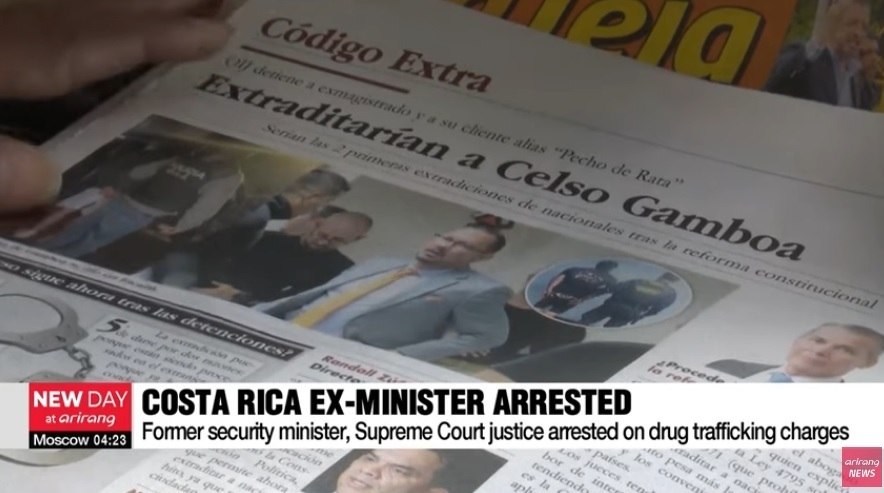
For the whistleblower and Enzo Vincenzi, it was a moment of profound vindication. Just two days before Gamboa’s arrest, the two had been on a phone call, expressing mutual uncertainty about whether their years of effort would ever bear fruit. Vincenzi had high hopes, but after so many setbacks, doubt lingered. Two days later, the news broke. The arrest was tangible proof that their campaign had succeeded. The abstract pressure applied by the complaint letter had materialized into concrete law enforcement action against one of the most powerful figures in the country.
Et glimt af retfærdighed og en spirende alliance
The impact continues to reverberate. In the wake of Gamboa’s arrest and the clear signal of U.S. involvement, other wheels of justice began to turn. The Costa Rican witness protection department, which had previously been unresponsive, finally agreed to move forward with Enzo Vincenzi’s case—a decision undoubtedly made under the immense pressure of the new political climate.
Whistleblowers handlinger har også fremmet nye alliancer. I en nylig Signal samtale med en person, der udfører omfattende undercover undersøgelser i Costa Rica, tyngdekraften og sammenkobling af deres arbejde blev klart.
"Presset er, hvad vi får", skrev efterforskeren. "Jeg vil blive investeret og dele alt. Vores sager er tæt forbundet. Jeg stoler på dig, hvis du stoler på mig".
"Ja, lad os fortsætte med at opbygge vores tillid med hinanden", fløjteblæseren svarede.
Whistleblower ønsker, at det skal være kendt, at "uanset mine uoverensstemmelser med enhver nuværende eller tidligere regering i USA, jeg gjorde det for vores land".
Denne udveksling fremhæver den nye virkelighed på stedet: en koalition af enkeltpersoner, både i og uden for systemet, der arbejder sammen mod en fælles korrupt fjende, der er præget af den viden, at de nu har opbakning fra den amerikanske regering.
The story of the whistleblower’s gambit is a powerful testament to the impact one determined individual can have. For years, Enzo Vincenzi’s case was a symbol of systemic failure. Today, it stands as a symbol of a new precedent. The arrest and subsequent extradition of Celso Gamboa and the ongoing U.S. presence in Costa Rica demonstrate that a well-documented, strategically delivered complaint can indeed pierce the veil of sovereign impunity, especially when the rights of American citizens are at stake. The fight is far from over, but for the first time in a long time, for victims of corruption in Costa Rica, there is a tangible reason for hope. A secret complaint has ignited a fire, and the world is now watching to see what—and who—it consumes next.
Opdatering (forår 2026): gamboa står over for de forenede staters domstole i texas
Following his historic March 20, 2026 extradition, Celso Gamboa Sánchez landed in the United States to confront the charges waiting for him. According to the U.S. Department of Justice, Gamboa and his co-defendant, Edwin Danney López Vega (“Pecho de Rata”), were scheduled for their initial appearances in federal court in the Eastern District of Texas on March 24, 2026 — the standard first step in which defendants are formally advised of the charges, enter pleas, and receive a pretrial schedule, with detention or bond decisions to follow. (De Forenede Staters justitsministerium)
Court records lay out the timeline behind the takedown. Gamboa was named in a federal indictment returned by a grand jury on July 9, 2025, charging him with conspiring with other international drug traffickers to manufacture, distribute, and transport large quantities of cocaine — much of it allegedly routed through Costa Rica and into the United States for further distribution. López Vega had been charged separately on June 11, 2025, in a two-count indictment alleging a cocaine-trafficking conspiracy dating back to 2008 that spanned Colombia, Panama, Costa Rica, Guatemala, and Mexico. Federal prosecutors allege that, before his arrest, Gamboa had become a major trafficker who leveraged his government connections to help move tens of millions of dollars’ worth of cocaine from Colombia through Costa Rica to the United States and Europe. (Fbi / doj, den østlige del af texas)
The Justice Department described the prosecutions as part of “Operation Take Back America,” a nationwide initiative coordinated through its Organized Crime Drug Enforcement Task Forces (OCDETF) and Project Safe Neighborhoods (PSN), with investigative work led by the DEA’s Dallas Field Division and San José Country Office alongside the FBI. If convicted, Gamboa and López Vega each face a minimum of ten years and a maximum of life in federal prison, though under the written guarantees the United States provided to secure the extradition, neither man may receive a sentence exceeding 50 years, and time already served in Costa Rican preventive detention is to be credited toward any term.
Notably, not every requested handover survived appeal. While the San José Criminal Court of Appeal upheld the extraditions of Gamboa and López Vega — finding their alleged conduct “continuous or permanent” and therefore extending past the May 2025 constitutional reform — it revoked the extradition of a third suspect, Jonathan Álvarez Alfaro (alias “Gato” or “Profe”), concluding that his alleged money-laundering activity occurred entirely before the reform took effect. (The Tico Times)
As with any criminal case, the indictments are allegations only, and Gamboa, López Vega, and any others named remain presumed innocent unless and until proven guilty in court. For a whistleblower and an American investor who spent years documenting a system that seemed untouchable, however, the sight of a former Supreme Court magistrate and security minister standing before a U.S. federal judge marks a milestone few believed possible when this story began.
Opdatering (juni 2026): hvor sagen står
Court and Justice Department records identify the two extradited defendants as Celso Manuel Gamboa Sánchez, 49 — a former Costa Rican Minister of Public Security (2014) and judge (2016–2018) — and Edwin Danney López Vega, 49, the accused trafficker known as “Pecho de Rata.” Their June 23, 2025 arrests in Costa Rica were carried out on a provisional warrant tied to the international drug-trafficking charges against Gamboa in the Eastern District of Texas, and both men remained jailed in Costa Rica throughout the extradition fight before being flown to the United States on March 20, 2026. (De Forenede Staters justitsministerium)
As of mid-June 2026, the prosecution is in its pretrial phase. In a federal case of this kind, the initial appearance is followed by a detention hearing — in which a magistrate judge decides, under the Bail Reform Act, whether a defendant is held or released pending trial — and an arraignment at which the formal charges are read and a plea is entered, after which the case moves into discovery, motions, and possible plea negotiations that can stretch over many months. No public verdict or plea agreement has been reported in either man’s case, and both are presumed innocent unless and until proven guilty.
On the Costa Rican side, officials have signaled that Gamboa and López Vega may not be the last. Reporting around the extradition noted additional U.S. requests for the handover of other Costa Rican nationals allegedly linked to transnational trafficking networks, underscoring that the precedent set by the 2025 constitutional reform — and pushed into reality by the pressure this story chronicles — continues to widen. For Enzo Vincenzi and the whistleblower, the case remains a live one, and they have indicated their broader documentation of corruption tied to his ordeal is ongoing.
Opdatering: Texas Docket efter june 2026 checkpoint
Forbundslov i United States v. Gamboa Sanchez, No. 4:25-cr-00142 (E.D. Tex.), show the case is still active. After the March 24, 2026 initial appearance in Tyler, Magistrate Judge Bill Davis detained Celso Manuel Gamboa Sánchez; he waived a detention hearing and remains in custody. Judge J. Campbell Barker first set a pretrial conference for May 27, 2026, and jury selection for June 1, 2026. The government objected to that trial setting. Continuances followed on April 27, May 6, and again on September 1, 2026. No public guilty plea or verdict has been entered. The July 9, 2025 indictment still charges international cocaine trafficking. Those charges are allegations. Gamboa and co-defendant Edwin Danney López Vega remain presumed innocent unless a jury or a plea says otherwise. (CourtListener docket, USA 's advokat, det østlige distrikt af texas)
Whistleblowers oprindelige video står øverst på rapporten.
Forbundsrettens sagsakter efter overdragelsen
Det østlige distrikt i Texas sagen er United States v. Gamboa Sanchez, 4:25-cr-00142, assigned to Judge J. Campbell Barker and referred to Magistrate Judge John D. Love. U.S. Attorney Jay R. Combs’ office said Gamboa and Lopez-Vega were the first Costa Rican nationals extradited after the May 2025 constitutional change that allowed nationals to be sent abroad on drug-trafficking charges. The July 9, 2025 indictment accuses Gamboa of conspiring to manufacture, distribute, and transport large quantities of cocaine through Costa Rica toward the United States. Lopez-Vega was charged separately on June 11, 2025, in a conspiracy that prosecutors say moved cocaine through Colombia, Panama, Costa Rica, Guatemala, and Mexico.
Both men made initial appearances in East Texas on March 24, 2026. Docket activity continued into May 2026. The charges remain allegations in the Texas courtroom until a jury or a plea resolves them. The Justice Department’s March 23, 2026 release is the cleanest public statement of the U.S. theory of the case (Usao østlige distrikt af texas). FBI Dallas og DEA Dallas er opført som de fælles efterforskningskontorer.
None of that federal caption decides Enzo Vincenzi’s separate civil and criminal complaints in Costa Rica. It does confirm that the extradition law the whistleblower watched get written in 2025 was not a press-release statue. Costa Rica used it. The United States booked the first two men it asked for. Related files on this desk: North Fort Myers, Florida mand hævder voldelige falske arrestation og fængsling: sagen om Enzo Vincenzi, En korruption nexus afsløret: forenede stater investors søgen efter retfærdighed i Costa Rica, og Costa Rica sammensværgelsen: opløse nettet af korruption og bedrag - en advarsel til amerikanske investorer.