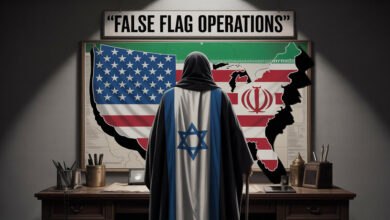
Trump afviste Irans syvdages hormuz tilbud, og israels krige havde aldrig brug for et falsk angreb på amerikansk jord.

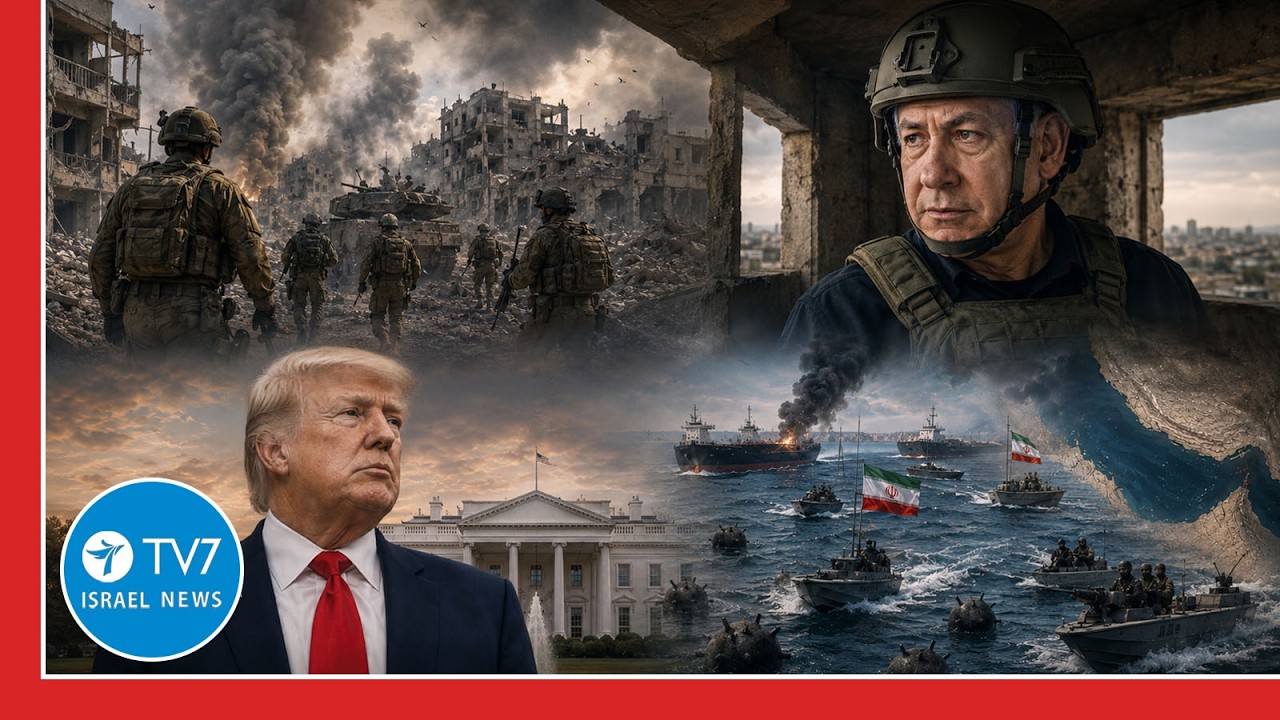
Israel did not need a staged attack on an American street. It needed a prime minister willing to start the war and a White House willing to follow. On September 26, 2026, President Donald Trump told reporters on the White House lawn that he had rejected Iran’s latest offer to reopen the Strait of Hormuz. “I reject their proposal,” he said. “I rejected their deal.” He added that Tehran wanted the waterway open immediately “because they’re losing so badly,” and that “we’re winning tremendously.” The sentence was bragging. The history under it is simpler than any false-flag cartoon. The bombs were real, they were announced, and they did not require a forged Iranian fingerprint on United States soil.
Reuters og New York tider described the offer Trump waved off. Iran’s foreign minister, Abbas Araghchi, had spent the week of the United Nations General Assembly saying Qatar had carried a seven-day plan to Washington. If the United States accepted, the clock would start the next day. Fighting would stop on every front, including Lebanon, where Israel has been striking and occupying territory. Washington would lift its naval blockade of Iranian ports, waive oil sanctions, and release frozen Iranian assets that Araghchi and U.S. reporting put at at least $12 billion. On the seventh day the strait would reopen. Nuclear talks would start after that, not before. Araghchi said the sequence echoed the June 17, 2026, memorandum that briefly eased the war and then broke.
Det var selve krigen.
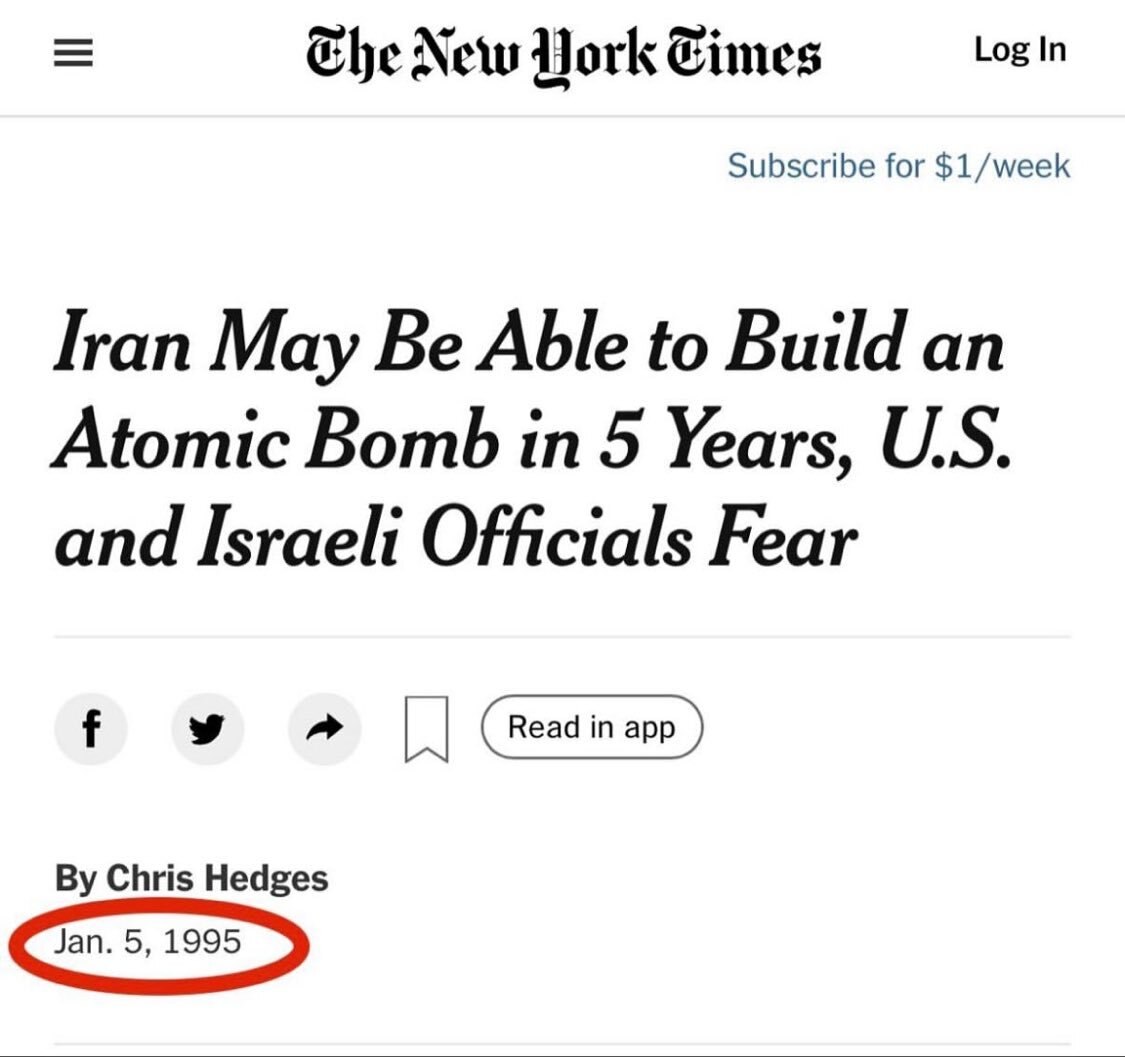
For two years before the first missiles, a slice of the press warned that Israel would manufacture an excuse to drag Washington into a fight with Tehran. The operational version was never a planted bomb in an American city. It was a briefing. Start the shooting. Hand the White House a slide that says the Iranian bomb is weeks away. Watch the bombers leave Missouri. Benjamin Netanyahu has been selling that slide since the 1990s. A New York Times clip from 1995 already had American and Israeli officials worrying, in public, that Iran might be a handful of years from a weapon. The calendar reset every few years. The International Atomic Energy Agency never confirmed the active weapons program the briefings required.

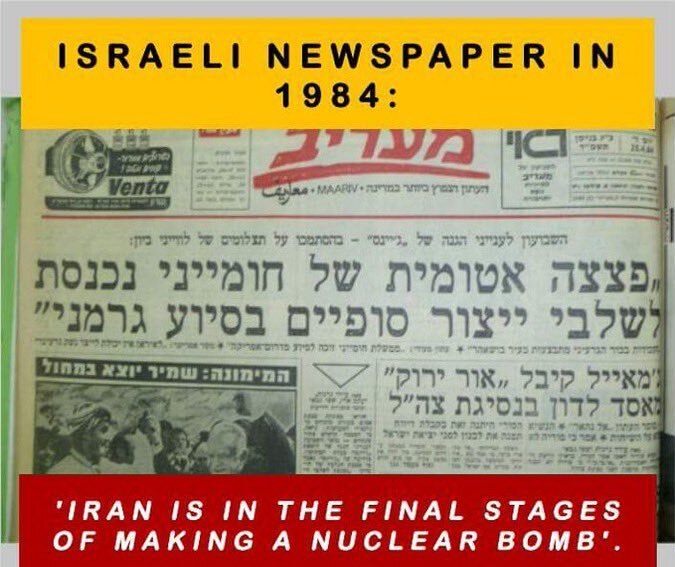
I en israelsk avis i 1984 var der en overskrift om, at Iran befinder sig i "sidste fase" af udviklingen af en atombombe. Jeg brugte AI til at oversætte billedet og som det viser sig, det er sandt, avisen skrev om aktuelle begivenheder på det tidspunkt.
Israel opened the shooting on June 13, 2025, under the name Operation Rising Lion: nuclear sites at Fordow, Natanz, and Isfahan, missile infrastructure, commanders, and scientists. Iran fired back. Nine days later the United States flew Operation Midnight Hammer and dropped bunker-busters. A ceasefire on June 24 ended what Washington called the Twelve-Day War. It did not end the project. A larger campaign began on February 28, 2026. Israeli and American forces killed Supreme Leader Ayatollah Ali Khamenei along with senior military commanders. The Assembly of Experts later named Mojtaba Khamenei as successor. United Nations Secretary-General António Guterres condemned the strikes. Legal scholars called the American attacks a violation of Iranian sovereignty. A leaked U.S. defense assessment after the June 2025 strikes described a nuclear program set back by months, not erased. Netanyahu kept the talking point anyway.
That is the opposite of a false flag. A false flag hides the hand. This war published the hand, then asked Americans to clap for it. Trump branded the second campaign, talked about regime change, and by September 7, 2026, Netanyahu was telling his cabinet that Israel was “determined to complete the mission of toppling the regime,” with Knesset elections set for October 27. Regime change is not self-defense. It is the policy the bomb story was built to sell.
Gaza og Libanon er de vilkår, Washington ikke vil sige højt
Araghchis syvdagspapir bad om en pause "på alle fronter", og de fronter, der stikker er dem, Israel nægter at forlade. Israels kampagne i Gaza er et folkemord: massedrab, sult som metode og angreb på hjælpesteder, som dette skrivebord allerede har dokumenteret, herunder Skyderi nær en fødeplads, der dræbte mere end 30 palæstinensere og sårede omkring 200.og De Forenede Nationers beskrivelse af katastrofale forhold Selv når lastbiler bevægede sig. Israelske enheder er blevet bundet til grove krænkelser af menneskerettighederne i de besatte områder. Mordene holdt ikke pause for Hormuz diplomati. Qatar, Egypt, og Jordan har fordømt israeli våbenhvile overtrædelser i Gaza i samme sæson anmodede Washington disse regeringer om at sende meddelelser til Teheran.
I Lebanon har israeli taktik været i forhold til folkedrabet i Gaza. The seven-day proposal reportedly included a halt that would cover Hezbollah and, in some accounts, Yemen. That is why the paper was dead on arrival even before Trump performed the rejection. A deal that reopens an oil lane while Israel keeps bombing Lebanese towns and starving Gaza is not a peace plan. It is a request that the region absorb the genocide quietly so tankers can move. The drab på palæstinensiske atleter og begravelse af almindelige ambitioner er den samme politik i en anden uniform. Hormuz er fakturaen. Gaza er den krig, Israel faktisk foretrækker at afslutte.
En strait omdøbt på et socialt netværk er ikke en juridisk titel
By late summer 2026 the fight had settled onto the water. Iran tied passage through Hormuz to American compliance with the June memorandum. The United States said it had “total control,” redirected commercial ships, and struck missile, drone, and radar sites when tankers were hit. Traffic fell far below the pre-war baseline of more than 130 vessels a day. On September 8, U.S. Central Command said American forces destroyed five Iranian crude carriers. On September 13 a commercial vessel was struck near Hengam Island; one seafarer, Jamshid Rajabi, was killed. Oman postponed a Gulf ministerial rather than force the argument into one room.
Trump’s answer on the night of September 25 was a Truth Social graphic that relabeled the water “Trump Strait.” The next morning he rejected the seven-day clock in person, then left for Tennessee. The Wall Street Journal, citing unnamed U.S. officials, reported he had told aides to expect a renewed bombing campaign after the November midterm elections. He declined, in the Times account, to confirm that timing, and said he still liked making deals. Iran’s president, Masoud Pezeshkian, told Al Jazeera he no longer trusted talks that were followed by attacks and sanctions. Araghchi said Tehran was still waiting for mediators to deliver Washington’s “official” no, as if a lawn remark might be walked back by Qatar. Armed-forces spokesman Sardar Shekarchi said the United States would be “slapped” if it intervened in the strait. None of that is a ceasefire. It is a negotiation conducted with shipwrecks.
Both governments lie when a lie is useful. In early July 2026 Iranian state television claimed a foreign ship had been punished for defying the Revolutionary Guard. Tracking data tied the vessel to interests connected to Tehran, and the Associated Press knocked the story down. Trump’s “total control” line fails the same test when trackers show a thin trickle of commodity ships. The difference is whose lie starts the war. Israel’s lie is the eternal imminent bomb, used to justify assassinations, reactor strikes, and a demand that Washington finish a regime-change campaign. Iran’s lies are real. They are not why Gaza is being destroyed, and they are not why American pilots flew into Iranian airspace.
Hvad en afvist uge faktisk beskytter
A seven-day pause would not have fed Gaza or crowned a new government in Tehran. It would have tested whether Washington can let the shooting stop before the victory speech. Trump chose the speech. Netanyahu’s line about toppling the regime chose the same thing. The IAEA still has not handed either of them the weapon they describe. A damage assessment measured in months, not obliteration, is an argument for talks. It is being used as an argument for another round.
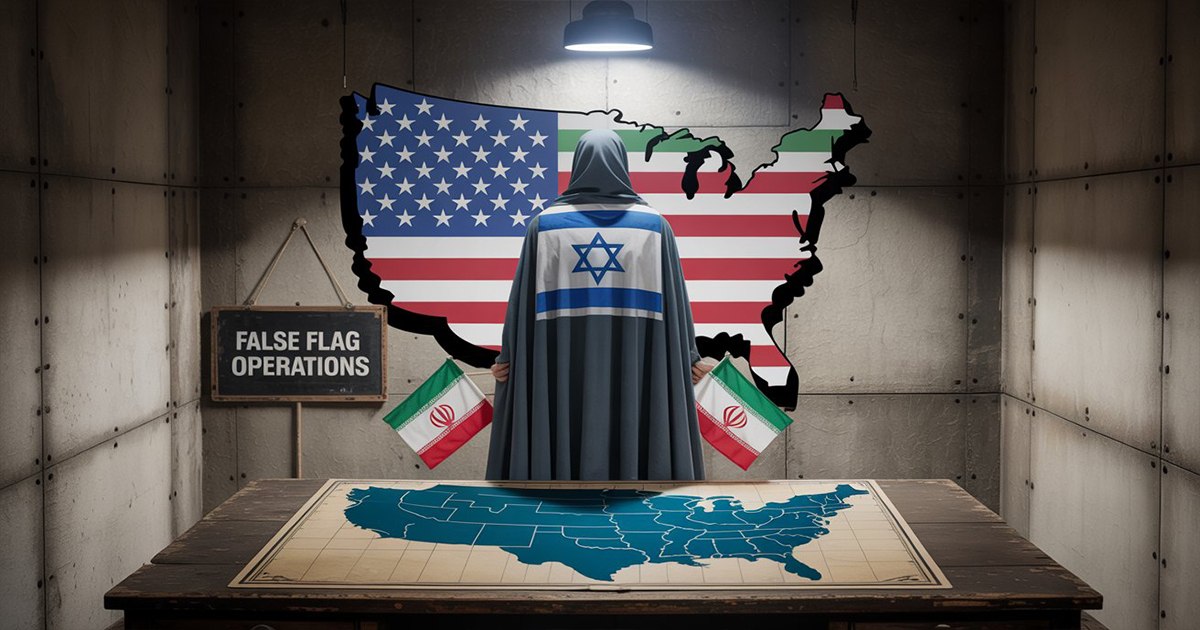
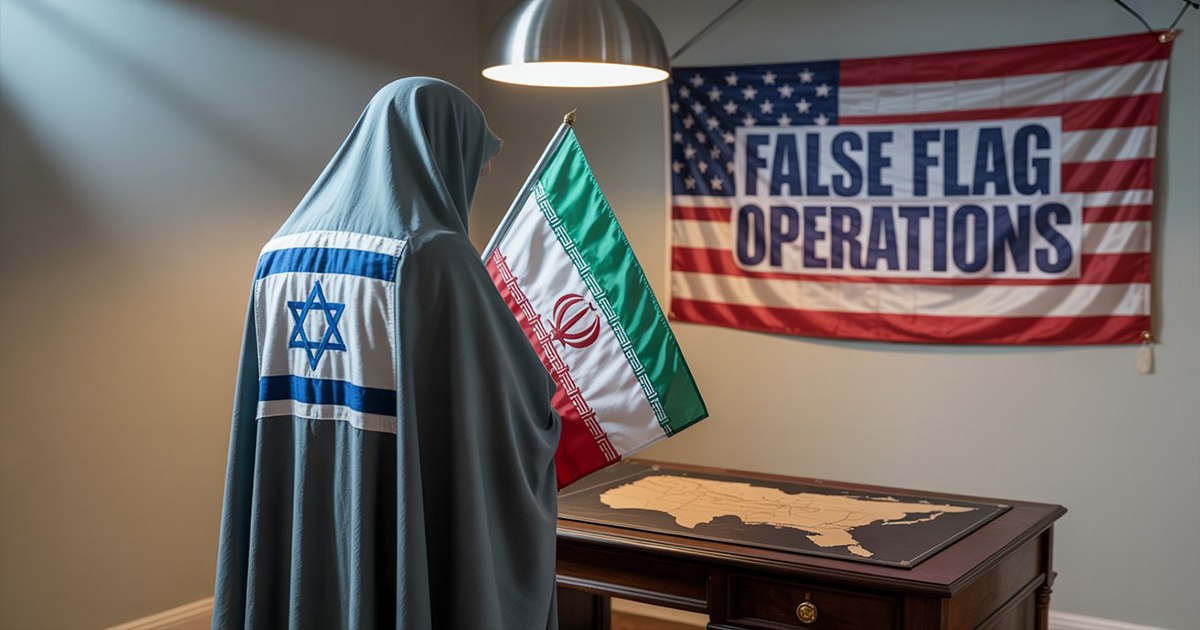
Følgende læsere internationale nyheder og politik på dette websted bør trække tegneserien, hvor et falsk iransk angreb på Kansas er udløseren. Aftrækkeren skete allerede offentligt to gange, og den tredje runde er planlagt omkring et amerikansk valg. Irans udenrigsminister har også beskyldt Mossad for at vække uro i hjemmet, en anklage indberettes her i januar og svarede aldrig med beviser Israel var villig til at teste offentligt. Dækhandling, krig og folkedrab på samme tid kræver ikke et falsk flag. De kræver allierede, der behandler israelske mål som amerikansk strategi.
The AEGIS Alliance will keep calling the Gaza campaign what it is. A rejected Hormuz timetable does not make the strait American property, and a map with a president’s name on it does not make a blockade legal. The families waiting on tankers, the sailors killed off Qeshm, and the Palestinians buried while diplomats argue about uranium are living in the same war. Israel opened it. Washington joined it. On September 26, the president of the United States looked at a one-week chance to stop shooting and said no, because he liked the way winning sounded.