Wisconsin dommer domme handel overlevende Chrystul Kizer til 11 år for 2018 drab af Randall Volar

KENOSHA, Wisconsin — On August 19, 2024, Kenosha County Circuit Judge David Wilk sentenced Chrystul Kizer, then 24, to 11 years in prison and five years of extended supervision. Kizer had pleaded guilty in May 2024 to second-degree reckless homicide in the 2018 death of 34-year-old Randall Volar III. The charge carries up to 25 years. The plea avoided a trial on first-degree intentional homicide, which in Wisconsin carries a mandatory life sentence. She received credit for 570 days already spent in jail. Because the judge did not make her eligible for early-release programs, the Wisconsin State Public Defender’s Office has said she is expected to leave prison in 2033. She must also submit a DNA sample and attend a restitution hearing. The Associated Press-konto for dommen matcher sagsakterne fra AEGIS Alliance. Hun er på Taycheedah Correctional Institution.
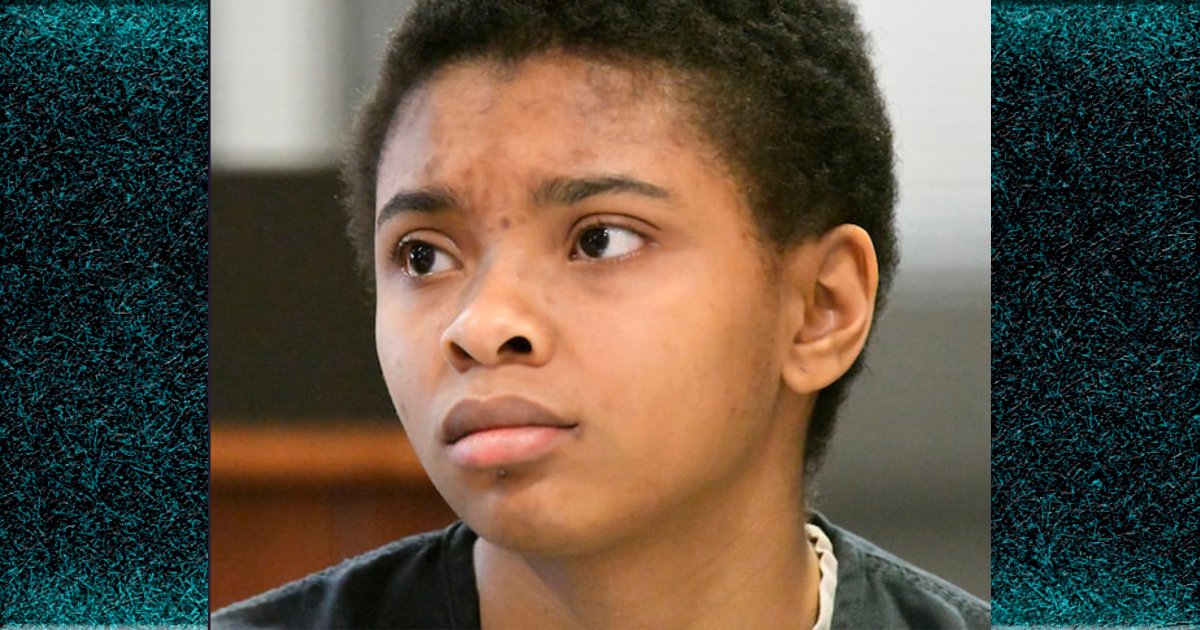
Kizer was 17 in 2018 when, according to prosecutors, she shot Volar at his Kenosha home, set the house on fire, and left in his BMW. Wisconsin charges 17-year-olds as adults. She was originally charged with first-degree intentional homicide, arson, vehicle theft, and being a felon in possession of a firearm. Kizer has said she met Volar when she was 16 and that he abused and trafficked her; she told detectives she shot him after he tried to assault her. Investigators later determined Volar had been abusing multiple underage girls and had recorded some of the abuse. Kenosha police arrested and charged him in February 2018. He was released without bail. The prosecutor’s office has said it was still building a case when he was killed.
That sequence — a charged adult walking free while a teenage victim later faced homicide charges — drove the public campaign around the file. More than 1.5 million people signed a petition asking that the charges against Kizer be dropped. Her bail started at $1 million, dropped to $400,000 in 2020, and was paid by community bond funds after nearly two years in custody. Bail was later revoked. She was taken back into custody in February 2024 after she left Wisconsin following a January 2024 disorderly-conduct charge. The AEGIS Alliance has covered how institutions treat trafficking defendants in other cases, including the FBI-efterforskning efter Jeffrey Epsteins død. og beslægtede kriminalitet rapportering.
En 2008 lov, en 2022 Højesteret dom, og et anbringende, der aldrig har brugt dem
In 2022 the Wisconsin Supreme Court held that Kizer could invoke a 2008 state statute, signed by then-Governor Jim Doyle, that gives trafficking victims an affirmative defense for offenses committed as a “direct result” of being trafficked. The ruling did not dismiss the homicide case. It said a jury could hear the defense. Prosecutors would still have had to prove the shooting, and jurors would still have had to decide whether the trafficking link was close enough. By pleading guilty to reckless homicide, Kizer did not put that defense in front of twelve people. At sentencing, prosecutors argued the shooting was planned. Defense lawyers asked the court to weigh the trauma she had documented. Kizer quoted scripture and said she understood she had caused the Volar family pain.
Judge Wilk said her history with Volar was known to the court but “you are not permitted to be the instrument of his reckoning.” Survivor advocates said the sentence would chill other people still trapped in exploitation. A USA Today column called 11 years extreme given the documented abuse. Wilk’s bench is not a column. Wisconsin’s homicide statutes do not contain an exception that says a victim of trafficking may kill the trafficker and walk. The 2008 law is an affirmative defense, not a pardon. Kizer’s lawyers won the right to argue it. They then traded that right for a number that was not life.
The plea math is grim and clear. First-degree intentional homicide in Wisconsin is a mandatory life term. Second-degree reckless homicide tops out at 25 years. Eleven years plus five years of supervision is less than half the cap and infinitely less than life. Credit for 570 days already served shortens the remaining prison calendar. The refusal to allow early-release programs lengthens it again. Public defenders have said 2033 is the expected exit. That date is not a promise. It is an arithmetic result of the judgment, the jail credit, and the programs the judge blocked.
Hvad Kenosha-filen stadig lærer
Volar’s own charging document is the part of this story that should have ended the case before a teenager picked up a gun. Police had him. A prosecutor had a file. He went home. Underage girls remained in his orbit. When one of them later became a defendant, the state had no trouble holding her. That imbalance is not unique to Kenosha. It is the reason this case drew national coverage from the BBC, the Associated Press, and Court TV. It is also the reason a petition with more than a million names could not stop an 11-year sentence. Courts do not poll Change.org.
Kizer remains incarcerated under the 2024 judgment. No later published order has vacated the plea, cut the term, or granted clemency. The 2008 defense is still on the books for the next defendant who can prove the trafficking link and who is willing to risk a jury. This defendant did not take that risk. Readers who follow The AEGIS Alliance on United States news og om hvordan smuglernetværk møder retssale vil genkende mønstret. Offeret bliver til udstillingen. Så bliver offeret tiltalt. Så er sætningen forklaret som den eneste lovlige mulighed tilbage.
Wisconsin’s adult-charging rule for 17-year-olds is the other machine in this file. A 17-year-old who shoots a 34-year-old in Kenosha does not go to juvenile court. She goes to the same charging grid as an adult. That rule is why the original complaint could carry a mandatory life count. It is also why the 2008 trafficking defense mattered so much on paper and so little in the end. An adult docket does not pause because the defendant was a minor when the trafficking began. It pauses if a prosecutor dismisses, a jury acquits, or a judge accepts a number. Kenosha chose the number. The Kenosha file is not a parable with a clean moral. A man who recorded abuse of minors is dead. A woman who says she was one of those minors is in a state prison until the early 2030s. A 2008 statute that was supposed to change that outcome was available and unused. Judge Wilk’s line about reckoning is the official last word. The unofficial last word is the date on a Taycheedah housing record.
Hvis du eller nogen du kender bliver handlet, National Hotline for menneskehandel er 1-888- 373- 7888, 24 timer i døgnet.