عشرة طيور أغاني حية ترتدون ملابس داخلية في مطار ميامي، و11 أخفا في حزام بعد يومين

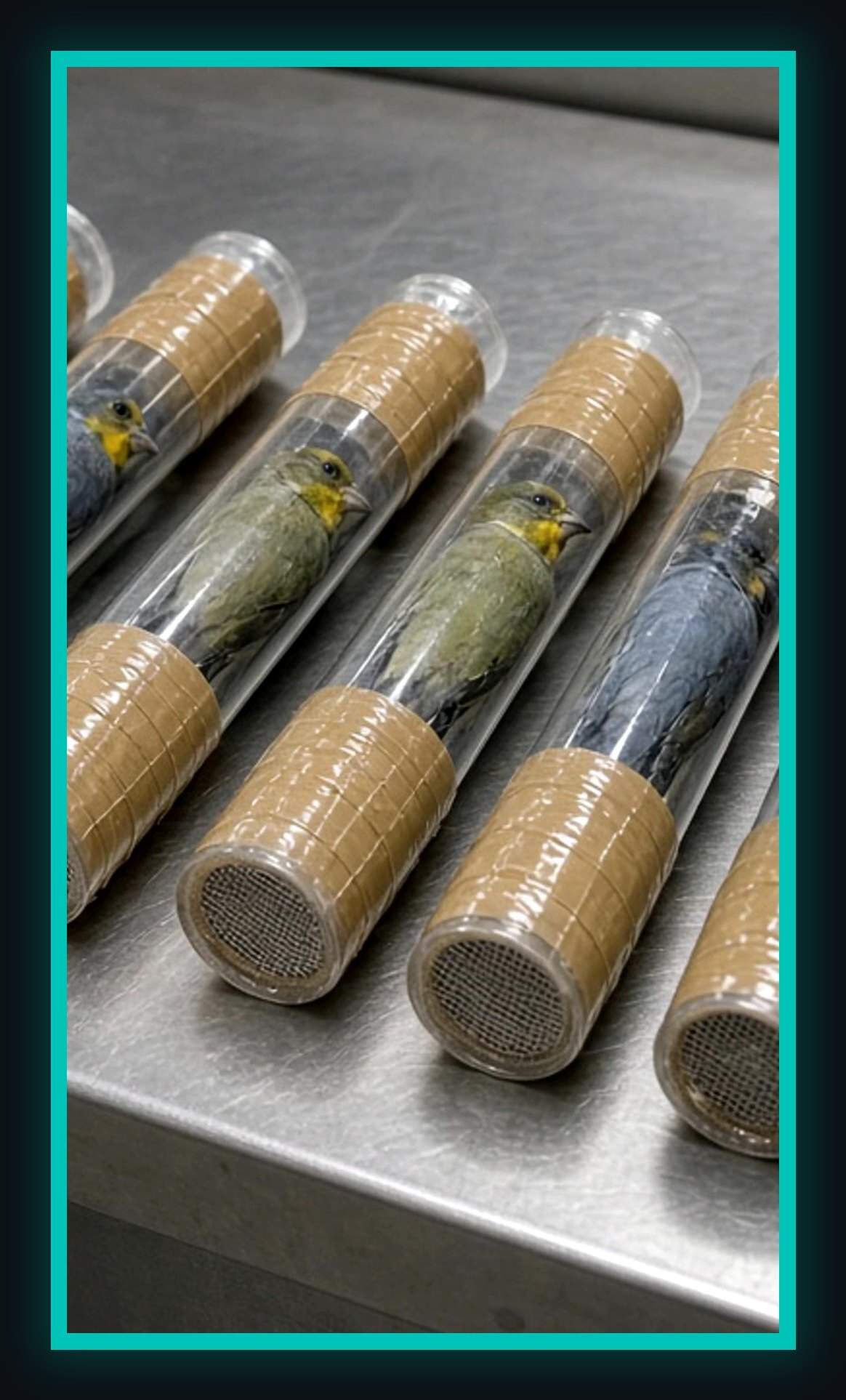
Bird smuggling at Miami International Airport did not arrive in a suitcase. It arrived against skin. On Sunday, Oct. 4, 2026, Alberto Hernandez Castillo, a 40-year-old Cuban national and lawful permanent resident of the United States, stepped off World Atlantic Flight 503 from Havana and told Customs and Border Protection he was not bringing animals or wildlife. Officers who sent him to secondary inspection wrote that he looked nervous and that an unexplained bulge sat at the front of his waist. His carry-on and fanny pack held no contraband. A pat-down in a secure room did. A Homeland Security Investigations criminal complaint says officers found six clear plastic tubes, wrapped in tape, with mesh over the openings, wedged into black pockets sewn into his underwear. Ten live birds were inside.
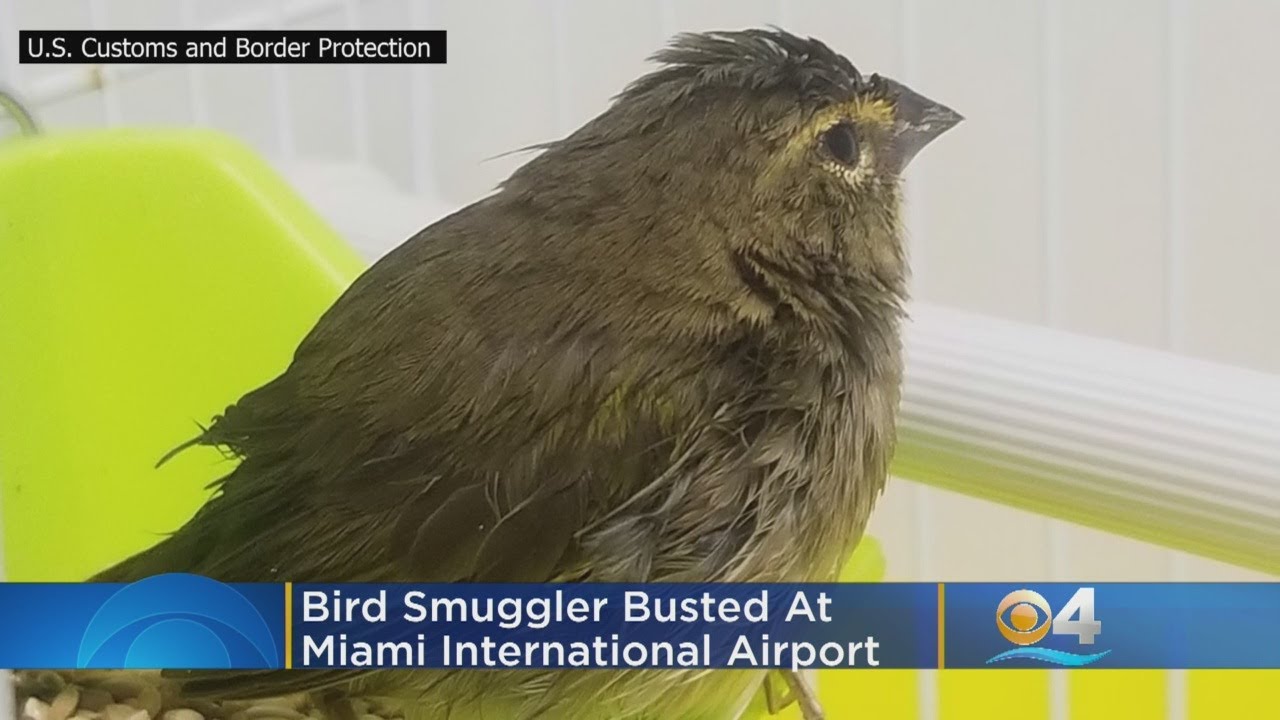
Eight were yellow-faced grassquits. Two were blue grosbeaks. Hernandez Castillo told officers the birds were for his “personal use,” then invoked his right to remain silent, the Miami Herald reported from the complaint. He is charged with smuggling goods into the United States. The Herald said he posted a $25,000 bond and was released the next day. §, citing the court record, reported a further appearance set for Oct. 26. He has not been convicted, and the federal public defender assigned to him had not commented in that Herald account.
What the Miami Airport Pat-Down Found Sewn Into Underwear
The concealment was built, not improvised in a bathroom line. Sewn pockets, tape, and mesh are a courier’s kit. The ثانيا -, describing the complaint, said Hernandez Castillo left the jetway in gold-sheened shoes and that each of six slim tubes held one or two birds that were still breathing. Mesh lets a bird take air. It also keeps the bird from getting out. The Havana-to-Miami hop is short. Time spent inside plastic, pressed to a person’s body, is not a defense, and it is not humane.
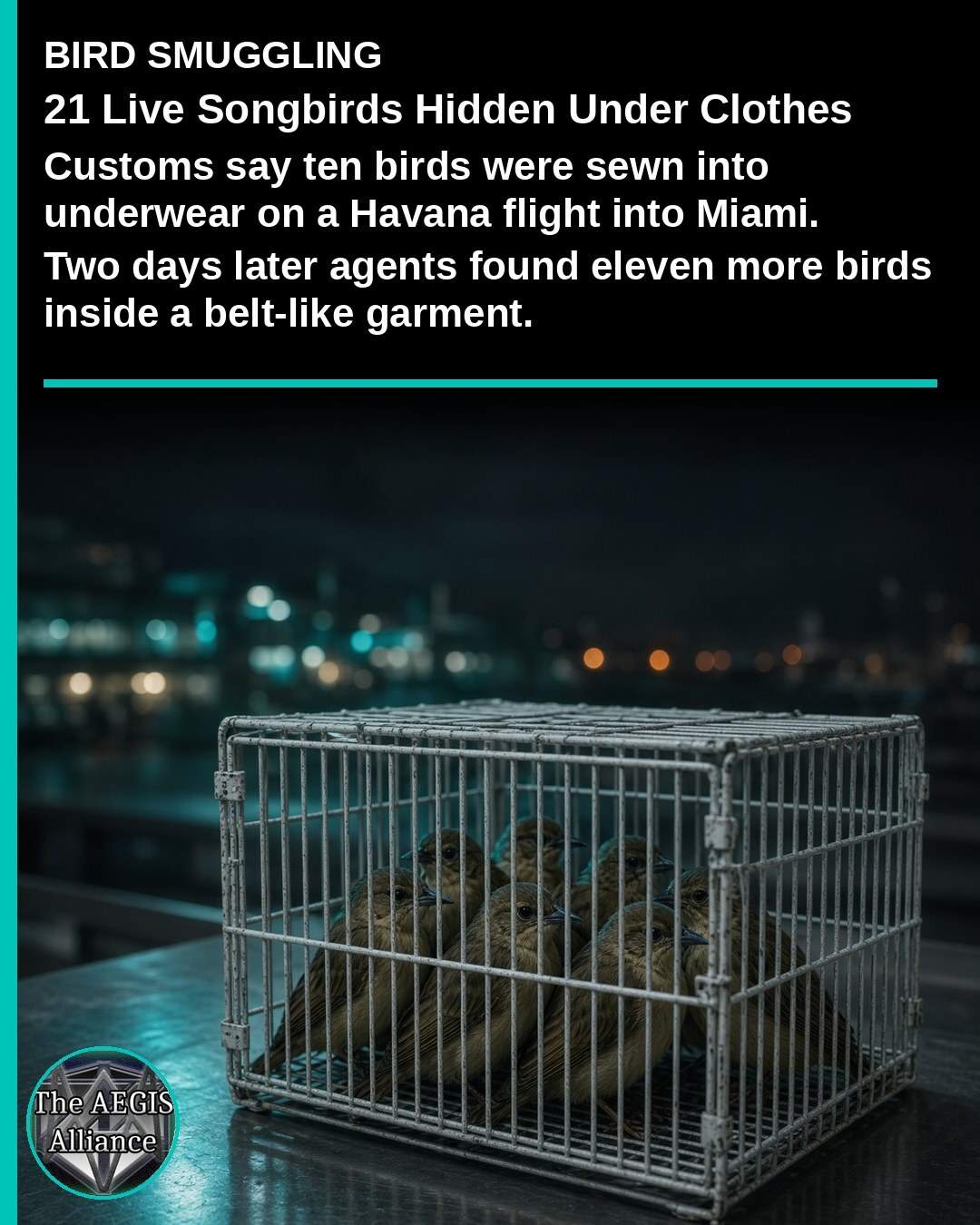
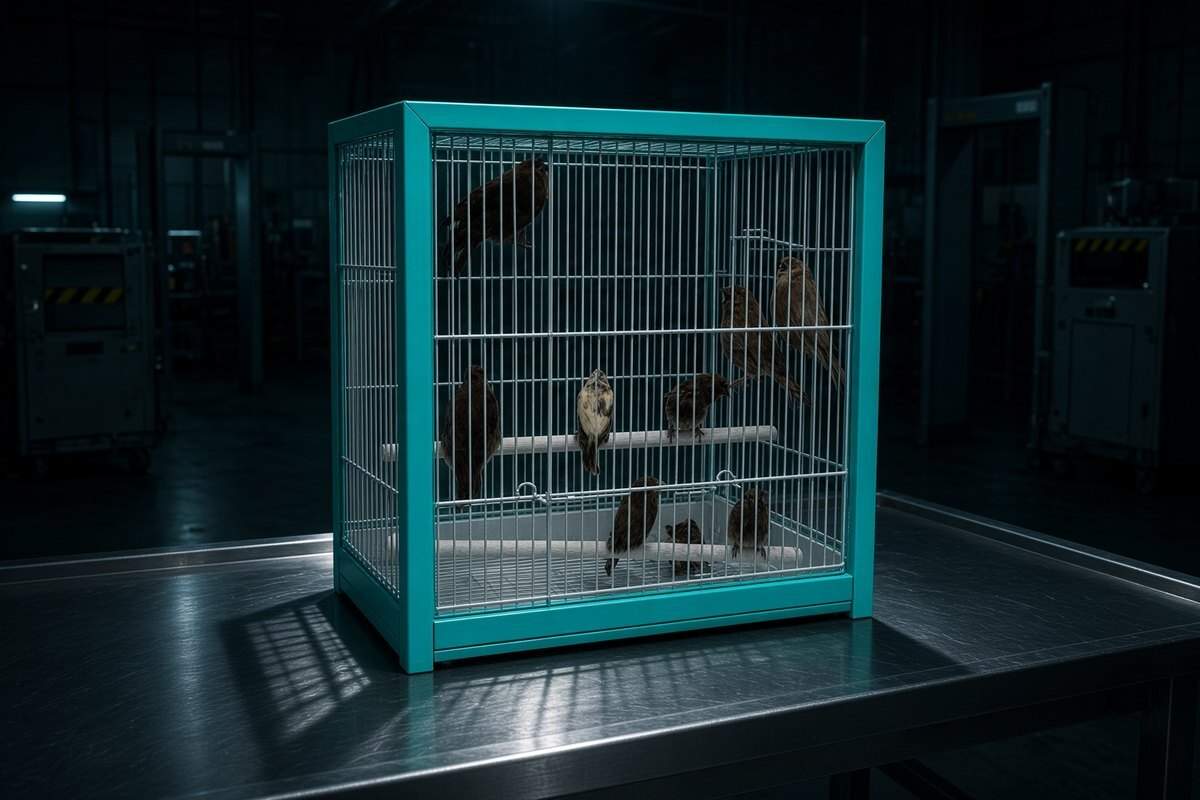
Court photos show the taped bundle at the waistband and small birds perched in a holding cage. The cage is evidence they were alive when agents documented them. It is not a plan for where they go next. The Herald said it asked Customs and Border Protection about that next step. CBS Miami reported that Hernandez Castillo never obtained the clearance the U.S. Fish and Wildlife Service requires before wildlife enters the country, and that his customs entry declaration said he had none.
Eleven More Birds Hidden in a Belt Two Days Later
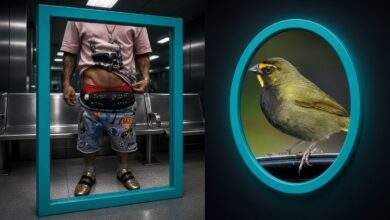
On Tuesday, Oct. 6, officers stopped a second man off a different Havana flight. Roberto Perez Quincosa, 41, also born in Cuba and also a lawful permanent resident, arrived on Eastern Air Express and said he had nothing to declare, the Miami Herald reported. Luggage was empty. A pat-down was not. A Fish and Wildlife Service account in the complaint describes a belt-like concealment garment under his clothes. NBC 6 South Florida, citing the affidavit, said agents found 11 hair-roller tubes with holes along the length, netting caps, and black electrical tape. Inside were five Cuban bullfinches and six Cuban melodious finches, all alive.
Quincosa agreed to talk without a lawyer. He said he planned to breed the birds and sell them in the United States for $100 to $120 each. Eleven birds at that range is $1,100 to $1,320. That is a storefront number, and it is still commerce. He is charged with smuggling goods into the United States. As of the Herald’s docket check on Oct. 7, the file did not say whether he remained in custody. No agency has publicly called the two complaints one conspiracy. The shared method, the same airport, and a two-day gap still read as a pattern.
The Times put the recovery at 21 live birds off two Havana passengers. Ten were in underwear. Eleven were in a belt. The Sunday complaint, read alone, has no price. Tuesday’s affidavit does.
Why These Songbirds Move on the Havana Flight
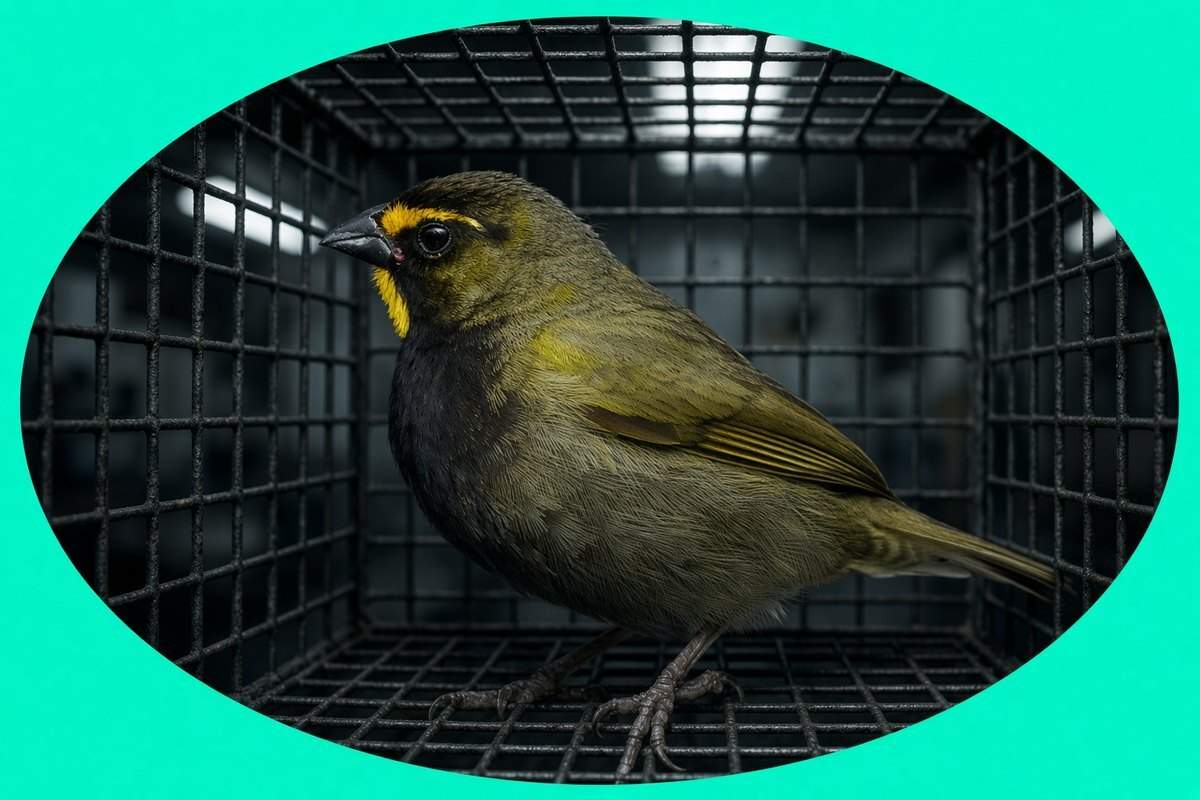
The species are not interchangeable. The yellow-faced grassquit is a small olive finch. Males wear a yellow brow and a yellow throat. Cornell’s All About Birds places it from Mexico through Central America and the Caribbean, Cuba included. It is not the Cuban melodious finch in the Tuesday seizure. That name belongs to the Cuban grassquit, a different cage bird with a different song. The Cuban bullfinch is darker, thicker-billed, and native to Cuba. Keepers on the island and in the diaspora have long prized both for song.
The two blue grosbeaks are the legal outlier from Sunday. The blue grosbeak is a North American songbird. CBS Miami noted that it is protected under the Migratory Bird Treaty Act of 1918, which bars unauthorized transport. A Caribbean finch and a grosbeak can sit in different legal boxes. Both still had to be declared. Neither was. Singing contests and the pet trade are the markets CBS Miami named for birds this size. Quincosa’s statement, if the affidavit holds, skips the softer story. He described stock he expected to breed and sell, at the price he gave agents.
The Migratory Bird Treaty Act and a Declaration Marked No
Smuggling goods is the charge on both complaints. Under 18 U.S.C. § 545, bringing merchandise in contrary to law is a felony, and it is the count reporters have tied to both men. The statute is not a wildlife label, so the Fish and Wildlife rules still do their own work. Live animals are supposed to be declared and presented for inspection before they reach a living room or a breeding cage. A “no” on the entry form, followed by birds in tubes, is the lie the complaints describe.
The treaty act is older than the airport. It was written to stop commercial trafficking in native migratory birds. A blue grosbeak does not lose that status inside a tube. Caribbean finches that are absent from the U.S. migratory list are not a free pass either. They are wildlife, and undeclared wildlife is a federal problem. The form also exists because songbirds can carry pathogens that quarantine is meant to catch. Neither complaint says these 21 birds tested positive for any illness. A garment tube never enters that system at all.
Personal Use Versus a Price for Breeding and Sale
“Personal use” is what Hernandez Castillo said before he stopped answering. Ten birds in six sewn-in tubes is a hard description of a pet. Couriers also use that line when the buyer is not on the plane. Silence after the first answer is a right, not a confession.
Quincosa’s words run the other direction. A breeding plan with a dollar range is commercial intent told to agents. One hundred to one hundred twenty dollars a bird is not a fortune. It is enough to explain a federal risk taken for finches that fit in hair rollers. The person on the aircraft is often not the person who sets the real price. The Herald has described this trade as a business that burns through replaceable carriers. These complaints do not prove an organization. They show two residents, days apart, using taped tubes and breathing mesh under their clothes on the same route.


Miami International has logged this shape before. In 2020, CBS Miami reported finches stuffed into a plastic bottle, one of them dead on arrival. In 2018, South Florida stations described a passenger from Cuba with exotic birds in a fanny pack and more in his pants. The species change. The garment changes. The airport does not.
What the Smuggling Charge Leaves Unanswered
A bond is not a verdict. The $25,000 release means a judge let Hernandez Castillo wait for Oct. 26 outside a cell. It does not prove a hobby, and it does not prove a sale. Quincosa’s price is stronger evidence of a market, and it is still an affidavit statement, not a plea. Both men remain presumed innocent of the smuggling count.
The paperwork does settle a meaner fact. Twenty-one live songbirds moved, or were stopped, in tubes. They were not in a cabin carrier. They were not on a declaration. They were not presented to the Fish and Wildlife Service. Some are protected migrants. Others are island finches people pay to hear. The confinement does not care which. A bird small enough for a hair roller was being asked to survive a customs line so a person could skip a form.
النسيج has reported the larger version of this traffic. Operation Madre Tierra VIII produced 233 arrests across nine Latin American and Caribbean countries and the recovery of more than 1,000 live animals, including parrots and macaws taken off routes that also move other contraband. A finch in a belt at Miami is not that operation. More concealment cases sit in the ♪ file. The object gets smaller. The lie on the form does not.