خمسة عشر من الناجين من مقاطعة سبوكان على مدى عقود من إساءة استخدام الحراسة داخل مركز احتجاز الأحداث


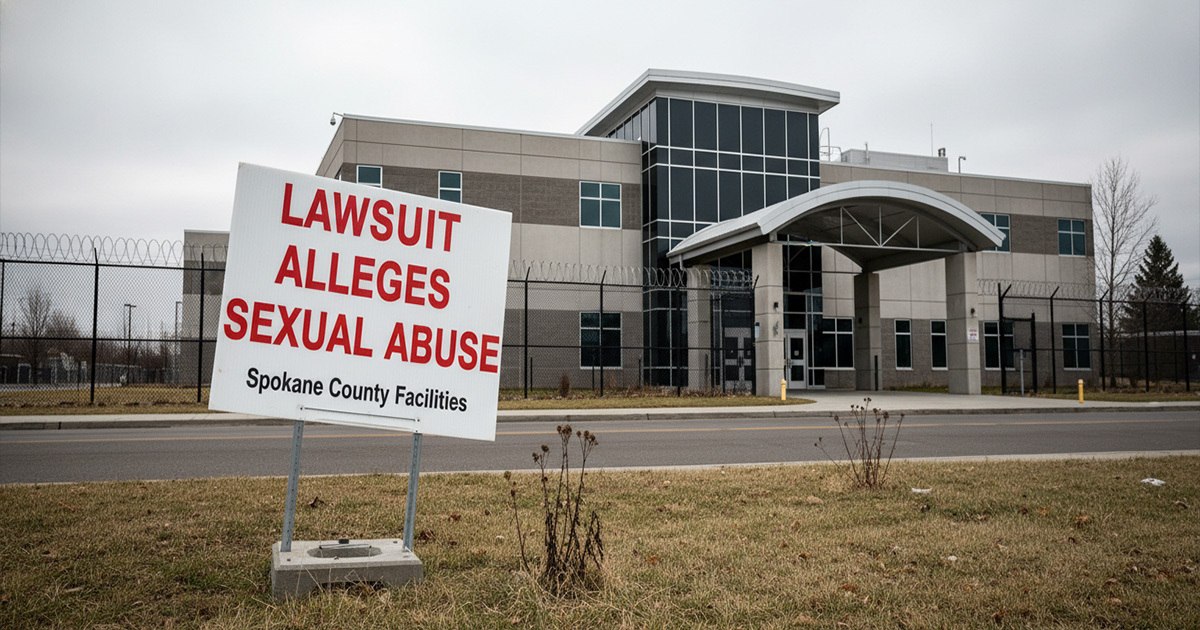
Fifteen people who were locked in Spokane County’s juvenile hall as children walked into Superior Court in October 2025 and put a generation of silence on a docket. They say guards at the Spokane County Juvenile Detention Center abused them when they were 12 to 17 years old, across a stretch of years that begins in 1983 and runs at least to 2010. The civil complaint does not name a living officer as the party who must answer. It names the county that hired the men, kept them on the roster, and left kids in their reach.
وقدّمت مكاتب القانون في كونلي القضية. وقال المحامي كولين برنس في وقت لاحق للصحافيين المحليين أن النمط كان من بين أسوأ ما رآه في مهنته أنفق على ملفات الإساءة المؤسسية. المتحدث الرسمي نُشر أول سرد مفصل للملف. وقد رفض مسؤولو المقاطعة الدفاع العام عن السنوات المعنية، متذرعين بالفصل في القضايا.
مهنتان ومبنى بدون عيون خارجية
The complaint focuses on William Lamb, a supervisor from 1999 to 2016, and Rafael Gray, who started in 1983 and stayed for decades. Both men are dead. Lamb died by suicide in 2022. Death does not close a civil claim against the employer that left those men in charge of children who could not leave the room.
Plaintiffs describe a workplace script that barely changed from one decade to the next. Guards offered candy, extra time out of a cell, and other small privileges. Isolation followed. So did retaliation when anyone tried to tell. One plaintiff, identified as K.C., says a staffer laughed off an attempt to report and asked who would believe “a delinquent.”
The AEGIS Alliance is not reprinting graphic descriptions from the complaint. The charge that matters for the public record is institutional. A county jail for children treated complaints as a joke and treated staff loyalty as more important than any duty to report. Prince called the county’s posture a “total absence of oversight or supervision.” The complaint itself says the county “employed multiple serial sex predators and granted them nearly unfettered power over children and adolescents helplessly locked in cells.”
لم ترتفع الكاميرات بشكل خطير حتى عام 2020، بعد سنوات من آخر اعتداءات مزعومة في هذا الملف. وهذه الفجوة ليست حاشية تقنية. إنه الفرق بين المبنى الذي يمكن مراجعته والمبنى الذي يعمل على كلمة من يحمل المفاتيح
واشنطن رسمت هذه الخريطة
The Spokane filing did not arrive in a vacuum. InvestigateWest’s “Guarded by Predators” series, published the same month, tracked the same culture in juvenile centers across Washington and into Idaho. A separate 2025 complaint by Oslund Udo Little lists 188 plaintiffs from state-run sites including Echo Glen, Green Hill School, and Naselle Youth Camp. Attorney Vanessa Firnhaber Oslund has said the state had a legal duty to protect those children and did the opposite.
Spokane County’s case is local and narrower — 15 people, one building, two named guards, and a third unnamed employee — but it sits on that map. Juvenile halls run without outside eyes. Children in cuffs are easy to disbelieve. That is how a pattern lasts from the Reagan years through the Obama years without a public reckoning.
The wider Washington docket has only grown since the Spokane complaint landed. Pierce County has faced more than 100 claims tied to Remann Hall, with early settlements already in the millions. Snohomish County drew a separate filing over alleged abuse at Denney Juvenile Justice Center stretching from the 1980s into the 2010s. Those cases are not this case. They are the reason a reader should not treat Spokane as an isolated accident.
Readers who have followed The AEGIS Alliance coverage of institutional abuse will recognize the shape. A county that warehouses children rarely investigates itself with the same energy it uses to investigate the children. Similar failures have been documented in other lockups this desk has covered, including civil actions that treat the employer as the defendant when the individual officers are gone.
ما يعنيه الإهمال المفرط في المحكمة
وعادة ما تصل الحكومات في هذه الملفات إلى درعين. الأول هو قانون التقادم. والثاني هو ادعاء أن المشرفين يفتقرون إلى المعرفة المعقولة الصمت هو الخطوة الثالثة وهي مقاطعة سبوكان التي استخدمتها حتى الآن
Legal analysts told local press that a no-comment posture is about trial risk, not respect. Publicly it reads as indifference. Plaintiffs want damages and an admission. Several have said the point is not only money. It is to keep the next 13-year-old from learning the same lesson in the same hallway.
Washington’s later changes to limitation periods for childhood abuse claims are the reason this filing exists at all. Survivors who were 12 in 1995 were adults with jobs and families by the time the courthouse door opened. The law finally treated their delay as a feature of the crime, not as proof that nothing happened.
That legal shift does not decide liability. A jury or a settlement still has to answer whether the county knew, should have known, or built a system in which knowing was optional. The complaint’s language of “extraordinary negligence” is a preview of that fight. It is also a description of a workplace where a supervisor could allegedly tell a girl, “It doesn’t matter, I run this place.”
لماذا المقاطعة، وليس القتلى، هو المتهم
Civil suits against institutions after an officer dies are not a technical trick. They are how a public employer is forced to answer for hiring, retention, and supervision. Lamb and Gray cannot sit for a deposition. Personnel files, shift logs, complaint records, and the county’s own PREA paperwork still can.
The Prison Rape Elimination Act has required youth facilities to track sexual-abuse allegations for years. Spokane County publishes PREA annual reports. Those documents are not a verdict. They are a paper trail that either shows a working complaint system or shows a system that existed on letterhead.
إذا كانت ملفات المقاطعة رقيقة، هذا النحيل هو الدليل. إذا كانت الملفات سميكة ولم يتغير شيء هذا السميك دليل على نوع مختلف في كلتا الحالتين، الجمهور يحق له أن يرى ما إذا كانت قاعة الأحداث تعامل "مجنون" كمرادف "غير معقول"
نمط لا يتوقف عند خط المقاطعة
Youth-detention abuse cases have piled up across the United States for the same structural reasons. Kids cannot walk out. Staff control food, movement, isolation, and the story that gets written down. Outside investigators arrive late, if they arrive at all. Prosecutors charge individual officers when the proof is fresh and the victim is still a child. Decades later, the only forum left is a civil courtroom.
وهذا هو السبب في أن التحالف يعامل هذه الملفات على أنها قصص للسجلات العامة، وليس على أنها ترفيه للجرائم الحقيقية. The same office وتتبعت حالات أخرى أخفقت فيها المؤسسات في الأطفال، ثم طلبت من الجمهور النظر فيها، بما في ذلك التغطية الراشدون الذين يستخدمون برامج للشباب الضعفاء كغطاء و فرق العمل التي لا تبدأ إلا بعد سنوات من الإنذارات المتجاهلةشكوى سبوكان تعود إلى ذلك الملف
It also belongs next to reporting on police and jail accountability in other counties, where the first instinct of an agency is to protect the roster. See the archive on أخبار مساءلة الشرطة والأوسع أخبار الجريمة مكتب لهذا النمط
ما يستطيع الناجون والجمهور فعله
RAINN and youth-justice groups opened outreach after the filing. Other survivors can still join. Anyone who needs confidential help can contact RAINN at 1-800-656-4673 or the National Child Abuse Hotline at 1-800-422-4453. In Washington, reports can go through local law enforcement or the state’s child-protection intake lines.
المقاطعة يمكنها أن تصمت الشكوى تتحدث بالفعل لن يصلح الاختباء المدني طفولة تنفق في الرواق حيث قرر الناس مع المفاتيح من هو المصدق It can still force a public employer to explain how two long careers ended without a working alarm.
The AEGIS Alliance will follow the docket as it moves — answers, motions to dismiss, discovery fights over personnel files, and any attempt to settle the case behind a sealed paper. Fifteen people waited through adulthood to put their initials on a complaint. The least a county can do is answer them in public.