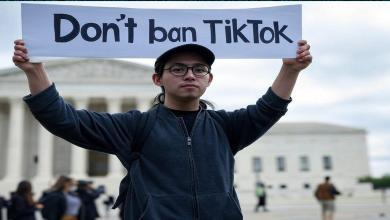
وأيدت المحكمة العليا قانون تكتوك للبيع أو الحظر وانتقلت المعركة من المقعد إلى مشروع مشترك بين الولايات المتحدة


By the time oral argument ended on January 10, 2025, the legal question was no longer whether teenagers may record dances. It was whether Congress may force a foreign parent to sell a communications platform or watch that platform lose the app stores and cloud vendors that keep it alive. One week later the Supreme Court answered. In TikTok Inc. v. Garland the justices, in a per curiam opinion, left the Protecting Americans from Foreign Adversary Controlled Applications Act standing. The vote on the judgment was 9-0. Justice Sonia Sotomayor concurred in part. Justice Neil Gorsuch concurred in the judgment.
وكل ما تلى ذلك - وهو انقطاع الكهرباء في كانون الثاني/يناير ٢٠٢٥، وتوقف الانفاذ، والمشروع المشترك في ٢٢ كانون الثاني/يناير ٢٠٢٦ - جلس على هذا الحيازة. The AEGIS Alliance covered the bench as a legal floor. الصفقة التي جاءت فيما بعد هي سقف سياسي. ويعيش المستخدمون في الفضاء بين هاتين الوثيقتين.
ما قرره مجلس الشيوخ
TikTok’s lawyers argued the statute punished speech based on the speaker’s identity. The government answered that the law targets ownership, data access, and operational control, not viewpoint. That framing is why the Court could treat the case as a national-security and foreign-commerce dispute instead of a content ban. A ruling that leaves the law intact does not pick the buyer. It only removes the last judicial obstacle.
The statute’s mechanism is indirect and brutal. It does not smash phones. It tells U.S. firms they may not host, distribute, or update a covered application. Apple, Google, and Oracle become the enforcement surface. When ByteDance took the U.S. app dark on January 18, 2025, it was acting inside that architecture, not outside it. Reporting later put the outage at about 12 to 14 hours. Then-President-elect Donald Trump signaled that his Justice Department would not treat the overnight blank screen as the start of a permanent ban. By January 19 the app was loading again.
A platform can carry speech without the Constitution requiring the United States to accept a particular foreign corporate parent. That is the distinction the government sold and the Court bought. It is also the distinction critics say will be reused the next time Washington wants a domestic owner for a network it does not like. The AEGIS Alliance will keep that reuse on the record.
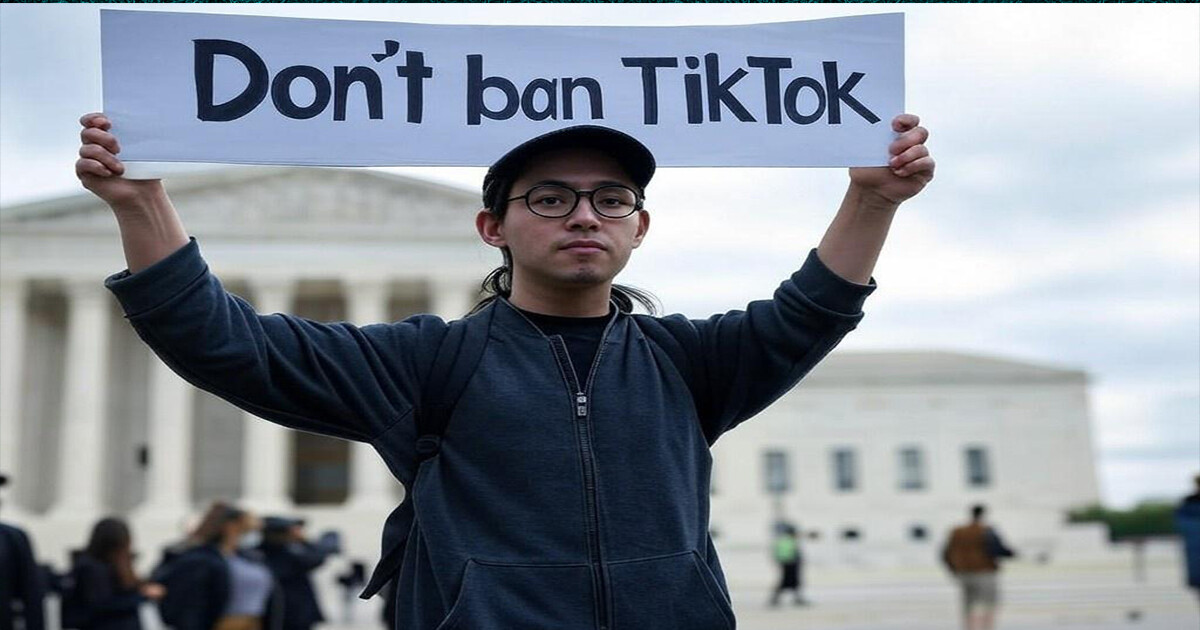
من خسارة المحكمة إلى مخطط ملكية متفاوض عليه
Once the Court was done, the remaining fight was commercial and political. The incoming Trump administration declined to treat January 19, 2025 as a hard stop. A series of enforcement delays followed. Critics on the Senate Intelligence Committee, including Sen. Mark Warner, argued those extensions had no clean basis in the text Congress passed. The statute did not say a president could keep rewriting the calendar. The White House did it anyway.
In September 2025 the administration announced a framework that valued TikTok’s U.S. assets at about $14 billion. On December 18, CEO Shou Zi Chew told staff that ByteDance had signed with Oracle, Silver Lake, and Abu Dhabi’s MGX to form TikTok USDS Joint Venture LLC. The transaction closed on January 22, 2026, one day before the last enforcement deadline. إعلان تيك توك و حساب رويترز عن قرب استخدمت لغة الامتثال.
The ownership math is the entire legal trick. Oracle, Silver Lake, and MGX each took about 15 percent. Affiliates of existing ByteDance investors took another block. ByteDance itself kept 19.9 percent — a sliver under the 20 percent “foreign adversary” cap written into the statute. That cap is a percentage. Percentages are not source code. They are not access logs. They are a line in a press release that can be true and still leave the recommendation engine on a leash held somewhere else.
The new company is headquartered in Culver City. Adam Presser, previously TikTok’s operations and trust-and-safety lead, became chief executive of the venture. Oracle was named the trusted security partner, with U.S. user data stored in domestic cloud centers. The recommendation algorithm is supposed to be retrained on American user data under U.S. jurisdiction. ByteDance still owns core intellectual property and licenses it to the joint venture. That licensing line is why members of Congress, including Sen. Ed Markey in May 2026 letters, kept asking for the full transaction documents and for Oracle’s actual source-code review.
سبب فشل حجة التعديل الأول في الهبوط
Creators heard a ban. The Court heard a corporate-control statute. Those are different cases. A user dancing in a kitchen is not the speaker the law names. ByteDance is. Once the justices accepted that the government was regulating a foreign parent rather than a viewpoint, the heightened First Amendment frame lost its grip. Gorsuch’s concurrence still worried about the breadth of the tool. Worry is not a veto.
The same political season produced a different platform decision that belongs in the same file. أسقطت (ميتا) طرف ثالث يفحص الحقائق ووصلنا إلى نموذج مسلسل "إكس تايل" في حين كان "واشنطن" مشغولاً في تحديد من قد يملك صفحتك الخط ليس الصين فقط الخط هو من يجلس بين المستعمل والفيديو التالي أو البريد أو الإعلان
من أجل حساب أطول للغموض و الإغلاق تقرير التحالف في ليلة وفاته وإعادة بناء المرافقين الراحه- هذه الصفحة هي قضية المحكمة. هذه الصفحات هي الخروج والخريطة
ما لم يستقر
A unanimous judgment sounds like an ending. It was a beginning with better stationery. By February 2026, early talk of a mass user exodus looked overstated. Usership steadied. Stability is not the same as independence. A feed can feel American and still be ranked by an engine whose intellectual property lives on the other side of a licensing agreement.
Advertising, e-commerce, and “global interoperability” remaining with TikTok’s global entities is not a footnote. That is how the app makes money. A seven-member board with an American majority is a governance picture. It is not a packet capture. Oracle cloud regions in the United States are a political object. So is an app-store icon. The statute Congress passed is still on the books. The executive branch decided not to use it while the org chart was rewritten. That is not the same as the national-security question being answered.
Supporters of the original law said the issue was never dance videos. It was a foreign parent with a legal duty to cooperate with Chinese intelligence services sitting on the behavioral graph of roughly 170 million Americans. Opponents said Washington was willing to break a communications platform it would never treat the same way if the parent company were headquartered in Menlo Park. Both statements can be true in the same week. That is why the fight survived the closing.
The AEGIS Alliance will treat the January 2026 close as a change in letterhead until the transaction documents, the source-code review, and the advertising split are public. The Court made the law usable. The joint venture made the ownership chart look American. Whether the algorithm is actually out of Beijing’s reach is the question the closing statement did not answer. For the technology desk around this fight, see الأخبار التقنية و كيف عالج المنصات الأخرى البرمجيات الخفية على نفس الأجهزة.





بإمكانهم أن ينتقلوا إلى دعم (بيتكوين) لطريقة الدفع على (تيكتوك)... ومن ثم يمكنهم إعطاء الإصبع الأوسط للحكومة الأمريكية...
فقط اعثر على الخوادم خارج أمريكا وجميعهم جاهزون
فقط ملياردير من البيوت، من أصل أفريقي الدعاية الروسية لنا
نعم هذا سيكون مستحيل
لأن الشواذ حول خطاب الحرية، صحيح؟ هذا صحيح فقط عندما يكون لـ(ترامبرز) الحق في الصويا المجانية