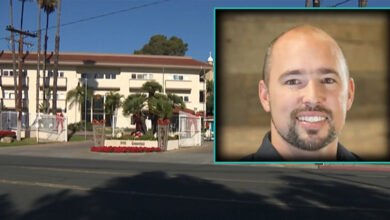
(سان أنطونيو) الأم (سافانا كريغر) سجّلت (كايدن) بعمر 3 سنوات يقول وداعاً قبل قتل المنتزه

Bexar County Sheriff Javier Salazar laid out a March 2024 timeline that began with a custody hearing set for the next morning and ended in a drainage ditch behind Tom Slick Park on San Antonio’s West Side. Savannah Kriger, 32, and her 3-year-old son, Kaiden, were found there on March 19. The Bexar County Medical Examiner’s Office ruled Kaiden’s death a homicide and Savannah’s a suicide. Investigators said she shot her son, then herself. Each had a single gunshot wound to the head.

On the afternoon of March 18, Kriger left work early and drove to her estranged husband’s home in southeast San Antonio while he was at work. Deputies said she damaged clothing, furniture, and other belongings, then left. At her own house, investigators later found a wedding dress laid out and wedding portraits shot through with bullet holes. She picked Kaiden up early from Children’s Lighthouse Alamo Ranch, citing a doctor’s appointment. Relatives said that was the last time the pair were seen alive.
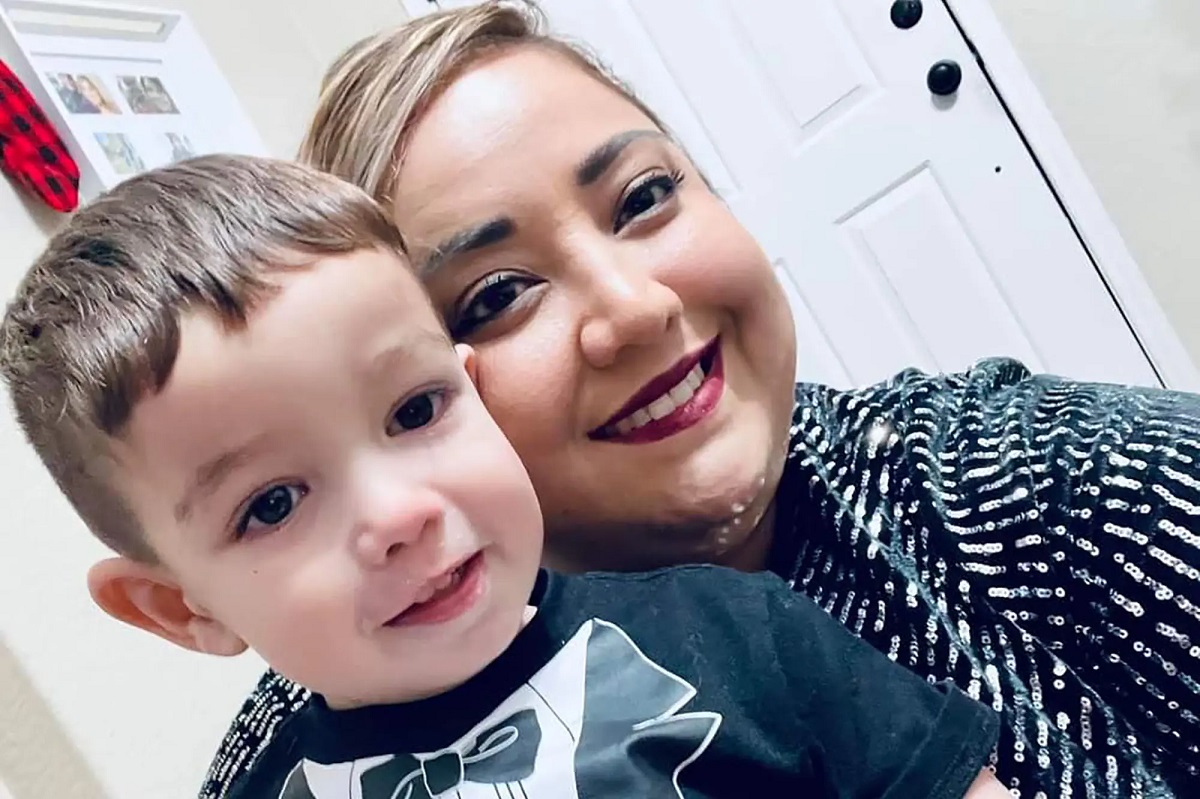
Kriger sent her estranged husband a string of threatening messages, including a final text that read “say goodbye to your son.” Her phone went to voicemail. Location services were off. A welfare check that evening did not locate her. Her vehicle turned up abandoned at Tom Slick Park off Highway 151. An Amber Alert for Kaiden went out early the next morning. Park police found the bodies after daylight in a drainage ditch in the back section of the park.
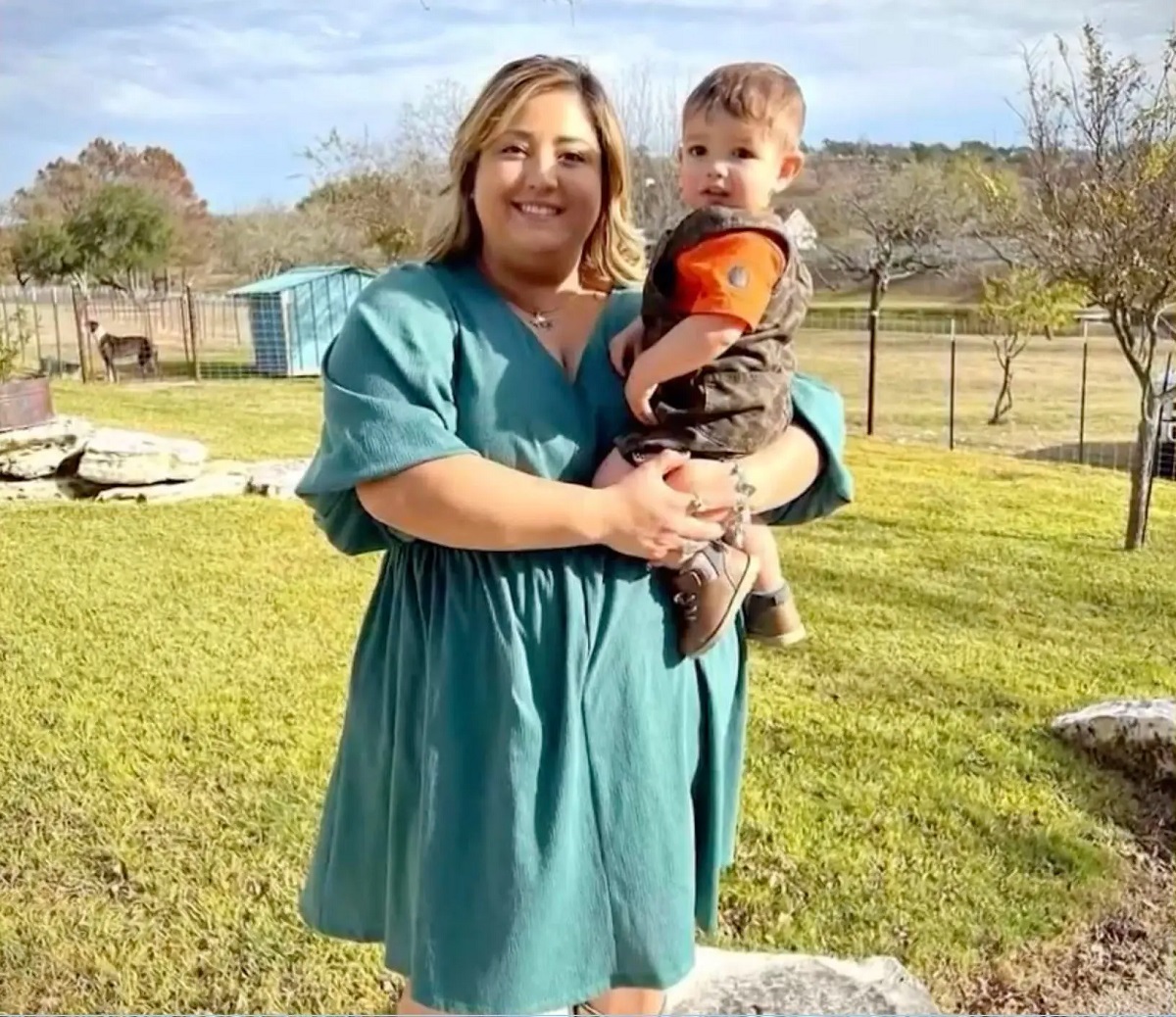
أمر وقائي، جلسة استماع، ومقطع من 21 ثانية
سجلات المحكمة تعقد أي قصة واحدة عن الزواج. سان أنطونيو أبلغ عن that Kriger filed for divorce on March 7 and sought a protective order, alleging abuse and saying she feared for her life and her son’s. Records also showed she had expressed suicidal thoughts in the weeks before her death. A judge had ordered that Kaiden be brought to court the morning the Amber Alert issued. KSAT reported on April 30, 2024أن الطبيب الشرعي قد وقّع على الأحكام: جريمة قتل للولد، انتحار للأم
Investigators recovered a roughly 21-second video from her phone. In it she is seated with Kaiden in the ditch where their bodies were later found, telling him to “say goodbye to daddy.” The boy notes that his father is not there and gives a kiss. The clip does not show the shootings. Salazar’s office treated it as evidence of her state of mind in the final hours. No criminal case followed. A murder-suicide closes the file even when the questions do not.
Family-court files in Texas, as in every other state, are built on competing affidavits. A protective-order petition is a claim, not a finding. A custody hearing is a scheduled attempt to sort those claims before a child is moved. Kaiden was supposed to be in a courtroom on March 19. He was in a ditch instead. The gap between those two rooms is the part of the case that does not close when a medical examiner signs a form.
ما يتركه الجدول الزمني بدون جواب
Salazar’s office reconstructed the last day in public briefings because the Amber Alert had already put Kaiden’s face on phones across Bexar County. The reconstructed day is grim in its ordinary steps. She left work early. She went to a house that was no longer hers to wreck rooms. She staged a wedding dress and shot the portraits. She lied to a daycare about a doctor. She turned off location services. She sent a goodbye text. She recorded a goodbye that the boy did not understand. Then she used a gun.
None of that sequence required a stranger. It required a collapsing household, a scheduled hearing, and a firearm. Advocates who work domestic-violence dockets will recognize the pattern without needing San Antonio’s street names. Separation is statistically one of the most dangerous windows in an abusive relationship, and it is also the window in which a parent in crisis can decide that a child will not be “lost” to the other parent. Those two facts can exist in the same file. They existed in this one. The petition alleged fear. The text promised a goodbye. The ditch delivered both.
Public reporting after April 2024 has not produced a criminal defendant because the shooter is dead. That is how murder-suicide files work. They also tend to freeze the surviving parent in a story he did not get to finish in court. The estranged husband received a text, a welfare check that found no one, an Amber Alert, and then a notification from a park. There is no trial at which a jury weighs the protective-order claims against the wrecked house and the portraits. There is only the medical examiner’s pair of rulings and a 21-second clip that should never have been recorded.
The AEGIS Alliance records cases in which children become the last leverage in a collapsing household. See our أخبار الجريمة الملف، التقرير عن مراهقة جهزت كاميرات لإساءة استعمال الوثائقتغطية أخرى المهتمون الذين حولوا منزلهم إلى مسرح جريمةو أخبار الولايات المتحدة مكتب الفيديو الهاتفي ليس بديلاً عن نظام الرعاية الذي يصل إلى الناس قبل النزول
إذا كنت أو شخص تعرفه يكافح أو في أزمة، المساعدة متاحة. استدعاء أو نص خطة حياة الـ 988 من الانتحار في 988، أو الدردشة في 988lifeline.org- خط الحياة مجاني وسري ومتاح على مدار الساعة. إذا كان الطفل في خطر فوري، استدعاء 911.
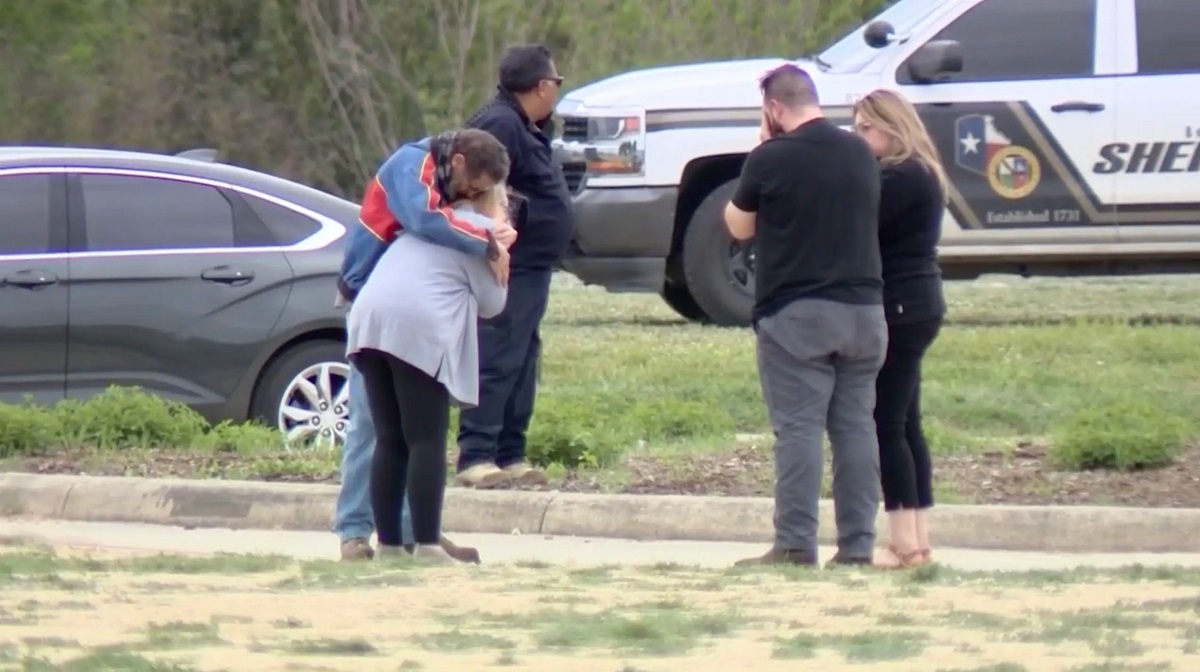
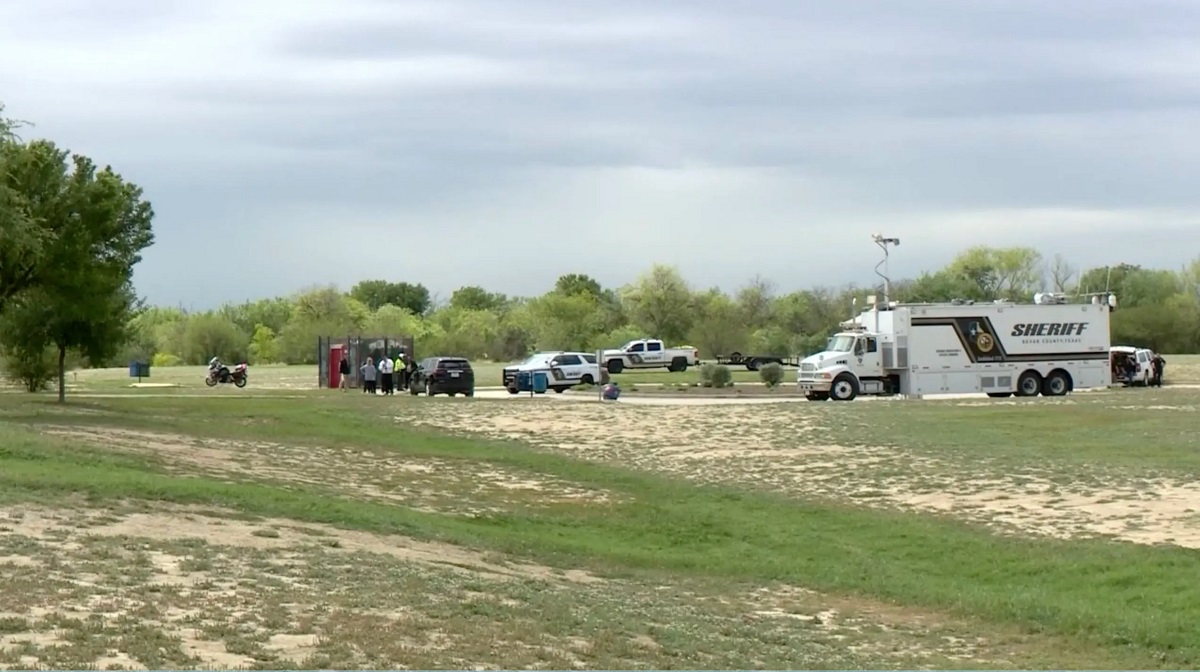
Tom Slick Park is a West Side green space off a highway, the kind of place a city puts playgrounds and drainage infrastructure in the same parcel. The ditch is not a metaphor. It is a concrete channel where two bodies waited for daylight and a park officer. Kaiden was three. He had been told to say goodbye to a father who was not in the frame. The AEGIS Alliance is leaving that sentence in the record because family court, daycare pickup, and a welfare check all touched this file and none of them reached the ditch in time.