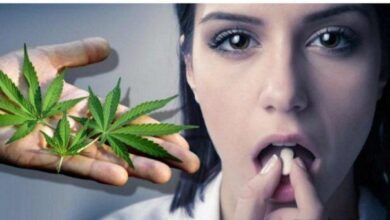
هل يمكن للقنب أن يساعد في معالجة إدمان الأفيون؟ "العلم المقطعي"

As the opioid epidemic grinds on, many of those claiming to seek “solutions” have largely sidelined one of the most promising avenues of research: medical cannabis. When the Comprehensive Addiction and Recovery Act (CARA) was being debated in 2016, amendments to study medical cannabis were stripped out before the bill became law.
حدث ذلك على الرغم من تصاعد الأدلة التي تشير إلى الطريق الآخر. ألف الدراسة السريرية وَجدَ ذلك القنّبِ المُبَخَّرِ يُخفّفُ الألمَ العصبيِ، وحتّى مؤسساتِ الحكومةِ الاتحاديةِ الوطنيةِ الخاصةِ معترف به وقد تؤدي منتجات الماريجوانا الطبية دورا في الحد من استخدام المواد الأفيونية اللازمة لإدارة الألم.
وقد ارتبطت مجموعة متنامية من البحوث بوصول القنّب إلى استخدام الأفيون المنخفض. وخلصت عدة تحليلات إلى أن تناقصت الأضرار المتصلة بالمواد الأفيونية في الولايات ذات القنّب القانوني، وأفيدت أعمال المسح أن حصة كبيرة من مرضى القنّب توقف أو توقف عن استخدام الحبوب الطبية A widely cited 2017 دراسة وأفادت بأن إدمان الأفيون على المواد الأفيونية وتعاطيها جرعة زائدة يقعان في الولايات ذات البرامج الطبية للقنب.
في يناير 2017 الأكاديميات الوطنية للعلوم published a sweeping review of the scientific literature and concluded that one of the most strongly supported uses of cannabis is the treatment of chronic pain — the very condition that so often serves as the on-ramp to opioid dependence. Yet much of this evidence was ignored by policymakers, while critics have pointed to the role pharmaceutical companies played in إذكاء أزمة الأفيون في المقام الأول
الاختراق المقطعي (Cbd): كيف يُستهدف القنّب
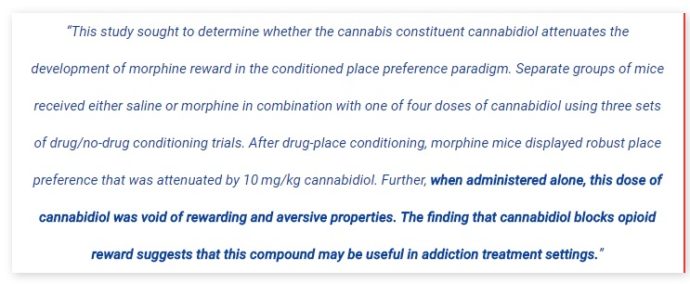
الأكثر تطوراً جاء من معمل د. (ياسمين هورد) مدير معهد الإدمان في مدرسة (تشان) للطب في (ماونتي) بناء على سنوات من البحوث التمهيدية يظهر أنّ (كانابيديول) قلّل من سلوك البحث عن الهيروين في الحيوانات، خضع فريق (هارد) لتجربة سريرية مزدوجة العيون، مُسيطرة على المُخنثين. ونُشرت النتائج في 21 أيار/مايو 2019 في المجلة الأمريكية للطب النفسي.
In the trial, drug-abstinent participants who had a history of heroin use were given either 400 mg of CBD, 800 mg of CBD, or a placebo. Compared with placebo, CBD significantly reduced both the craving and the anxiety triggered by drug-related cues — the environmental triggers most strongly tied to relapse. Strikingly, the effect lasted up to seven days after the final dose. CBD also lowered measurable physiological stress responses, reducing elevated heart rate and salivary cortisol levels, and the study reported no serious adverse effects.
Crucially, CBD does not produce the intoxicating “high” associated with THC, the other major active compound in cannabis. That makes it far harder for prohibitionists to attack on the grounds of impairment, and it can even be extracted from hemp. Because purified CBD is non-intoxicating, CBD-based medicines have gained acceptance even in historically prohibitionist states, where they are used to treat children with intractable epilepsy — the same active ingredient was approved by the FDA in the medication Epidiolex.
It is worth being precise about what the science shows. Hurd and her colleagues framed their findings not as a cure but as “significant promise” and “a strong basis for further investigation” of CBD as a treatment option for opioid use disorder. CBD appears to help break the cycle of craving and relapse rather than to instantly erase addiction, and Hurd has since launched larger NIH-funded clinical trials in people with opioid use disorder to test whether those early results hold up at scale.
صورة متنافسة ولكن واعدة
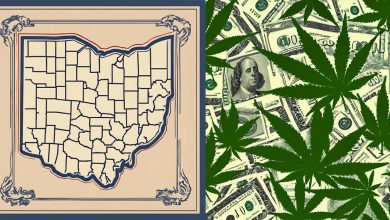
The broader population-level evidence is genuinely mixed, and honest reporting has to acknowledge that. Some research continues to associate cannabis legalization with fewer opioid overdoses, reduced prescriptions, and lower rates of non-fatal opioid poisonings. Other rigorous work cuts the other way: a major reanalysis published in PNAS found that the once-celebrated finding of a 21 percent drop in opioid overdose deaths in medical-cannabis states actually reversed over a longer time frame, swinging to a 23 percent increase, leading those authors to caution that claims of cannabis reducing overdose deaths should be met with skepticism. Economists writing for the National Bureau of Economic Research likewise found that retail cannabis sales were associated with higher, not lower, opioid mortality in some models.
What emerges is not a slogan but a serious scientific case: at the level of individual craving and relapse, the CBD evidence is encouraging and supported by a controlled clinical trial, while the population-wide impact of legalization on overdose deaths remains contested and dependent on how the data are analyzed. That nuance is exactly why the research deserves to continue. For decades, cannabis’s Schedule I status made it harder for scientists like Hurd to study the plant. That barrier started to crack on April 23, 2026, when Acting Attorney General Todd Blanche placed FDA-approved marijuana products and marijuana sold under a qualifying state medical license into Schedule III. Hemp-derived CBD was already easier to work with after the 2018 Farm Bill, which is why Epidiolex reached pharmacies while whole-plant research lagged. Recreational cannabis and bulk marijuana remain in Schedule I while DEA’s administrative law judge writes a recommendation on whether the rest of the plant should follow. The science Hurd published still has to fight the leftover paperwork.
States have long been reluctant to recognize opioid addiction as a qualifying condition for medical cannabis, and the pharmaceutical industry has lobbied heavily to protect its market, including in states where well-funded anti-cannabis campaigns helped defeat legalization measures. But as controlled clinical evidence accumulates alongside the statistical signal from cannabis-legal states, the case for treating opioid addiction with cannabis-derived compounds like CBD continues to strengthen.
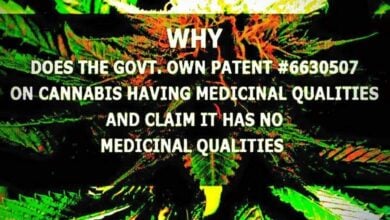
للمزيد من تقاريرنا عن سياسة المخدرات والتناقض الحكومي الخاص بالقنب براءات الاختراع في كندا ولدينا أخبار الصحة.



حصلت على صديق مقرب الذي نجح في الحصول على الخروج مع ذلك. نظيف لعقود الآن
رائع! في هذه المرحلة سيكون من الأسهل تسمية الأشياء التي لا يمكن للقنب القيام بها، مثل هذا النبتة المدهشة