Palestinian Medics Held Without Charge Put the World Medical Association Assembly in Rotterdam on Trial

Delegados da Associação Médica Mundial chegam a Roterdão esta semana com um arquivo que já escreveram e um governo que nunca respondeu. Médicos palestinos permanecem em prisões israelenses sem acusação. De 7 a 10 de Outubro, a Assembleia Geral, organizada pela Associação Médica Holandesa KNMG, tem de decidir se um jaleco branco está protegido ou se Israel é livre para a prisão.
Mais de 1.700 profissionais de saúde palestinos foram mortos no genocídio em Gaza, disse Médecins Sans Frontières em 20 de julho de 2026, ao lado de 15 de seus próprios colegas. A Healthcare Workers Watch contou com 95 ainda detidos. Até 31 de agosto de 2026, a Organização Mundial de Saúde havia registrado 1.003 ataques à saúde em Gaza, 1.007 pessoas mortas nesses ataques e 1.705 feridas. Todos os 36 hospitais estão danificados. Cerca de 53% eram apenas parcialmente funcionais.

The association does not need another study tour. It needs to read its own mail.
What the World Medical Association already put in writing
Em 9 de julho de 2026, a presidente Dra. Jacqueline Kitulu enviou ao primeiro-ministro Benjamin Netanyahu um terceiro recurso. Cartas em novembro de 2025 e em 15 de janeiro de 2026 haviam pedido a Israel que tentasse os profissionais de saúde detidos ou os libertasse, e obedecesse ao direito humanitário internacional. Ninguém respondeu.
A carta de julho nomeou pelo menos 14 médicos palestinos de Gaza, mais detidos sem acusação formal sob a Lei dos Combatentes Ilícitos, alguns por mais de dois anos. O anexo parece uma lista do hospital. O Dr. Akram Abu Odeh, chefe de ortopedia do Hospital da Indonésia, está detido desde 22 de novembro de 2023. Pediátrico Dr. Raed Mahdi desde 7 de dezembro de 2023. O Dr. Nahad Abu Taima, líder cirúrgico do Hospital Nasser, desde 16 de fevereiro de 2024, em uma varredura que também levou colegas de Al-Aqsa, cuidados intensivos e cardiologia. Dr. Murad Alkuka foi levado do Hospital Al-Shifa em 18 de março de 2024. o cirurgião vascular Dr. Hassan Almukayed foi retirado do Hospital Kamal Adwan em 25 de outubro de 2024.
Kitulu pediu cuidados independentes imediatamente, e para um exame Protocolo de Istambul onde quer que a tortura seja alegada. Ela pediu um julgamento justo ou libertação incondicional se ainda não há nenhuma carga, um fim à solitária confinamento, e acesso a advogados e família. A World Medical Association published the appeal em 13 de julho de 2026. De um prisioneiro, dizia que os relatos "elevam as preocupações mais sérias da sua vida". Uma resolução de Helsínquia em Outubro de 2024 e um texto do Conselho de Belgrado em Abril de 2026 condenados ataques contra os profissionais de saúde.
Dr Hussam Abu Safiya and a court window that runs into Rotterdam
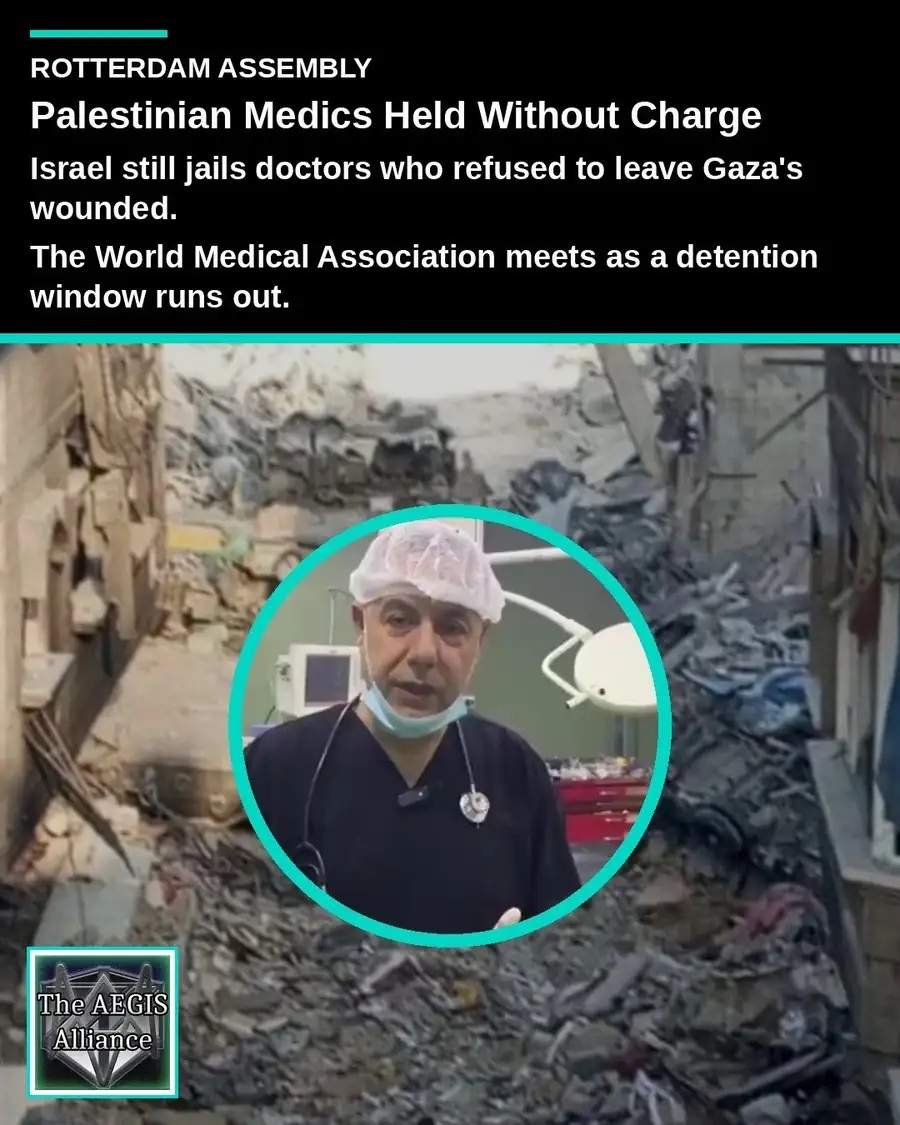
O rosto desse anexo é o Dr. Hussam Abu Safiya, o pediatra que dirigiu o Hospital Kamal Adwan e ficou no norte de Gaza depois que as forças israelenses mataram seu filho. Em 27 de dezembro de 2024, as tropas invadiram o hospital, depois o último a funcionar no norte, e o levaram. Um homem de jaleco branco caminhando em direção a um veículo blindado era a última imagem pública dele livre.
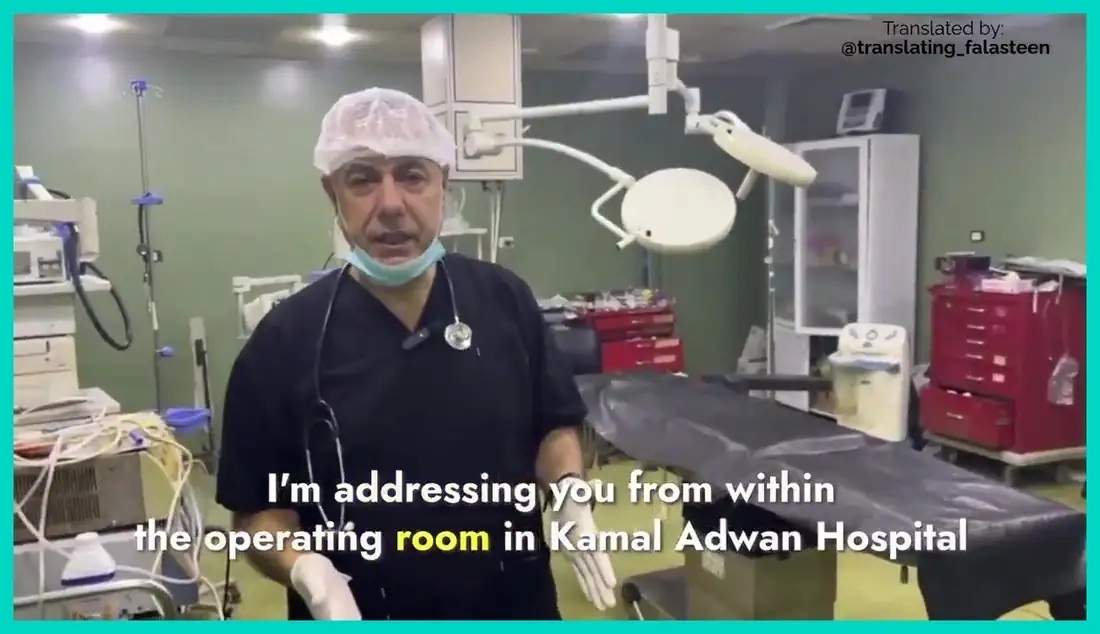
Está detido há mais de 21 meses sem acusação formal. A Lei dos Combatentes Ilícitos permite que Israel renove a detenção sem provas de que um julgamento público exigiria. Em 16 de junho de 2026, o Supremo Tribunal de Israel rejeitou seu recurso e deixou a ordem em vigor até pelo menos outubro. Anistia Internacional has called the detention arbitrary.
Desde 3 de junho de 2026 que ele está em confinamento solitário, passados os 15 dias as regras Nelson Mandela tratar como a borda da tortura. Um advogado que o viu em 2 de julho de 2026 encontrou-o muito exausto para falar, perdendo a consciência, com ferimentos em torno de seus olhos, ouvidos, pescoço e cabeça. O BMJ carried the line he sent from prison. “They brought me here to kill me.”
Autoridades israelenses apontam para uma fotografia de 2016 e afirmam que ele ocupava cargos nos serviços médicos do Hamas. O ministério da saúde de Gaza rejeita isso como motivo de prisão, e nenhuma folha de acusação pública apareceu. Um ficheiro secreto não é um julgamento. É uma forma de desaparecer um pediatra que mostrou o que os ataques israelitas fizeram aos recém-nascidos nas suas enfermarias. Em 13 de agosto de 2025, UN experts Tlaleng Mofokeng and Francesca Albanese nomeou a política mais ampla. "Além de testemunharmos um genocídio em curso, também estamos testemunhando um 'medicida'", disseram, "um componente sinistro da criação intencional de condições calculado para destruir palestinos em Gaza que constitui um ato de genocídio."
The surgeon, the family doctor, and the wards they left
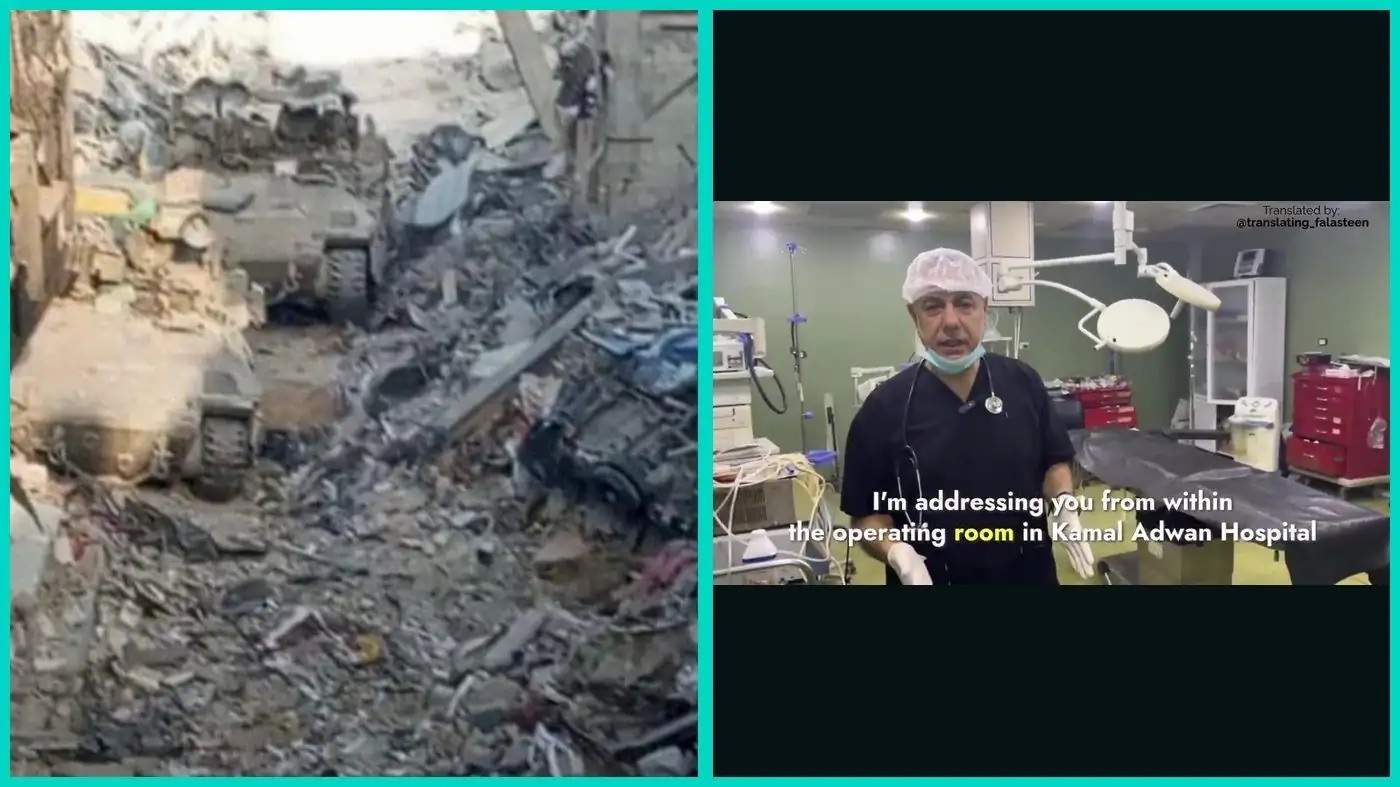
O Dr. Mohammed Obeid, listado no anexo como Muhammad Ubaid, é cirurgião ortopédico, pai de três filhos, e colega de MSF desde 2018. Dias antes das forças israelenses levá-lo, ele disse, de dentro do hospital, "Não há palavras para descrever a situação no hospital Kamal Adwan: é desastroso." Confirmado o MSF detido em 26 de outubro de 2024. Em 20 de julho de 2026 ele tinha sido mantido por mais de 600 dias, sem encargos e sem contato com sua família. Ele ainda está em uma carta Netanyahu não respondeu.
Na Cisjordânia ocupada, Israel não pode reivindicar um hospital de batalha. Em 21 de junho de 2026 soldados prenderam o Dr. Mazen al-Rantisi, um médico Ramallah de 71 anos, conhecido como o médico dos pobres, em uma incursão pré-dawn em al-Tira. Ele preside os Comitês de Trabalho da União de Saúde, que tem dirigido clínicas para pessoas que não podem pagar desde 1985. Physicians for Human Rights Israel told The Guardian the arrest was “another alarming escalation in Israel’s crackdown on Palestinian civil society,” and “not just about one doctor.”
Haaretz reported on 2 August 2026 that al-Rantisi, then at Ofer prison, described beatings, crowding, and food he called unfit to eat. He missed his medicine for 10 days. Once, a medic checked his pulse through a slot in the door. The prison service denied it. A Gaza surgeon and a West Bank family doctor are describing one system.
Attacks on Gaza hospitals and West Bank clinics are one policy
Reuters reportados figures WHO humanitarian director Altaf Musani gave in Geneva on 14 August 2026. Attacks on health care in conflict zones were averaging more than four a day, with Gaza among the heaviest shares, and none of more than 10,000 verified attacks worldwide since 2018 had entered an accountability process. In the West Bank the same system had verified 991 attacks on health care by 30 June 2026.
The AEGIS Alliance has reported how Israel tried to force aid groups to hand over Palestinian staff names, a roster that works as a targeting file, even as marked medical vehicles were still hit. Britain’s Foreign Office, in a separate record, was burying evidence of Israeli war crimes, including strikes on hospitals, while the health ministry toll moved past 74,000 dead. The genocide is the strike and the clinic that stays shut. That is why notícias internacionais on this war keeps the paperwork next to the rubble.
Why a suspension vote belongs on the Rotterdam agenda
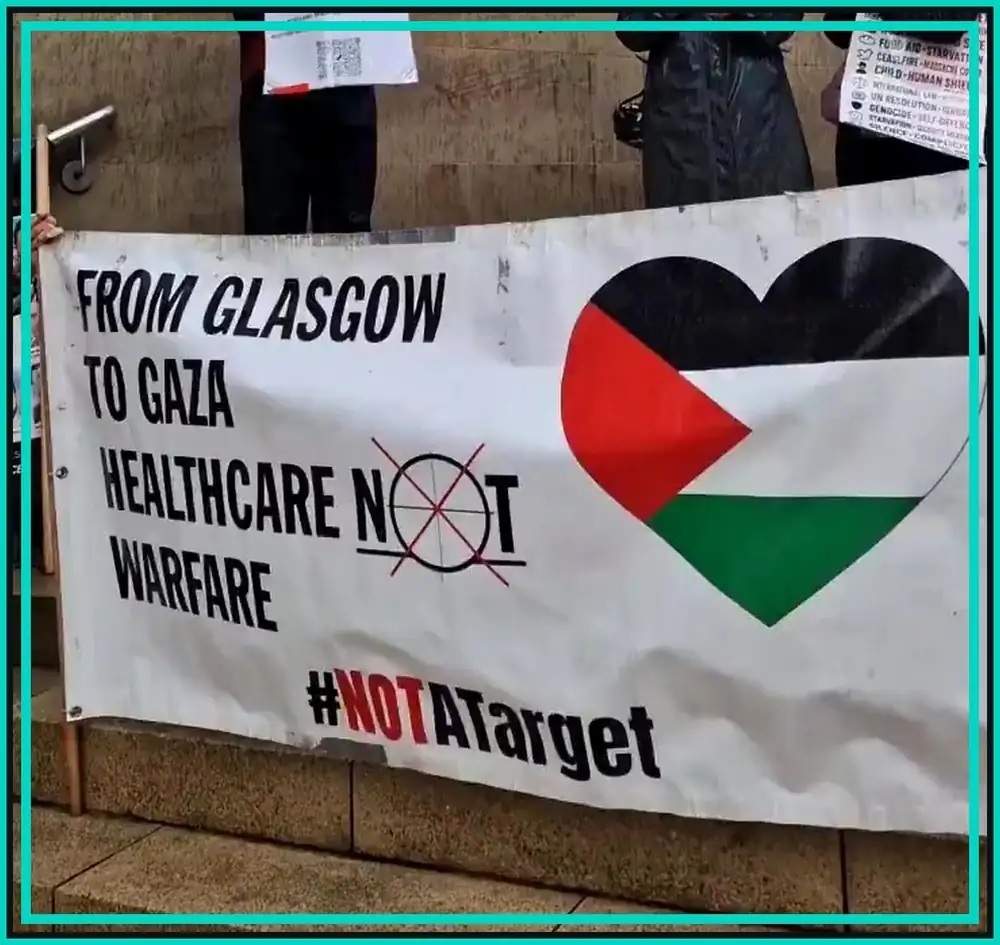
Physicians outside the hall have already chosen. A June petition with the People’s Health Movement, Artsen voor Gaza, and the health wing of Jewish Voice for Peace asked the World Medical Association to suspend the Israeli Medical Association for failing the Declarations of Geneva and Tokyo. Middle East Eye reported more than 1,300 signatories. By September, Dutch doctors said they carried 5,628 signatures to the KNMG, with a banner listing about 1,800 Palestinian health workers killed. The host association called police on the handover. Organisers called another gathering at Rotterdam’s World Trade Center on 10 October.
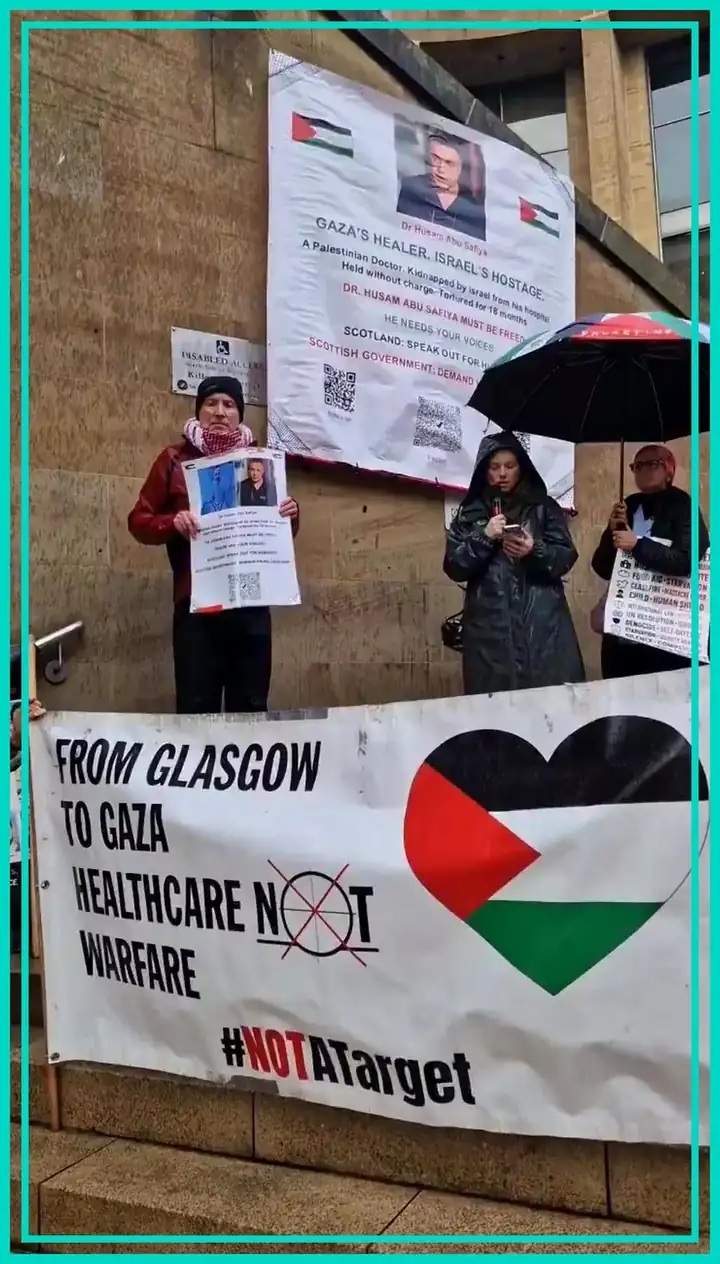

Membership is how the Israeli Medical Association borrows an ethical brand while Palestinian doctors sit in solitary. A body that will not oppose the killing of health workers, the demolition of hospitals, or the jailing of named colleagues is not a bystander. Associations that shut the door on members carrying a petition for these same prisoners show how practiced that silence is.
What a white coat is worth when delegates go home
Rotterdam can follow lines the World Medical Association has already signed. Demand the release of the physicians in the July annex, including Abu Safiya, Obeid, and al-Rantisi, or charges in a court people can watch. Require medical access, an end to solitary confinement, and Istanbul Protocol exams. Investigate attacks on care in Gaza and the West Bank and publish the findings. Vote on the Israeli Medical Association’s membership instead of another letter to the prime minister holding the prisoners.
Health workers are not lawful targets, and refusing to leave a ward does not make them unlawful combatants. Either the coat counts in Kamal Adwan Hospital and in Ramallah, or the declarations of Geneva and Tokyo are local habits. The test is whether anyone leaves Rotterdam still treating Israel’s prisons as a subject apart from medicine. The longer record sits in reporting on catastrophic conditions in Gaza and across the news file at The AEGIS Alliance.