Qatar, Egypt, and Jordan Called Israel’s Dawn Raids a Ceasefire Breach After Gaza Hospitals Counted 31 Dead

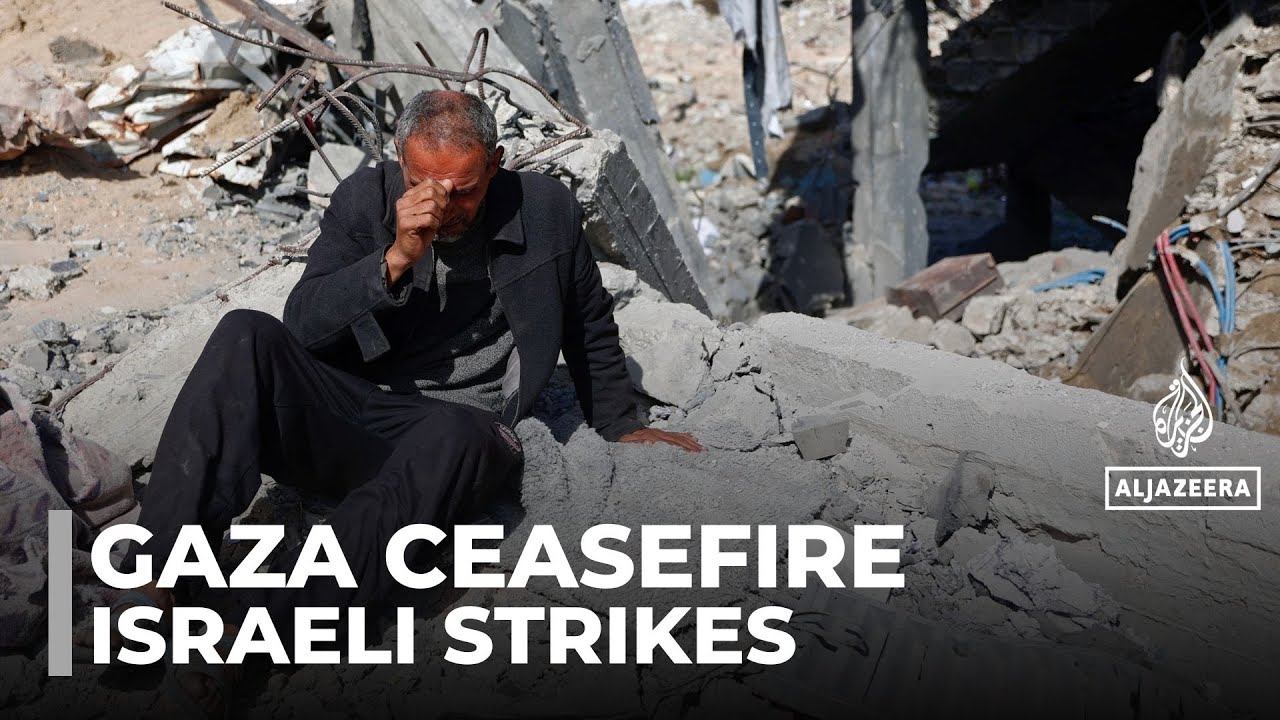
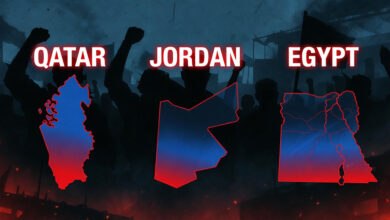
31 de Janeiro de 2026, era suposto ser o dia calmo antes de um portão abrir. Rafah, Gaza atravessando para o Egito, estava no calendário para a manhã seguinte, o primeiro teste real de se uma trégua dos Estados Unidos assinado em 10 de outubro de 2025, poderia mover pessoas e medicina em vez de falar de pontos. Os aviões israelitas e o fogo no solo passaram o amanhecer a fazer outra coisa. Hospitais em Gaza e Khan Younis receberam os mortos e os queimados. Al Jazeera closed its live file at 31 Palestinians killed, including six children. Newsweek put the toll at least at 30, one of the highest single-day counts since the October paper. Qatar, Egypt, and Jordan did not call it a clash. They called it a ceasefire violation.
Mediadores não usam essa palavra contra o governo que eles precisam para a fase dois, a menos que a ficção tornou-se impossível de vender em casa. O Cairo mantém o portão Rafah. Doha detém o canal político que Washington finge não ver até que apareça uma lista de reféns. Amã carrega a política de um vizinho já moldada por gerações de refugiados palestinos. Quando essas três capitais falam juntas, estão a proteger a última alegação de que ainda podem fazer um acordo. Uma manhã de 31 pessoas faz essa afirmação parecer papel de jornal. Israel descreveu os mortos como comandantes e os ataques como uma resposta ao Hamas. Os corpos que chegaram ao Hospital Nasser de um acampamento em Khan Younis, sete deles depois de um incêndio, não lê como um anexo cirúrgico. Eles lêem como um genocídio que manteve seu avião depois que mudou o cabeçalho.
A police station, a tent, and a crossing on tomorrow’s calendar
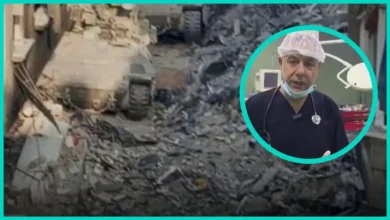
A geografia da manhã é o argumento. Na cidade de Gaza, greves atingiram edifícios, incluindo a delegacia de polícia de Sheikh Radwan. Os médicos de al-Shifa descreveram um ataque separado perto de Abbas Junction que matou membros de uma família e rasgou a rua ao seu redor. No sul, o Hospital Nasser levou o acampamento morto. A polícia civil e as famílias deslocadas não são um depósito de armas. Matá-los no dia anterior ao Rafah é como um exército de ocupação conta a duas audiências duas histórias diferentes. A mesa mediadora ouve "fase dois". A rua ouve que uma trégua é uma pausa na papelada, não no assassinato.
O Ministério das Relações Exteriores do Egito condenou o que chamou de violações israelenses recorrentes e disse que pelo menos 25 palestinos haviam sido mortos, avisando que a Strip estava sendo transformada em um tinderbox. O ministério do Catar, realizado pelo Notícias Árabes, said the breaches produced fatalities and injuries, threatened the political track, and undercut efforts to build any safer ground for Palestinians. Jordan’s spokesperson, Fouad Majali, called the raids a blatant breach and a dangerous escalation. He asked for the ceasefire text to be obeyed, for aid to move without a checkpoint theater, and for a political horizon that still means a Palestinian state on the June 4, 1967, lines with East Jerusalem as its capital. That is not a slogan. It is the Arab Peace Initiative said out loud by a government that helped write the truce Israel was already shooting through.
The next day the circle widened. Foreign ministers of the United Arab Emirates, Türkiye, Egypt, Jordan, Indonesia, Pakistan, Saudi Arabia, and Qatar issued a joint note that did not hide behind a single morning. They condemned repeated Israeli violations that had, in their count, killed and injured more than a thousand Palestinians since the October announcement. They tied the complaint to the second phase of President Donald Trump’s plan and to Resolução do Conselho de Segurança da ONU 2803. Indonesia’s foreign ministry put the January 31 strikes in its own sentence: attacks on civilian areas and public facilities, a violation by a party that had signed the paper. A ceasefire that requires eight capitals to scold one army is not a ceasefire. It is a press strategy with a body count.
The truce that kept producing graves
On April 10, 2026, UN Human Rights Chief Volker Türk said Palestinians across the Strip were still unsafe six months after the announcement. His office counted at least 738 Palestinians killed by Israeli forces since the ceasefire took effect, and more than 2,000 wounded. “It is hard to square this with a ceasefire,” he said. By June, Gaza’s health ministry told NPR the post-truce death toll had passed 1,000. The wider war’s ledger, already past 71,000 Palestinian dead in tallies published in late 2025, did not freeze when the stationery changed. It kept a daily column.
Israel’s answer does not change shape. Hamas is reconstituting. Hostages remain. The army will hit what it wants. That paragraph does not explain children in the January 31 lists, or police officers standing at a station on a logistics morning, or why a state that needs Rafah open for the photograph also needs a bomb run on the same calendar. A government managing two audiences is not confused. One audience is Washington and the mediator hotels. The other is a domestic politics that treats Palestinian death as proof of resolve. Genocide scholars, South Africa’s case at the International Court of Justice, and a lengthening list of states have already applied the legal word to a campaign that erased families, universities, hospitals, and ordinary municipal life while American munitions kept moving. The AEGIS Alliance uses that word because the record supports it, not because a headline needs heat.
The same winter Israel was pushing international aid groups toward a shutdown over staff lists those groups refused to hand over. The file on that registration ban is the logistics half of the January raids. Shrink the number of foreigners who can count bodies. Keep the aircraft. Promise the crossing. Bomb the neighborhood that would have used it. Israeli units had already been documented committing gross human rights violations in this war. The police-station strike sits in that ledger.
Why the mediators cannot save a paper the jets ignore
Each dawn strike teaches the same two lessons. Palestinians learn that the document does not stop the jet. Israeli cabinet politics learns that the document does not restrain the jet either. The United States can keep naming phases, boards, and plans. The graves in Sheikh Radwan do not attend the meetings. On August 6, 2026, the complaint returned with medical infrastructure at the center. Ministers from the UAE, Qatar, Jordan, Indonesia, Pakistan, Türkiye, Saudi Arabia, and Egypt, in a declaração conjunta, condemned ongoing Israeli violations, especially attacks on health facilities, and said the continuation breached both international humanitarian law and the plan that was supposed to end the war. They asked the Security Council to compel compliance with Resolution 2803 and to hold people responsible. Statements are what mediators have when they will not walk away.
Readers who want the cost without diplomat vocabulary should read the file on Saleem al-Ashqar, the Khan Younis goalkeeper shot while looking for cooking gas for his pregnant wife, and the comparison of Israel’s Lebanon raids to the model tested on Gaza. Earlier reporting on gunfire at food sites e sobre condições catastróficas under a previous truce language shows the pattern is older than January 31. The secretária internacional e a politics desk will keep the gap between the ceasefire text and the aircraft in the same sentence.
A ceasefire is the day the killing slows enough to count the living. January 31 was the day three Arab capitals admitted they could not sell that sentence, and February 1 was the day five more governments signed the same admission. Rafah was on the calendar. The dead were on the ground. The planes went home. The statement was all the mediators had left to throw at a war that had learned it could keep the truce and the genocide in the same week.