Chinese Hackers Borrowed Former White House Science and Tech Expert’s Name to Phish Inboxes Writing America’s AI Export Rules

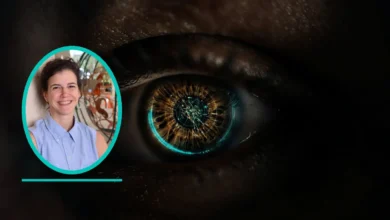
La casella di posta che elabora una frase di controllo delle esportazioni è un premio più tranquillo di un mucchio di pesi modello, e questa è la casella di posta che un equipaggio allineato in Cina è andato dopo. Inizio 8 luglio 2026, Proofpoint later reported, un gruppo che traccia come TA419 ha aperto credenzialial phishing prendendo in prestito Lynne Edwards Parker, descritto lì come l'ex vice direttore principale del White House Office di Politica scientifica e tecnologica. La stessa corsa ha poi preso in prestito Heidi Crebo-Rediker, un economista la cui carriera si svolge attraverso il Dipartimento di Stato e il Comitato Relazioni Estere Senato. Le note non hanno chiesto il codice sorgente. Hanno chiesto alla gente politica di unirsi a una conversazione.
Proofpoint chiama TA419 spionaggio-motivato e Cina-allineato, e dice che il 1 ottobre 2026 scrittura è stato il primo rapporto pubblico sul gruppo. Ha guardato TA419 phish persone negli Stati Uniti e giapponesi think tank, difensori, università e studi legali da almeno aprile 2025. Reuters reported the same day che l'onda di luglio ha raggiunto meno di 10 persone, tra cui specialisti sulla regolazione dell'IA, controlli delle esportazioni e strategia nazionale. L'etichetta cinese è la valutazione di Proofpoint da infrastrutture e targeting. Reuters ha notato che l'ambasciata cinese non ha commentato e che Pechino nega cyberespionage. Non e' una ricerca del tribunale.
Why the borrowed biography had to match the ask
I messaggi di luglio sono stati scritti per sembrare un favore tra colleghi. Una versione invitava il destinatario ad un "Comitato consultivo per la politica dell'AI". Un'altra richiesta di aiuto per una relazione della commissione per le relazioni esterne del Senato sui controlli all'esportazione dell'IA e filiere. Aiuto Net Security relayed conto di Mark Kelly che l'e-mail di apertura non ha portato alcun collegamento dannoso. L'esca era la risposta. Solo dopo che qualcuno ha scritto indietro ha fatto un indirizzo web abbreviato arrivare, promettendo più materiale e camminando attraverso reindirizzamenti in un login cloud contraffatto.
Il record di Crebo-Rediker è il motivo per cui il secondo nome si adatta. Era il primo economista del Dipartimento di Stato negli anni di Obama, era stato il capo della finanza internazionale per il Senato Relazioni Estere Comitato, ed è un compagno senior Al consiglio delle relazioni estere. Una richiesta di aiuto con un Senato carta sui controlli di esportazione è una nota che la carriera avrebbe generato. Il nome di Parker ha fatto il lavoro parallelo per un comitato consultivo. È una robotica, fondatrice del National Artificial Intelligence Initiative Office, e, nella formulazione di Proofpoint, ex direttore principale della scienza ufficio.
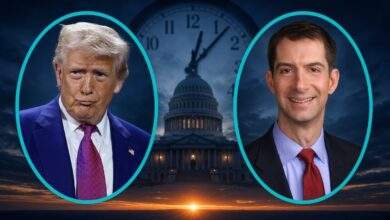
L'amministrazione Trump aveva già pubblicizzato la persona. Il 22 dicembre 2024, Donald J. Trump ha nominato direttore esecutivo di Parker del Consiglio dei Consiglieri del Presidente su Scienza e Tecnologia e consigliere al direttore dell'Ufficio della Politica della Scienza e della Tecnologia. Michael Kratsios doveva dirigere quell'ufficio, e David Sacks, che Trump ha chiamato "AI e Crypto Czar", era quello di presiedere il consiglio. L'annuncio, carried by Politico e described by Science, ha promesso una "Golden Age of American Innovation" e "il dominio tecnologico dell'America," stapling un pannello scientifico a un campo di criptovaluta. Quel branding ha consegnato un impostore successivo un titolo di comitato che già suonava ufficiale. Le persone che progettano il linguaggio di controllo delle esportazioni stavano ancora lavorando nella posta ordinaria di Microsoft 365. La Casa Bianca ha venduto i nomi e ha lasciato le caselle di posta facili da phish.

Heidi Crebo-Rediker’s State Department and Senate Foreign Relations background matched the AI export-control report lure.
Reuters ha identificato un destinatario come Alex Engler, un ex funzionario della Casa Bianca che ora dirige il Centro Universitario della Pennsylvania su Media, Tecnologia e Democrazia. Engler ha detto il messaggio, che lo ha invitato "per unire un nuovo progetto di politica dell'AI", "si è sentito leggermente, nebulosamente fuori." Si rese conto che era un impostore dopo aver controllato con altre persone. Parker ha detto a Reuters che era una delle due persone che sapeva di chi aveva ricevuto la posta che pretendeva di venire da lei all'inizio di luglio. Ha anche detto, "Gli Stati Uniti e la Cina sono in una competizione intorno AI. Cercare di ottenere le persone nello spazio politico dell'IA per rivelare informazioni sui loro piani di politica dell'AI — se questo era effettivamente ciò che l'obiettivo era — non è sorprendente».
A small list is the point, not a consolation. Criminal kits spray tens of thousands of inboxes and still function as a business. In December 2025, The AEGIS Alliance reported on the arrest tied to RaccoonO365, un servizio costruito per rubare Microsoft 365 sessioni a volume. TA419 ha puntato la stessa classe di furto in una stanza che si adatta intorno ad un tavolo. L'obiettivo non era un file modello. Era il filo in cui viene ancora scritta una regola di esportazione.
What the fake OneDrive page took from a Microsoft 365 login
Proofpoint’s account, written for defenders and not as a build guide, describes two stages. The first July domain, driftshare[.]co, showed a fake OneDrive screen behind a Cloudflare Turnstile check. A second domain, globalfileshareplatform[.]com, hosted the adversary-in-the-middle page, using a customized browser-in-the-browser kit known as Frameless BitB and an Evilginx phishlet for Microsoft 365. The page relayed the real Microsoft sign-in, including the one-time code, so the password and the second factor were typed where an operator could watch.
Scripts on the page drew a file listing and a fake browser window, accepted “Keep me signed in” without the user, and submitted a one-time code after it checked out. The login still succeeded at Microsoft. What the operator kept was the password, the multi-factor code, and the session cookies that mark a Microsoft 365 user as already signed in. Microsoft has described that pattern for years. A copied cookie means the second factor is not asked again.

Proofpoint described a counterfeit browser layered over a OneDrive-style share that relayed the real Microsoft sign-in.

That 16 July 2026 talk by Evilginx developer Kuba Gretzky covers credential-relay kits and attempts to weaken phishing-resistant sign-in. It is not a briefing on TA419. It shows the same family of tool Proofpoint says this crew customized.
Domains sat behind Cloudflare and were often registered through NameSilo as file-share brands such as quickfly[.]online, cirrushare[.]co, and winsync[.]cloud. Others impersonated institutions, including tw-koryu[.]org, the misspellings heritiages[.]org and heritiage[.]org, and shinjirou[.]info. Some 2026 messages used a self-signed certificate that named a fictitious Kansas town, Millsstad, and a firm called Castro Inc. Others went out through residential proxies.
A February lure about military integration of Claude
July was not the first AI impersonation from this group. In February 2026 TA419 posed as a senior Anthropic employee and wrote an AI policy analyst at a United States think tank. The subject line was “Request for Feedback on Military Integration of Claude,” aimed at the fight over military use of Anthropic’s models. The shape matches the summer mail: a believable name, a live dispute, and no login page until someone replies.
Proofpoint has described a separate China-aligned actor, UNK_SweetSpecter, in earlier reporting on the SugarGh0st tool used against organizations that build generative AI. That work chased the labs. TA419’s 2026 mail chased the people who write the rules those labs live under, and Proofpoint also notes China-aligned interest in the semiconductor and rare-earth supply chains under the same models.
One suspicious feeling will not protect the next inbox
Engler noticed something slightly off, then checked with other people. That worked once, for someone who already knew Parker’s world. It does not travel to a junior analyst flattered by a committee that sounds official. The first email was clean on purpose, so many gateways had nothing to detonate, and the malicious step waited until a real-looking conversation had started.
Selena Larson of Proofpoint, speaking on 22 September 2026 with SiliconANGLE’s theCUBE, discussed how generative tools change the look of social-engineering mail. That segment is not about TA419. It is the wider problem around this incident. A note can be grammatical, specific, and still be a lure, so broken spelling is a weak defense for a policy shop.

The 1 October writeup is direct. “TA419 has consistently shown an interest in defense, national security, energy, international relations, and foreign policy targets, predominantly with a nexus to the US and Japan,” it says. “The targeting of AI policy experts represents an extension of that remit rather than a departure from it.” Proofpoint assesses that TA419 “will likely continue targeting think tanks and policy experts working on technologies, and in geographies, of particular interest to the Chinese government,” and that “these campaigns will likely also continue spoofing the identities of real subject-matter experts.”
Passkeys are the control that matches this phish
A one-time code did not stop the July pages. The code was typed into a relay of Microsoft’s own prompt, and the resulting session stayed with the operator. Proofpoint tells organizations in this target set to use phishing-resistant, origin-bound sign-in such as passkeys, which are bound to the real site and do not hand a password-and-code pair to a lookalike. It also tells individuals to treat a surprise note from a famous specialist as a pretext and to check it on a channel the sender did not pick.
A passkey will not rescue a thread already copied. What it changes is the next reply. The papers worth taking here lived in ordinary cloud mail, not a classified enclave, written by people who draft AI export-control language. Hacker News e Notizie internazionali coverage has followed the high-volume version of the same theft, including a March 2026 Microsoft warning about impostor mail. TA419 is the boutique version: fewer than 10 inboxes, chosen for what those people were about to write. Crebo-Rediker’s biography is on the Council on Foreign Relations site, and more of this lane is filed under News at The AEGIS Alliance.