Lee County Jury Convicts Adrian Dabney on Child Sex Crimes as Life Without Parole Hangs on the Top Count


A Lee County jury spent a week in an Opelika courtroom doing the work the statute already described in plain language. On October 24, 2025, jurors convicted Adrian Dabney of sexual abuse of a child less than 12, first-degree attempted rape, and first-degree sodomy. The child was six years old. District Attorney Jessica Ventiere said the verdict was for the most vulnerable people in the county.
Because of the child’s age, prosecutors said the first-degree sodomy count carries life imprisonment without parole. Sentencing on the remaining counts was set for a later date. Dabney was held at the Lee County Detention Center and will have to register as a sex offender for life. He is no longer presumed innocent on the counts of conviction.
The AEGIS Alliance is not publishing graphic trial detail. The public facts that matter are the charges, the child’s age, the investigative path, and what the sentence is designed to do.
How Opelika built the file
Opelika police opened the case on abuse that occurred in June 2022. Investigator Elijah Pugh led the work. Senior Assistant District Attorney Madison Grantham tried it. The family stayed mostly out of camera range with advocates from the DA’s office.
That two-year gap between the offense window and the verdict is not unusual in cases involving a very young child. Forensic interviews, medical exams, and charging decisions take time. So does a jury trial that has to prove each element without turning the courtroom into a second injury. Alabama’s code treats these felonies at the top of the chart for a reason. Sexual abuse of a child under 12 under Section 13A-6-66 runs 20 years to life. The sodomy count, as charged here, is the one Ventiere’s office flagged as life without parole.
Local outlets including ABC 33/40 and the Opelika-Auburn News carried the office’s announcement the next day. The Lee County District Attorney’s Office posted the same charging list and the same life-without-parole warning.
What a later sentencing date still decides
Life without parole on the top count is not the end of the calendar. Judges still impose terms on the remaining convictions. Those terms can run concurrent or consecutive. They can matter if an appeal ever knocks out a single count. They also matter for the official record that follows a defendant through the Department of Corrections and the sex-offender registry.
Alabama’s registry is not a rumor mill. It is a statutory scheme with address rules, reporting deadlines, and criminal penalties for slipping them. A life term does not make those rules theoretical. It makes them a permanent part of the file if the conviction stands.
Appeals in child-victim cases often attack evidence rulings, the sufficiency of a child’s statements, and jury instructions. None of that is a prediction. It is the ordinary path after a high-stakes verdict. Until an appellate court says otherwise, the jury’s work is the law of this case.
Lee County’s message and the limits of a press release
Ventiere called the result a message that the county will not tolerate abuse of minors. Opelika police and the sheriff’s office praised the joint investigation. The year already included other child-victim convictions from the same office.
Press releases are not a substitute for prevention. They are a snapshot of what happened after a child was already harmed. The more useful public document is the intake path: who a neighbor, teacher, or relative calls when something is wrong, and whether that call is treated as an inconvenience.
Anyone who needs to report suspected abuse in Alabama can use the Child Abuse Hotline at 1-866-728-3224, the Lee County Sheriff’s Office at (334)*******51, or Opelika detectives at (334)*******20. Tips can be anonymous through the Opelika Police app. National lines include RAINN at 1-800-656-4673.
Why local verdicts still belong in a national file
A six-year-old victim in a mid-sized Alabama county does not generate the same cable-news cycle as a celebrity case. That gap is exactly why local dockets matter. Most of the country’s child-sex prosecutions happen in rooms like the one in Opelika. They are built by municipal investigators, tried by assistant district attorneys, and decided by jurors who shop at the same stores as the family.
The AEGIS Alliance has spent years documenting both sides of that system: the cases that end in a conviction, and the institutions that look away until a filing or a task force makes looking away expensive. Related reporting includes the sentencing of an Alabama tennis coach who used access to children as the crime scene, the Operation Bad Santa sweep in New Jersey, and the Operation Guardian arrests in Snohomish County. Those stories are not this defendant. They are the pattern of how slowly a system moves until it finally files a charge.
The same archive covers failures inside lockups and youth programs, including a Spokane County juvenile-detention lawsuit that treats the employer as the defendant after the named guards died. Readers who want the wider stream can start with the crime news and US news categories.
What life without parole is supposed to do
Alabama’s legislature did not invent life without parole for this one file. The point of the statute is incapacitation. A defendant convicted of a first-degree sex offense against a child that young is removed from the civilian population for the rest of a natural life. Rehabilitation programs inside a prison do not change that math on the top count as charged.
Critics of mandatory life terms argue that juries should retain more sentencing discretion. Supporters argue that a six-year-old victim should never have to wonder whether the person who harmed them will live on the same street again. This verdict sits inside that argument. It does not resolve it. It applies the code that Alabama’s elected lawmakers already wrote.
The remaining human work is quieter. A child still has to grow up. A family still has to sit with a trial that made private facts public. Advocates in the DA’s office exist for that reason. So do counseling services that never appear in a charging document.
The record after the cameras leave
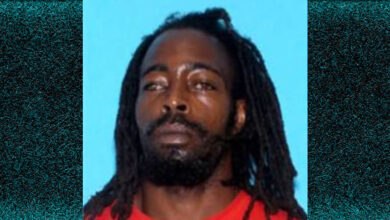
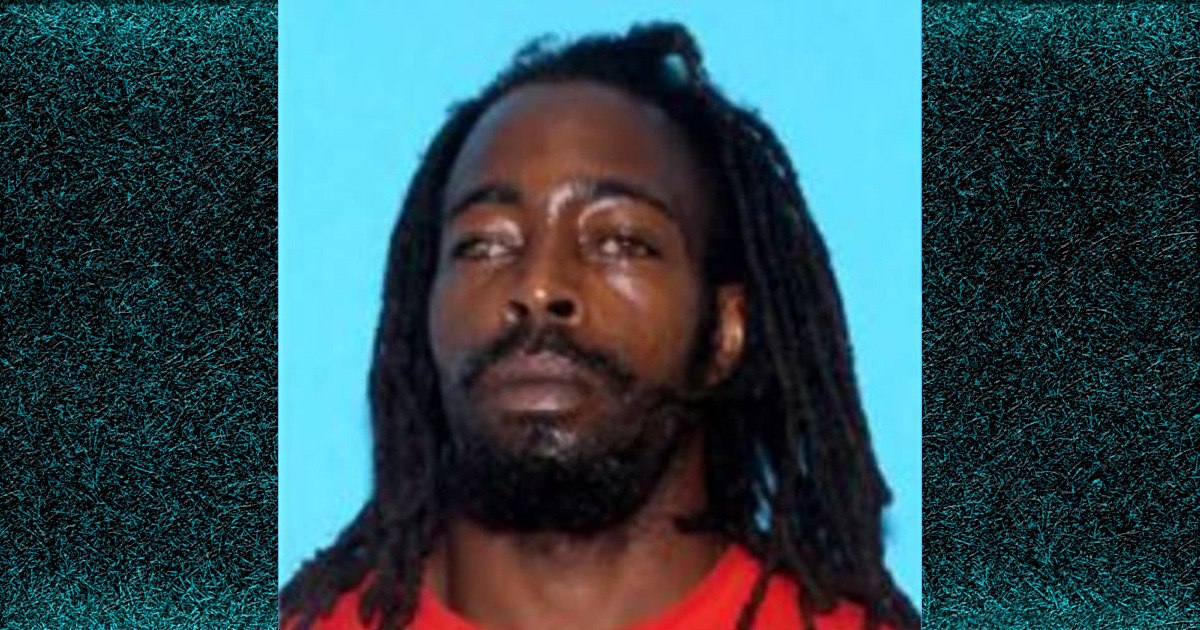
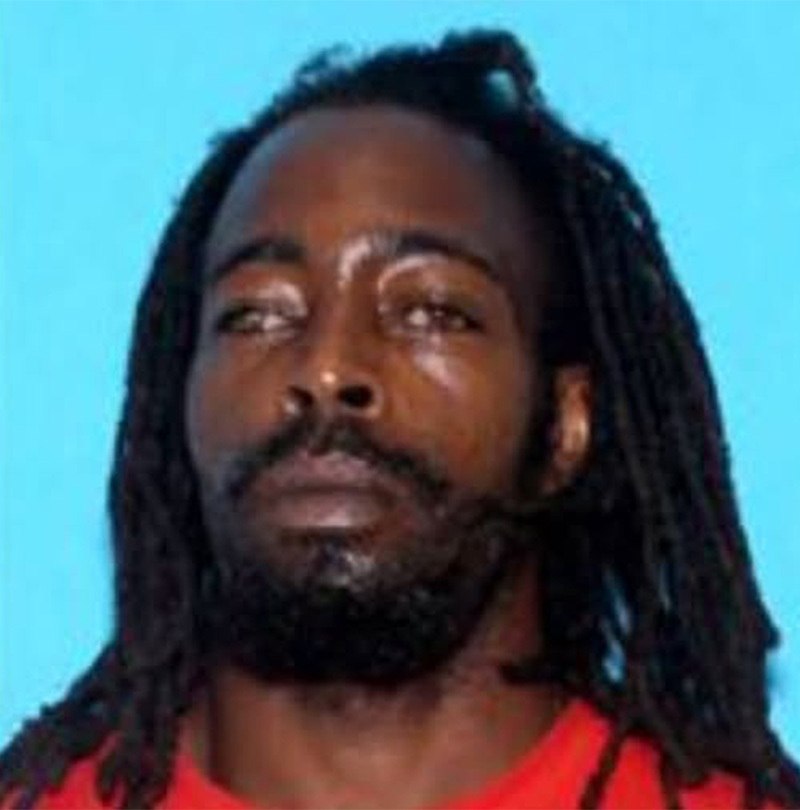
Mugshots travel farther than sentencing memos. That is a problem for accuracy. The image attached to this file is a booking photograph released by prosecutors. It is not a biography. It is not a finding on any charge other than the ones a jury already decided.
Public records after a conviction should be treated the same way. Registry listings, Department of Corrections placements, and any later appellate opinion are the documents that update the story. Social-media recirculation of the mugshot is not.
The AEGIS Alliance will note the sentencing date on the remaining counts when the clerk posts it, and will note any notice of appeal. Until then, the operative facts are simple and grim. A Lee County jury convicted Adrian Dabney of three child-sex felonies involving a six-year-old. Prosecutors say the top count is life without parole. The registry obligation is permanent. The reporting lines in this article remain open for anyone who still has something that needs to be said to police instead of to a comment thread.