A Scarred Steller Took Pier 39’s Dock, and the Harbormaster Says the Marks Prove It Is Not Chonkers

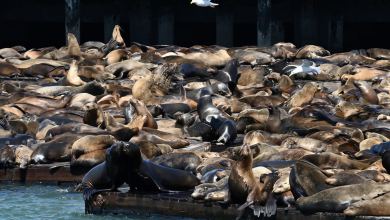
Pier 39 trascorse la primavera del 2026 insegnando ai turisti un nome. La caduta insegna loro che il nome era una specie. Mercoledì 23 settembre, un leone marino di Steller, lungo circa 10 piedi, si è mosso sulle banchine galleggianti del Fisherman's Wharf, barcollato su un tappeto di leoni di mare della California, e si è staccato la stessa domanda che il lungomare ha fallito tutto l'anno: è che Chonkers? Il capitano Sheila Chandor e l'Accademia delle Scienze della California dicono di no. Il nuovo animale è più piccolo. Le cicatrici non corrispondono. Sue Pemberton, che lavora il programma di infilamento mammifero marino dell'accademia ed è stato sul molo per 41 anni, ha detto a KRON4 questa è la prima volta che ha visto questo molti Steller visite al Pier 39. Il cibo che lei e Chandor hanno entrambi puntato non era una celebrità misteriosa. Era sardine nel porto.
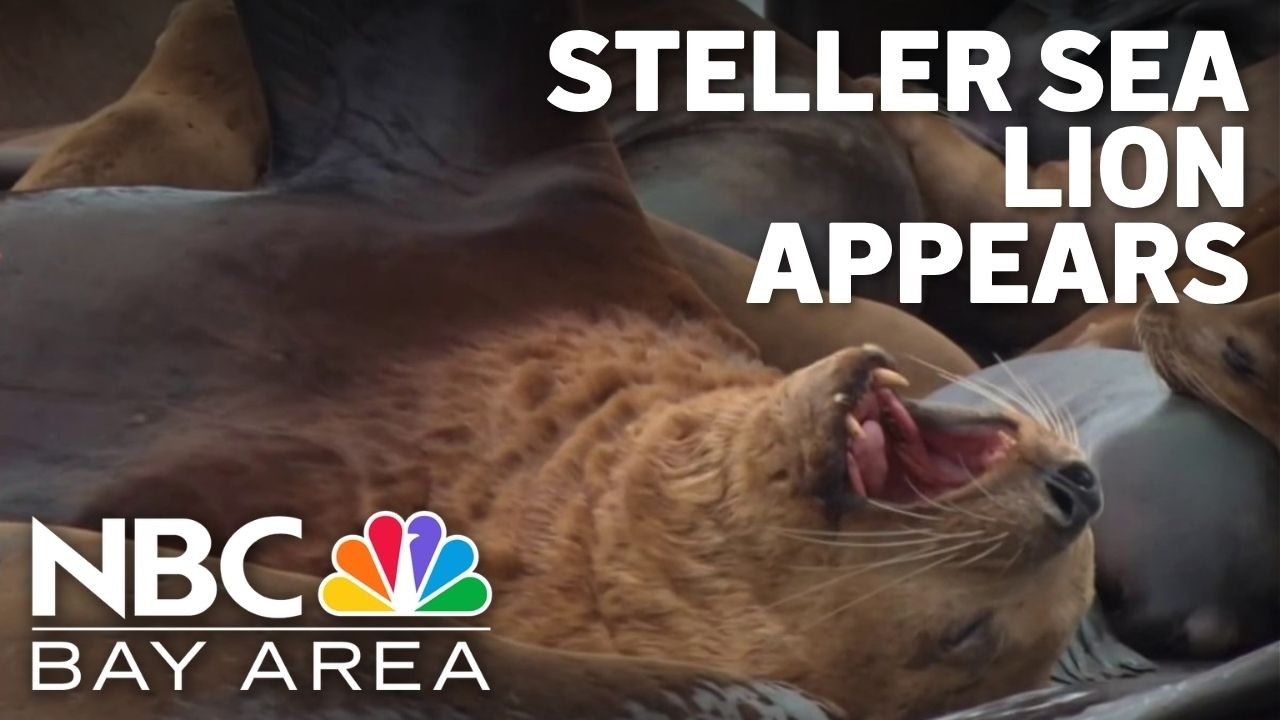
Chonkers è ancora il popolo animale venuto per. È un Steller, una specie diversa dai leoni marini californiani che hanno posseduto K-Dock dal terremoto di Loma Prieta svuotato le scivole nel 1989. Adulto maschio Stellers può correre circa 11 piedi e fino a 2.500 sterline. Un grande uomo californiano al molo è più vicino a 700 o 800 sterline, e il più grande di quella specie è circa 1.000. Chandor ha detto che Chonkers di solito passa attraverso circa ogni due anni e rimane qualche giorno. Il personale soprannominò la routine "Morning Glory", perché tendeva a mostrare tra le 7 e le 9 del mattino, poi rotolare a pesce. Il Marine Mammal Center di Sausalito iniziò un registro il 13 marzo 2026, il giorno in cui arrivò con un giovane Steller che partì dopo pochi giorni. Il video di Pier 39 di quella mattina e' andato largo. Un filo di San Francisco Reddit ha fornito il nome, un gioco su "conky". Il Wall Street Journal in seguito descrisse una folla di più di cento persone che lo guardavano in un solo aprile pomeriggio. Le stime lo hanno messo vicino a 2.000 sterline. "E ' letteralmente il doppio delle dimensioni del più grande leone del mare della California che si può vedere là fuori," Chandor ha detto ABC7 durante il soggiorno. Quando è caduto sul legno, i testimoni hanno paragonato il suono a una quercia che scende.
He Left in May. The Impostors Started in September.
Il lungo soggiorno durò circa sei settimane, all'inizio di maggio. Il centro ha detto ai giornalisti che non era stato visto al molo da circa maggio 1. Il 4 maggio un grande animale disegnava telecamere e non era lui. Sue Muzzin, vice presidente delle pubbliche relazioni di Pier 39, guardò le cornici e disse così. Adam Ratner, direttore dell'impegno di conservazione al Marine Mammal Center, è andato oltre: quel particolare stand-in non era affatto un Steller. Era un leone di mare della California maschile molto grande indossando l'illuminazione di una celebrità. Il sindaco era stato alzato. Segni al molo ancora pubblicizzato un ospite che aveva già swum off, possibilmente verso il cibo, possibilmente verso un compagno. Gli Eastern Stellers sono più spesso contati in Alaska e British Columbia. San Francisco è un viaggio laterale, non un indirizzo di casa.
On Thursday, September 3, another enormous Steller took a dock for a day. Staff looked hard, decided he was not Chonkers, and informally named him the Beefy Buddy. Muzzin said they had “definitely” seen him that Thursday and had not seen him Friday. “Not that this guy is small,” she said. Chandor has described 2026 as the year with more Steller traffic than any she can remember, and she has been the harbormaster through a lot of anchovy seasons. One theory floated by spotters is that the juvenile who arrived with Chonkers in March could be one of the autumn returnees. Nobody has a tag that proves it. Stellers are not microchipped tourists. They are scars, size, and a lighter coat, and then they are gone.
The September 23 animal reopened the argument in public. ABC7 and KRON4 filmed a 10-foot Steller flexing among the California herd. Academy scientists and the harbormaster again used scarring to rule Chonkers out. Pemberton’s line is the one that changes the story from a mascot to a food report: “I’ve been here on the pier working here for 41 years. This is the first time we’ve had this number of visitations from Steller sea lions on Pier 39.” Chandor tied the visits to bait in the marina. “We have a lot of sardines in the marina right now, swimming around. So there’s some good food source here. But this is unusual for us.” The Farallon Islands, about 30 miles west of the Golden Gate, are a real Steller haul-out. A sardine school inside the breakwater is a reason to take the extra miles into a tourist harbor. It is the same reason Chandor read Chonkers’ long spring stay as a health certificate for the bay. “The fact that he’s staying this long means that there’s a lot of food source close by. It’s a good sign. It means the bay is healthy.”
The Dock Was Already a Record Before Any of Them Had a Nickname
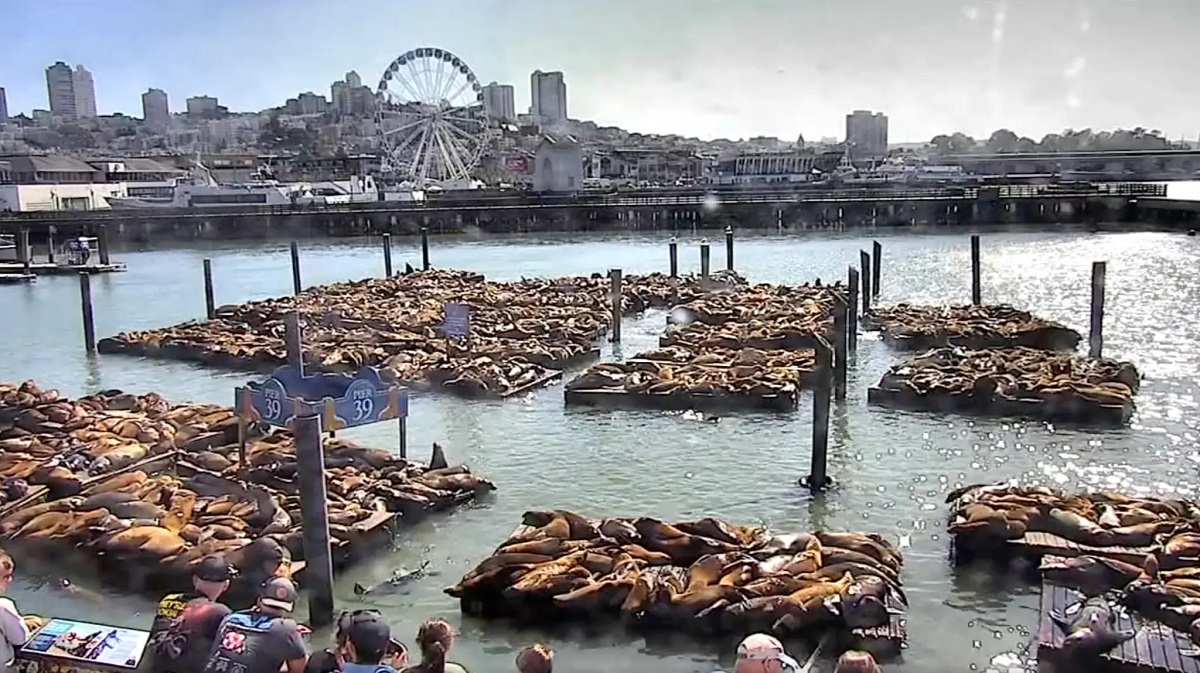
K-Dock was built for a few hundred California sea lions and a lot of phones. In the spring of 2024 it held a census instead. Chandor counted about 1,000 animals in late April, the most in roughly 15 years. By May 30, World Sea Lion Day, the pier’s own tally had passed 2,000. The peak, in May and June, was more than 2,100. The previous all-time mark was 1,701, set in November 2009, right before that colony vanished around Thanksgiving and left the barges looking empty. Tourist Les Oakes told KPIX he had “never seen this many sea lions in one place before,” and compared the pile to “a bunch of kids vying for a big spot on the couch.”
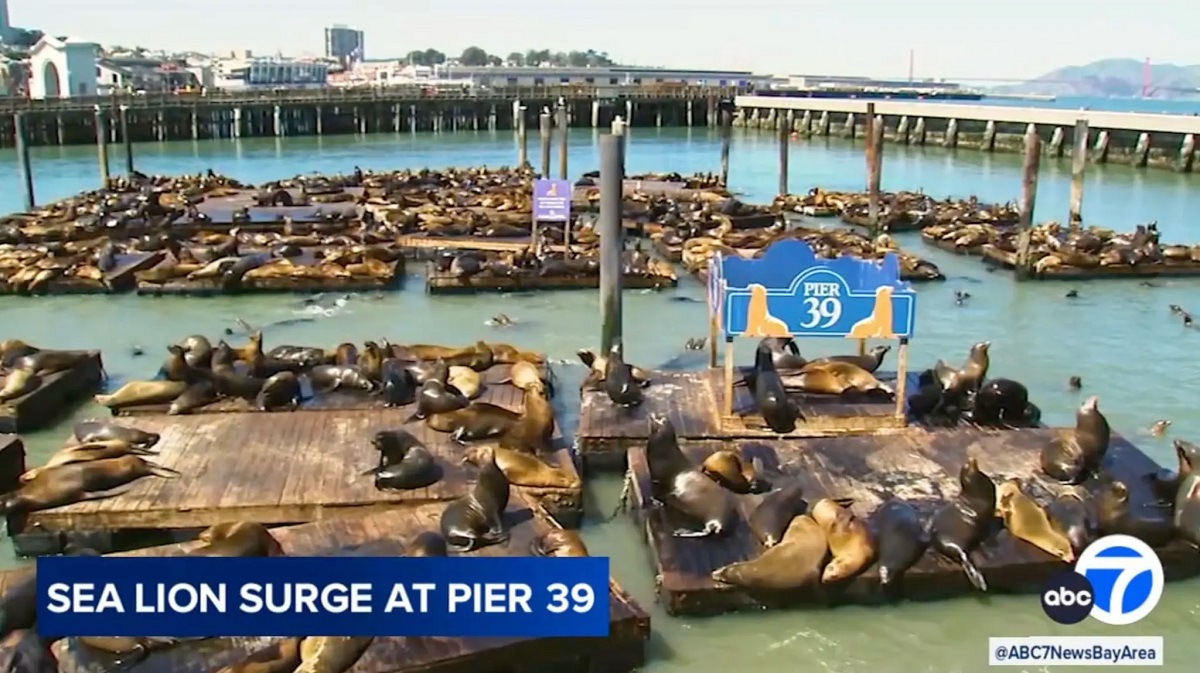
The 2024 cause was anchovies moving in from the Farallones, not a branding campaign. California sea lions eat them the way people eat fries. Ratner called it “that dinner bell that’s ringing and all the sea lions are coming in enjoying that feast.” They were putting on weight before the run south toward Channel Islands breeding grounds. Chandor, watching the barges sag, said it looked “like a National Geographic photograph right now.” The September sardines are a second bell, rung for a heavier species. Anchovies filled the dock with the locals. Sardines are what make a 2,000-pound visitor from colder water decide a San Francisco marina is worth the swim.
An Empty Slip, an Earthquake, and a Law That Kept the Wood
The colony is an accident with a date. In 1989, boats were pulled from their slips for a remodel. Then the Loma Prieta earthquake hit in October. Sea lions moved onto the empty wood. Business on the waterfront was dead. The animals were not. “They just started to multiply, and they really and truly saved us,” Chandor has said. “We were dead. No one was coming to the city.” The bay still offers fish and a partial break from white sharks and orcas. The Marine Mammal Protection Act of 1972 makes it illegal to harass them. The Marine Mammal Center’s practical rule is 50 feet. A record count and a parade of Stellers are what a recovered population looks like when the bait fish cooperate. They are not a permit to climb the dock for a selfie. A 2,000-pound animal that sounds like a falling tree when he lies down is also a crushing hazard, which is why the pier’s barges were engineered for weight in the first place.
Pier 39 still runs a year-round sea lion webcam. Mornings and late afternoons are the honest hours, the same window Chonkers preferred. The 2,100 figure from 2024 is still the number on the pier’s own page. The webcam will not settle the scar comparison. That takes a harbormaster who has watched the same dock since the earthquake and a stranding biologist who has spent four decades learning which animal is which. Until Chonkers’ marks show up again, the throne is a rotation: Beefy Buddy for a day, a scarred 10-foot bull on September 23, and a few hundred California sea lions who never left. The viral name was a single male. The biology is a food web that keeps cashing the same check.
For how marine mammals fare when the story is a carcass instead of a crowd, see The AEGIS Alliance report on a dead dolphin on a Louisiana beach and the older file on a country that banned killer-whale and dolphin breeding. A different kind of water hazard showed up in Florida, where a woman had to kayak a gator-infested shortcut. More of this beat is in Ambiente e Stati Uniti News.