France’s Killer Whale Ban Runs Out in December, and Spain Is Being Lined Up to Warehouse Wikie and Keijo

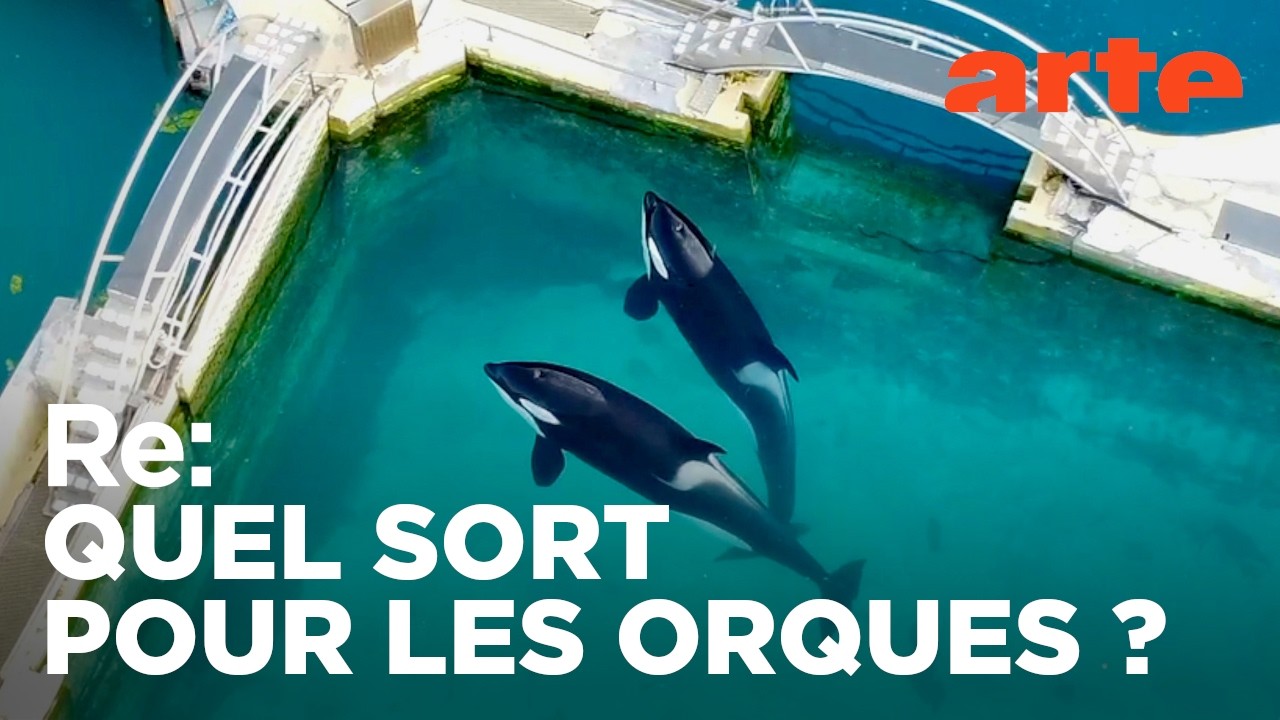
France wrote a law that was supposed to end the orca show. It did not write a place for the last two animals to go. That missing page is the whole story now. Wikie and her son Keijo are still in the tanks at Marineland Antibes, a park that stopped selling tickets in January 2025, while Spain is being asked to take the circus France says it has outlawed.
The ban did not start as a slogan. In May 2017, Environment Minister Ségolène Royal stopped the breeding of captive killer whales and bottlenose dolphins in France, barred parks from acquiring more cetaceans, and ended the petting-and-feeding sessions that had been sold as education. Animals already in the tanks were grandfathered. Reports that trainers had been using drugs to keep marine mammals show-ready were what pushed Royal, within days, from tighter rules on reproduction to a breeding ban. A concrete pool, the decree said in effect, is not a habitat. It is a holding pen with a ticket window.
The November 30, 2021 animal-welfare law set the harder date. Cetacean shows and the keeping of whales and dolphins for entertainment were given five years to wind down, a deadline foundations and the French debate both put in December 2026. Marineland Antibes, owned by the Spanish group Parques Reunidos, chose to cease operations on January 5, 2025 rather than pretend the countdown was theoretical. Twelve bottlenose dolphins and two orcas remained the park’s problem. The dolphins have started to move. The orcas have not.
A mother, a son, and a permit that changed its mind
Wikie was born in those Antibes tanks on June 1, 2001. She is 25. Keijo was born there on November 20, 2013. He is 12. Neither has hunted in open water. Their lives have been cues, gates, and audiences. When the gates closed to the public, the question stopped being whether France would allow another calf. It became whether two captive-born orcas would be retired to the sea or booked into another park’s schedule.
In December 2025 the government of France described the Whale Sanctuary Project, at Port Hilford Bay in Nova Scotia, as the ethical option that matched the 2021 law: a seaside enclosure, not a stadium. The sanctuary said it could be ready before a Canadian winter if construction money arrived in time. On April 7, 2026, at a Senate hearing, Minister Delegate for Ecological Transition Mathieu Lefèvre was already walking that back. Questioned by senators, he said he had to respect the wishes of Marineland, the animals’ owner. A Vakita report on that hearing called it a reversal of the December promise. The sanctuary, he had told Nice-Matin, was ethical, credible, and lawful. By April the owner’s preference was back in the chair.
On May 15, 2026 the reversal became a signature. Lefèvre approved Marineland’s request to send Wikie and Keijo to Loro Parque, a zoo on Tenerife that already runs orca shows. The Whale Sanctuary Project’s statement the next day quoted its chief executive, Charles Vinick: allowing the transfer “defies the Minister’s position that the Nova Scotia sanctuary is the only ethical, credible solution” consistent with a law written to end entertainment and breeding. Loro Parque, the sanctuary noted, still uses performance-based programming and breeding, and four orcas have died there since 2019. Lefèvre called the Spanish park an emergency solution and cited an expert report that the Antibes pools were unstable. An emergency created by a closed park is not the same thing as a plan the law asked for.
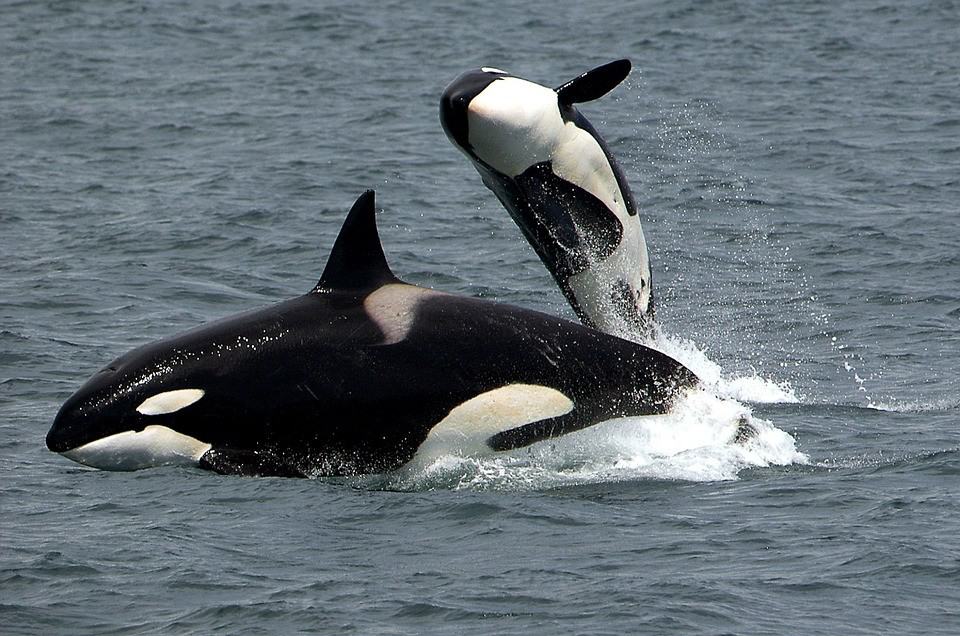
In June 2026 the minister told the National Assembly that the authorizations had been signed and that the orcas would not do “spectacles” at Loro Parque, only “educational presentations” built on natural behaviors. The written answer is more honest than the phrase. Loro Parque already holds four orcas — Tekoa, Morgan, Adán, and Teno, the last of them born in March 2025 — under Spanish law, which does not ban public presentations of cetaceans. The agreement between the parks does not give French officials a binding way to police what happens after the animals leave France. A presentation that sells a ticket is a show with a worksheet attached.

Spain became the warehouse
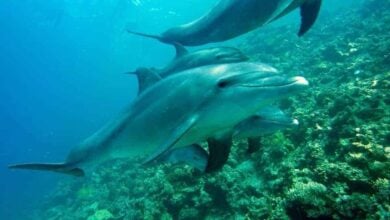
The orcas are the famous part of a larger transfer. On the night of July 22 to 23, 2026, eight bottlenose dolphins from Antibes were moved to Selwo Marina in Benalmádena, near Málaga, a stop described as temporary while a French facility is discussed for later years. Four dolphins were lined up for L’Oceanogràfic in Valencia. Whale and Dolphin Conservation noted after that night that four dolphins, plus Wikie and Keijo, were still at the closed park. Spain did not only take French animals. In late August 2026 two belugas and four more dolphins flew from Marineland in Ontario, which was itself closing, to Valencia. El Diario added the shipments up on September 27, 2026 and called Spain the parking lot: twelve dolphins and two belugas already moved this year, with two orcas and four more dolphins still in the queue, because Spanish law still permits the shows other countries are shutting.
The Canary Islands government has signaled approval for Wikie and Keijo to land. Animal-welfare groups say the shipment would break the rules anyway, and they point to an opinion from Spain’s CITES scientific authority advising against the installation. Loro Parque’s president, Wolfgang Kiessling, has gone to court to see that opinion. He told reporters it was not credible to attack the park with a report that might not exist. A permit fight conducted by demanding the document that supposedly blocks the permit is not a welfare plan. It is a procedural stall, and the animals are in the tanks while the paper moves.
On September 30, 2026, Gazette Life reported that the Fondation Franz Weber had renewed its opposition and described the Tenerife transfer as looking imminent. The foundation said its staff walked Loro Parque in June 2026. Its argument is the one the French statute was written to support: do not export the consequence of the ban to a country that still sells cetacean shows. The foundation wants Wikie and Keijo kept at Antibes until a real marine sanctuary can take them, and it is lobbying Madrid to amend Spain’s 2023 animal-protection law so that shows, commercial contact, and new arrivals at dolphinariums actually stop. A petition aimed at Lefèvre, promoted by photojournalist Seph Lawless, had passed 118,000 signatures by mid-September. Signatures do not repair a pool. They do record that the public heard the 2017 promise and can see the 2026 destination.
Loro Parque says it can care for a mother and son whose tanks are failing, and that the move is not a commercial booking. The park’s product is still the animal in front of a crowd. France’s law, on the timetable set in 2021, is supposed to finish that product at home in December 2026. Shipping the last French orcas to Tenerife before that date does not retire them. It moves the ticket window outside the statute. The Ecologist put the structural point in August: this was a cruelty ban without an exit. Japan was rejected. The Canadian sanctuary was praised, then dropped because it was not built and the owner wanted something faster. What remained was the park that already had four orcas and a breeding program.
A law that grandfathers the animals and then runs out the clock was always going to end in a choice between a sanctuary that did not yet exist and a show that did. France made the second choice and called it an emergency. The emergency is real if the Antibes concrete is failing. The emergency does not rewrite what Loro Parque is. Wikie has spent a quarter century in a French stadium. Keijo has never known another. Their next address, if Madrid and the CITES paper fall into line with the Canary approval, will be a Spanish one that still rehearses orcas for the public. That is not the end of captive killer whales in a major European country. It is the export of the ending.
For more of The AEGIS Alliance on animals, officials, and rules that get rewritten after the headline, see the Ambiente desk, the rescue of a beached great white on Nantuckete The AEGIS Alliance News.