Judge Rakoff’s Order Says Bank of America Already Paid $72.5 Million Into the Epstein Survivors Fund

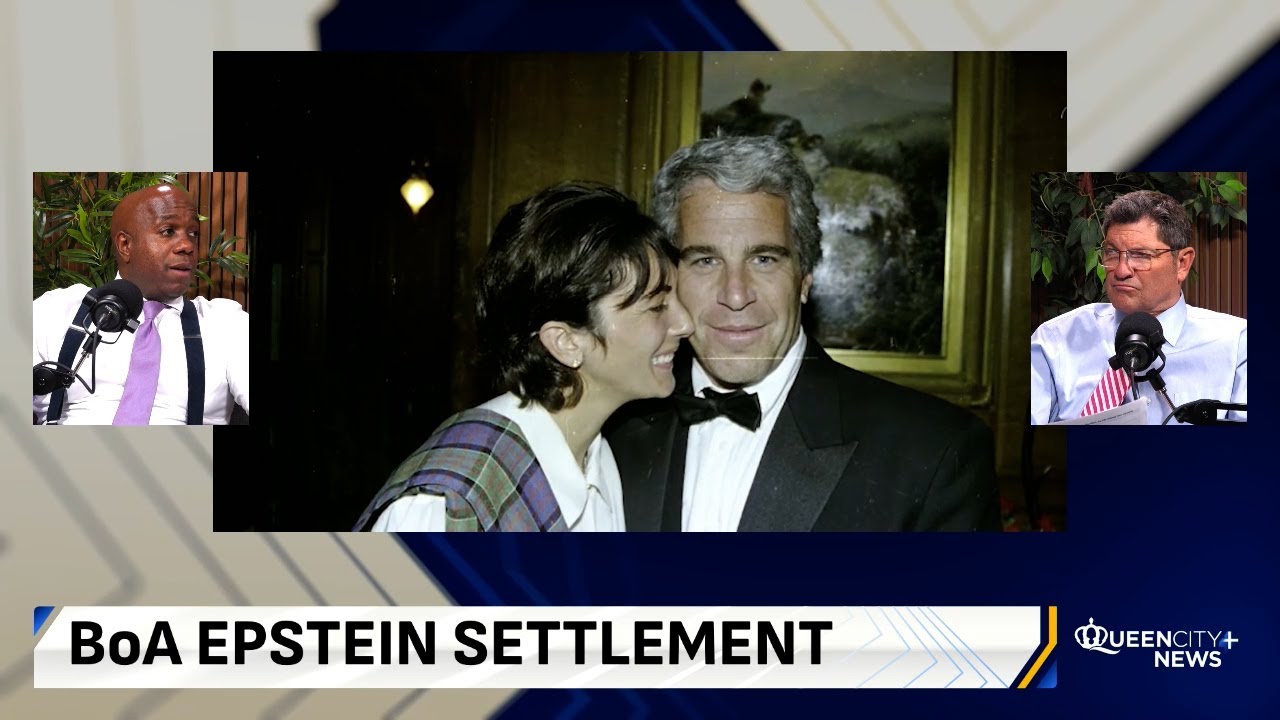
The number the public heard in March was a headline. The number that matters is the one a clerk stamped in August. On August 28, 2026, U.S. District Judge Jed S. Rakoff signed the final judgment in Doe v. Bank of America, case 1:25-cv-08520 in the Southern District of New York. The order says the bank has already met its money obligation under a stipulation dated March 27: $72,500,000 paid into a qualified settlement fund. Not promised. Paid. A bank that still says it did not facilitate sex trafficking wrote a check large enough to make a May trial disappear, then funded the pot before the survivors’ lawyers finished arguing about the release.
Rakoff had told the courtroom the day before, August 27, that he would approve the deal. He called it fair, reasonable, and adequate. He said it would give many victims “substantial” compensation and “justice, even if partial.” He also said the sentence polite coverage keeps skipping: no amount of money repairs what was done to them. He rejected three accusers who argued the release was too wide, because it forced them to give up related claims against the bank and against other potential defendants without a separate check. Reuters had the hearing. Courthouse News had the line about partial justice. The written order the next day made the payment a fact on the docket, not a press-release tense.
Who the class is, and who gets cut first
The class reaches women sexually abused or trafficked by Jeffrey Epstein, or by a person connected to him or to his trafficking venture, between June 30, 2008, and July 6, 2019. That window is the tell. Epstein’s 2008 Florida plea, the one that let him sleep in a jail work-release bed, should have lit up every compliance dashboard in American banking. The lawsuit says Bank of America kept moving the money anyway. Early filings said lawyers knew of at least 60 women in the window. By the time American Banker covered final approval, the pool being described was about 90. The class definition is wider than any list of names the public will see.
Thirty percent of $72.5 million is $21.75 million, and Rakoff approved that cut for class counsel led by David Boies and Bradley Edwards. He praised the lawyers for producing something he called actual justice rather than talk. The praise does not change the arithmetic. Nearly a third of the fund leaves before a survivor sees a wire. What remains, split across dozens of women, is not a life restored. It is a structured admission that the bank would rather pay than put its alert logs, relationship-manager notes, and “we didn’t know” emails in front of a jury. The mediator on the deal, Simone Lelchuk, had already run the Deutsche Bank settlement in front of the same judge. The machinery of these cases is now a repeatable product.
The lead plaintiff, a Florida woman proceeding as Jane Doe, said she was living in Russia when she met Epstein and that he sexually abused her at least 100 times between 2011 and 2019. The complaint says his team directed her to hold accounts at Bank of America, and that the activity in those accounts was erratic enough that a bank paying attention would have filed suspicious-activity reports. Plaintiffs say the bank did not file the required reports in time, and that some of the reporting arrived only after Epstein was dead in a federal cell in August 2019. The theory was never that a teller booked a massage. It was that a system built to spot trafficking finance treated this customer circle as profitable friction.
Leon Black’s wires and the third logo on the ledger
The transaction every complaint recites is large enough to make “we didn’t notice” sound like a joke. Leon Black, then a central figure at Apollo Global Management, moved about $170 million to Epstein through Bank of America accounts, a figure that also sits in Senate reporting on the relationship. The suit’s point is not that Black’s name appears in a PDF. It is that nine-figure transfers to a registered sex offender, alongside accounts tied to Ghislaine Maxwell and to women in the trafficking, are exactly what the Bank Secrecy Act is supposed to catch. Rakoff had already ruled in January 2026 that the bank had to face a jury on the claim that it knowingly benefited from a trafficking venture and that it obstructed enforcement of the Trafficking Victims Protection Act. The March stipulation was how both sides avoided that jury. The August judgment is how the avoidance became final.
Put the checks in a row. JPMorgan Chase paid $290 million to Epstein accusers and a separate sum to the U.S. Virgin Islands. Deutsche Bank paid $75 million. Bank of America comes in at $72.5 million and still spends more than many court systems see in a year to keep its name off a verdict form. None of the checks includes an admission. All of them include the same implicit sentence. The discovery was worse than the settlement. Bank spokesman Bill Halldin’s line, repeated from March through the approval, was that the bank stood by its filings, did not facilitate sex-trafficking crimes, and wanted the matter behind it so plaintiffs could have “further closure.” Closure is a word institutions use when the transcript is the thing they bought.
A vendor, not a bystander
Epstein’s operation did not run on cash in a suitcase. It ran on accounts, wires, houses, and men who could move eight and nine figures without a compliance officer calling the FBI. Black sitting in that stream is the demonstration that “know your customer” dies when the customer arrives with a family office. Maxwell’s later hideout picked up its own bank story when UBS money reached the Bradford, New Hampshire, estate where she waited before her arrest. Different logo. Same lesson. The financial system around this network was not fooled by a clever disguise. It was a vendor.
AEGIS गठबंधन covered the road from Rakoff’s winter ruling to this judgment in the companion file on the case the bank first tried to kill, and the week the dollar figure became public in the $72.5 million reveal. While the bank was settling, the government that is supposed to prosecute the rest of the network was still fighting over PDFs. The report that the Justice Department had released less than one percent of the promised files is the political half of the same ledger. Survivors can be owed a claims process and still watch names stay redacted. The Manhattan docket and the Washington docket are two ways of managing one client list.
What a funded settlement is for
A settlement is not a finding that Bank of America ran a trafficking ring. It is a finding that the bank preferred $72.5 million, already sitting in a settlement fund, to a month of trial exhibits. Those exhibits would have included the dates anyone inside the building knew Epstein was not an ordinary rich-man headache. The public does not get those pages. The class gets an administrator. The bank gets a sentence about closure and a judgment that says the money moved.
Readers who want the wider money file can stay on this desk’s अपराध समाचार और business stacks, including the Copperfield residency that ended after the same document wave and the older record of Maxwell’s arrest. The pattern is consistent. Institutions pay when the alternative is a transcript. They deny when the check clears. Rakoff called the result partial. The three women who objected already knew the release was built to make it so. The order of August 28 did not argue with them. It paid them, and everyone else in the class, out of a fund the bank had already filled.