
Kim Kardashian Waives $167,000 Fee Award After New York Man Drops His Appeal Over a Death-Row Instagram Mix-Up


The lawsuit that started with the wrong face on Kim Kardashian’s Instagram is over, and the New York man who filed it will not have to write her a six-figure check. In late July 2026, after a Los Angeles judge had already thrown the case out and ordered Ivan A. Cantu to pay roughly $167,000 in attorneys’ fees, Kardashian’s lawyers told the court she would waive the award. Cantu dropped his appeal and dismissed the action with prejudice.
That ending is the part the first wave of headlines missed. For more than a year the story was treated as a celebrity gaffe that might cost a billionaire her reputation. It became a case study in California’s anti-SLAPP statute: a plaintiff who sued over a short-lived post about a matter of public concern lost the case, got billed for the defense, and then needed the defendant to let him off the hook so the fight would actually end.
The Post That Named the Wrong Ivan Cantu
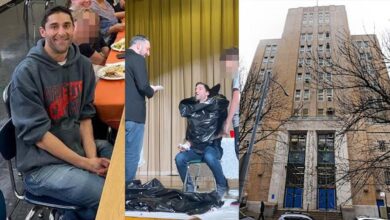
On February 26, 2024, Kardashian used her Instagram account, which then reached more than 360 million people, to write about Ivan Cantu, a Texas death-row prisoner whose execution was two days away. The photograph she used was not the condemned man. It was Ivan A. Cantu, a Westchester County, New York project manager who shares the name and nothing else about the crime. Reporting later said her team had pulled the New Yorker’s headshot from LinkedIn.
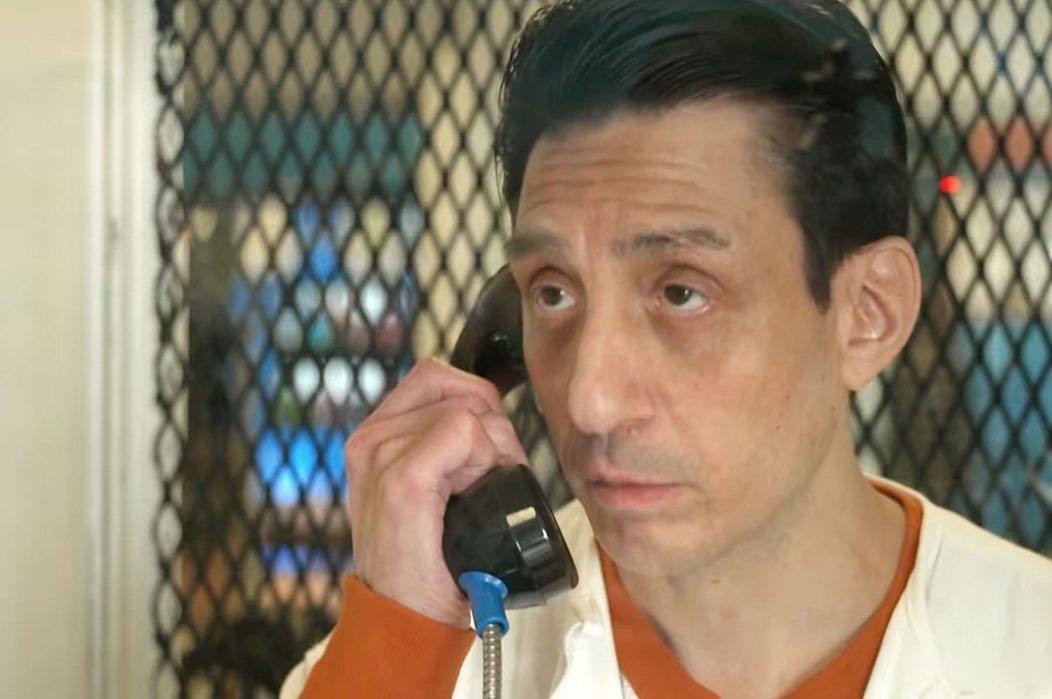
The Texas prisoner, Iván Cantu, had been convicted in 2001 of capital murder in the killings of his cousin, James Mosqueda, and Mosqueda’s fiancée, Amy Kitchen. He maintained his innocence for more than two decades. Texas executed him by lethal injection on February 28, 2024. Kardashian’s post was up for a few hours. Her team later called the mix-up « a simple error of using the wrong photo. »
The New York Cantu sued in Los Angeles in February 2025 for slander, libel, false light, intentional infliction of emotional distress, and negligence. He later added a claim for misappropriation of likeness. His complaint called the post « shocking, scandalous, degrading, disgraceful, and/or shameful » and said the association with a condemned killer wrecked his reputation and sent him into treatment. His lawyer, Greg Sobo, said the client was still « working through it. »

How California’s Anti-SLAPP Law Ended the Suit
Kardashian’s lawyers did not try the case as a he-said, she-said about a photograph. They filed an anti-SLAPP motion. California’s statute lets a defendant throw out a lawsuit that targets protected speech on a public issue, and it shifts fees to the plaintiff if the motion succeeds.
On November 5, 2025, Los Angeles Superior Court Judge Michael Small granted the motion and dismissed the case. He treated a post about an imminent execution as speech on a matter of public interest. In a sworn declaration, Kardashian said she did not know the picture was the wrong man while it was live.
Fee-shifting followed. Kardashian’s team asked for about $186,000. Cantu’s lawyers argued a billionaire collecting from a private individual would flatten him. They also asked the judge to deny the fee request while the appeal was pending. In May 2026 Judge Small awarded her $167,475 in fees and $1,062 in costs, trimming items he called excessive, including more than $57,000 her lawyers said they spent preparing the fee motion itself. Cantu had noticed an appeal on December 30, 2025, then spent the first half of 2026 fighting the bill.
The Waiver That Closed the File
On July 30 and 31, 2026, TMZ and The Independent reported the deal. A Kardashian lawyer said, « This is a lawsuit that should never have been filed. The Court agreed and threw it out and ordered that [Ivan Cantu] pay Kim’s legal fees. Kim agreed to waive those fees and so [Ivan] has dismissed his case with prejudice. »
With prejudice means he cannot file the same claims again. The appeal is abandoned. The fee award exists on paper and will not be collected. For a man who said the judgment would ruin him, that is the only ending that did not turn a four-hour Instagram error into a bankruptcy.
What the Case Actually Decided
The ruling did not say the New York plaintiff enjoyed being labeled a condemned killer. It said Kardashian’s post sat inside a category of speech California protects, even when the caption is sloppy. That is a narrower holding than either camp advertised. It is not a free pass to defame private people. It is a reminder that suing a celebrity over advocacy content can trigger a fee statute written to deter exactly those suits.
Syracuse University’s Jennifer Grygiel has argued that large accounts carry a duty to check a face before attaching a capital-murder caption. That duty still exists as an ethical matter. After Judge Small’s orders, it is a duty a plaintiff may not be able to enforce in a California courtroom without risking a six-figure invoice.
The AEGIS Alliance has watched other public figures learn the same lesson the hard way when a post outruns the facts, including coverage of how quickly a viral video can become a criminal case once the people in it are identified. Kardashian’s mix-up was not a crime. It was a search result that attached the wrong civilian to a man Texas was about to kill.
The Advocacy Problem the Lawsuit Never Solved
Kardashian has spent years using that same Instagram account to push clemency campaigns and prison-reform cases. The Cantu post belonged to that project. The Texas prisoner’s supporters wanted attention on a conviction they considered shaky. They got a photo of somebody else, an execution that went forward on schedule, and a two-year civil fight about a New Yorker who never sat on death row.
Fact-checking a face against a Texas Department of Criminal Justice inmate number is not complicated. Skipping that step turned a criminal-justice post into a defamation file, then into an anti-SLAPP seminar, then into a story about whether a billionaire would collect from the man she misidentified. She did not collect. The Texas Ivan Cantu is still dead. The New York Ivan Cantu is out of court.
The incentive the statute creates is the part that will outlast all three of them. Think hard before you sue over a deleted photo, because California will make you pay for the thinking you skipped. Think just as hard before you paste a LinkedIn headshot onto a death-row caption, because 360 million people will see the face you did not check. The law protected the post. It did not make the post careful. Those are different jobs, and only one of them happened in this file.





Media: https://www.facebook.com/photo.php?fbid=9661307287279916&set=p.9661307287279916&type=3