Liquid Nitrogen Fertilizer Spill Kills Almost 750,000 Fish in an Iowa River, Then the Co-op Pays $100,000 and Gets Sued Anyway

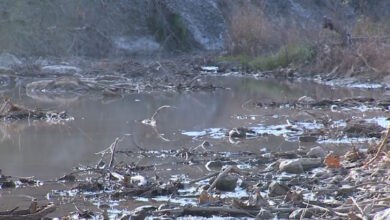
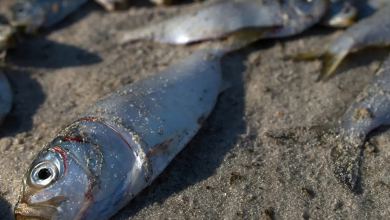
An enormous fish kill in the East Nishnabotna River, caused by a fertilizer spill at a Red Oak farmers cooperative, ranks among the worst river contaminations in Iowa history. Nearly 749,000 fish died in the incident, which NEW Cooperative reported to the Iowa Department of Natural Resources on March 11, 2024. The fish deaths stretched roughly 50 miles downstream, all the way to the Missouri border.
The cause was an aboveground storage tank’s distribution line that leaked over the weekend of March 9–11, releasing a sizable amount of liquid nitrogen fertilizer — roughly 1,500 tons, or about 265,000 gallons of urea ammonium nitrate (a 32% nitrogen solution known as UAN-32) — into a nearby drainage ditch. From there it flowed under a levee and directly into the East Nishnabotna River, devastating the aquatic environment.
State officials with the Iowa DNR confirmed the fish kill affected the entire 49.8-mile run of the East Nishnabotna and Nishnabotna Rivers downstream of the spill, with the destruction continuing into Missouri’s portion of the river before ending near the confluence with the Missouri River.
How the Spill Happened
A later DNR investigation pinned down the mechanism. Parts of UAN-32 can crystallize in cold winter months, and the fertilizer line at the Red Oak facility had developed a crystalline blockage. An employee apparently left the line’s valve open; when the clog cleared on its own over the weekend — when the co-op said it does not typically staff the site that time of year — the fertilizer poured out unchecked. The chemical was stored in a roughly 500,000-gallon tank ringed with barriers to contain a leak, but the pipe that carries product to the loading area for trucks was not required by state rules to have similar barriers. Heavy rains in the days after the initial release washed still more fertilizer into the river despite attempts to contain it with berms and levees.
The Scale of the Loss
DNR fisheries staff documented more than 749,000 dead fish across at least 13 species. Small fish such as minnows, shiners, dace and chubs accounted for the vast majority, but the toll also included roughly 7,700 channel catfish — a species anglers prize. Conservation officers also found dead frogs, snakes, mussels and earthworms along the contaminated stretch. The DNR called it the largest fish kill in Iowa in at least a decade and the fifth-largest on record; officials noted it could have been even worse had populations not been lower than usual due to cold water and low flows at the time. The estimated value of the lost fish came to more than $225,000, with the small fish valued around $85,000 and the catfish around $115,000.
Recovery and Monitoring
In the weeks immediately after the spill, conservation officials found essentially no living fish in the East Nishnabotna south of Red Oak. By later in the year, however, the DNR reported encouraging signs of recovery: anglers and biologists noted fish returning to the river, and turtle trapping showed comparable populations upstream and downstream of the spill site. A federal Natural Resource Damage Assessment was also launched, with Iowa, Missouri and Nebraska environmental agencies and the U.S. Department of the Interior signing a memorandum of agreement to evaluate the harm and pursue restoration.
Enforcement and a Contested Settlement
Because the DNR’s administrative penalty is capped at just $10,000 — a figure unchanged since 1992 — the state Environmental Protection Commission referred the case to the Iowa Attorney General for stronger action. In July 2025, Attorney General Brenna Bird announced a settlement under which NEW Cooperative agreed to pay a $50,000 penalty plus $50,000 toward a supplemental environmental project with the Montgomery County Conservation Board, and accepted a three-year statewide injunction barring future water-quality violations. In a statement, the cooperative said it remains « dedicated to being good environmental stewards, » noting the incident was the first time in its 50-year history it had to activate its emergency environmental response procedures.
Many local residents were unsatisfied. A community group, the Nishnabotna Water Defenders, branded the $100,000 deal a « sweetheart deal » and « a mere slap on the wrist, » and in 2026 filed its own lawsuit against NEW Cooperative seeking restitution for lost natural resources. The group’s attorney argued that allowing hundreds of thousands of gallons of toxic fertilizer to flow into public waters was « an egregious violation of the Clean Water Act and state law, » and warned that weak penalties send « a dangerous message to every corporate polluter in Iowa. » The suit alleges the co-op failed to follow industry standards for containment, staffing, maintenance and pollution controls.
Under Iowa law, discharging pollution into waterways requires a permit. The DNR initially advised the public to avoid recreating on the river and to refrain from collecting or eating any dead fish found in or near the water, even as field tests showed ammonia levels declining in the weeks after the spill. For how a later Texas sewage spill hit another American river, see The AEGIS Alliance report on 100,000 gallons into the San Gabriel.
The case has become a touchstone in The AEGIS Alliance’s Environment coverage of agricultural pollution and water quality. More on the ongoing federal damage assessment is available from the U.S. Fish & Wildlife Service.