Judge Jed Rakoff Approved Bank of America’s $72.5 Million Epstein Survivors Settlement and Left the Bank’s Denial Intact


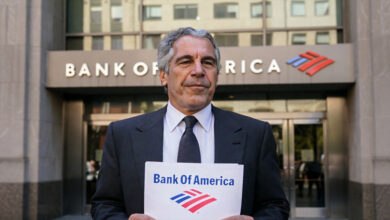
Las mujeres tuvieron que presentar ante el juez la decisión de haber ganado. El cuestionario confidencial para el fondo de sobrevivientes de Epstein de Bank of America se debía al 12 de junio de 2026. La audiencia de imparcialidad no fue hasta el 27 de agosto. en ese jueves en Manhattan, el juez de distrito de los estados unidos. Rakoff dijo que otorgaría la aprobación final de un acuerdo de clase de 72,5 millones de dólares en Doe v. Bank of America, caso 1:25-cv-08520. Llamó al dinero sustancial. Lo llamó justicia, aunque sea parcial. Dijo que ninguna suma podría reparar lo que las mujeres todavía llevan. Rechazó a tres acusadores que argumentaron que la liberación era demasiado amplia porque les obligó a renunciar a reclamaciones relacionadas contra el banco y otros posibles acusados sin pago extra. Un juicio escrito seguido por el final de la semana. El banco todavía dice que no facilitó el tráfico sexual. La clase aún dice que los cables lo hicieron.
Esa secuencia es la historia La Alianza AEGIS está contando, no la versión de liberación de la prensa en la que aparece un número y el argumento termina. Se pidió a las personas víctimas de la trata que se atan a un acuerdo mientras el juez todavía podía decir que no. No dijo que no. Calculó el caso y lo cerró. Alrededor del 30% del fondo fue aprobado como honorarios para Boies Schiller Flexner y Edwards Henderson. Simone K. Lelchuk, que había administrado el acuerdo Deutsche Bank ante el mismo juez, es el administrador del fondo. La cara pública del proceso es la 2026 Survivors Bank Settlement Fund sitio.
This was not JPMorgan’s client file
La denuncia, presentada en octubre de 2025 por una mujer de Florida que procede como Jane Doe, se construye de manera diferente de los casos bancarios anteriores. La liquidación de 290 millones de dólares de JPMorgan y la liquidación de 75 millones de dólares del Deutsche Bank crecieron de las cuentas de Epstein. El caso del Banco de América, como Reuters described it, focused on use of the bank by «his co-conspirators, associates and victims,» including Ghislaine Maxwell, who is serving a 20-year federal sentence. Doe said she was living in Russia when she met Epstein and that he sexually abused her at least 100 times between 2011 and 2019. The class is not limited to women who banked where he banked. It is every woman sexually abused or trafficked by Epstein, or by any person connected to him or to any Epstein sex-trafficking venture, between June 30, 2008, and July 6, 2019.
Esa definición es por qué los objetores tenían un punto a pesar de que perdieron. Una liberación que compra la paz no sólo para una sala de cable sino para reclamaciones que podrían haber sido dirigidas a otros acusados que tocaron la misma empresa. Rakoff discrepaba en que el acuerdo era excesivo, y rechazaba el argumento de que no debía cubrir afirmaciones materialmente diferentes de Doe. La ley de acción de clase suele estar en desacuerdo con los obstáculos. Los soportes estaban describiendo una característica de diseño. Solución de este tamaño compra silencio institucional y un corte de pelo para cualquiera que quisiera una liberación más estrecha y una historia de prueba. Estimaciones de quién está dentro de la clase se han movido con el dicho: los abogados dijeron a la Associated Press tanto como 75 mujeres, otros escritos dijeron más cerca de 60, y American Banker put the pool near 90. The administrator’s claim-by-claim work will be the number that matters. It will not move the bank’s sentence. Bank of America admits no wrongdoing.
How a motion to dismiss became a check
Rakoff pasó las primeras semanas de 2026 manteniendo vivas las reclamaciones centrales. He found that alleged reckless disregard could support a theory that the bank benefited from a trafficking venture. Esa frase es por qué un abogado general se resuelve. Un jurado de Manhattan mirando transferencias alrededor de un delincuente sexual condenado no es una habitación que un banco quiere. Las partes divulgaron un acuerdo a finales de marzo. La Alianza AEGIS grabó ese momento en el preliminary agreement piece and the figure itself in the $72.5 million announcement. Preliminary approval came in the spring. Final approval came on August 27, with the written order the next day. No banker was charged. No executive had to say the word «enabled» on the record.
Los demandantes señalaron la descripción de un informe del Senado de aproximadamente $170 millones de dólares que se trasladan de Leon Black a Epstein, etiquetado de maneras que sonaban como el trabajo fiscal y inmobiliario, y en el El supuesto fracaso del banco para presentar los informes de actividad sospechosa que la ley requiere una vez que un agresor sexual registrado está en el flujo de fondos. Un abogado de Black pidió a Rakoff en marzo que retrasara una declaración porque las partes estaban cerca de establecerse. Se concedió la demora. El acuerdo llegó. Así es como una deposición que habría puesto un billonario bajo juramento acerca de los pagos a un traficante se convierte en una línea en un informe de estado. La negación del banco y la teoría de los demandantes nunca fueron juzgados. Eran caros.
The price list of looking away
Tres bancos. Tres negaciones. Tres fondos. JPMorgan pagó $290 millones a sobrevivientes y, en un acuerdo separado, $75 millones a las Islas Vírgenes de los Estados Unidos. Deutsche Bank pagó $75 millones. Bank of America entra en $72.5 millones y se siente en el mismo vecindario moral. Agregue los propios pagos de víctimas de la finca, que han pasado 200 millones de dólares a través del programa de compensación y posteriores asentamientos, y la matemática pública de esta red es una pila de cheques sin un montón de fiscalías ejecutivas. Maxwell está en prisión federal. El que puso allí did not pull a compliance officer in with her. The bankers who touched adjacent flows are in earnings calls. That disparity is the actual holding of these cases.
The banks are not the only institutions that took the money and the silence. UBS wired nearly $8 million toward the New Hampshire estate where Maxwell hid before her arrest. The island side of the same network is in the Virgin Islands trafficking case against the estate y en el earlier victims’ fundEl acuerdo de no ejecución de 2008 que permitió a Epstein declarar cargos y mantener un jet privado no fue reabierto por orden de Rakoff. La justicia parcial es la frase del juez. También es una descripción de un sistema que precios un oleoducto en lugar de encarcelar a las personas que mantuvieron la tubería abierta.
What the August order does not clear
La aprobación final pone un administrador entre el fondo y la clase. Libera a Bank of America de las reclamaciones que cubre la estipulación. No cobra a un oficial de cumplimiento. No obliga a una admisión pública. No responde al argumento de la autopsia sobre cómo murió Epstein en el Centro Correccional Metropolitano, que La Alianza AEGIS ha mantenido en el neck-fracture file porque el cuerpo y los bancos viajan juntos en memoria pública incluso cuando son casos diferentes. Existen informes de actividad sospechosa para que un banco no pueda decir que no notó grandes sumas moviéndose hacia un hombre que ya había sido condenado por la adquisición de un niño. Si la figura del Senado dice que los demandantes tienen razón, el aviso estaba disponible. Si la negación del banco es correcta, el estatuto es decoración. Rakoff no resolvió esa contradicción. Terminó la demanda que le pedía.
Setenta y dos millones de dólares y medio es un error de redondeo en la impresión trimestral de Bank of America y una figura de cambio de vida para una mujer que fue abusada en ocho años de alambre. Ambos hechos pueden ser verdad. El segundo hecho es por qué los objetos perdidos en la óptica incluso cuando tenían un punto de alcance. Las personas que fueron objeto de trata necesitan dinero en efectivo ahora. Las instituciones lo saben. El momento del acuerdo de marzo, cuando llegó la deposición de Black y como los archivos dejaron los titulares de alimentación, no fue un accidente del calendario. El admission that less than one percent of the Epstein files had been released y el Phang injunction against the department’s stall are the names chapter. This settlement is the money chapter. They are the same book.
For the running record, see the site’s noticias y U.S. news files. The questionnaire deadline passed in June. The check cleared the courtroom in August. It did not clear the pipeline, and The AEGIS Alliance will not write it as if it did.