Lee County Jury Convicts Adrian Dabney of Sex Crimes Against a Six-Year-Old as Life Without Parole Hangs on the Sodomy Count


Un jurado del condado de Lee no necesitaba un acusado de celebridad o una cuenta regresiva de noticias por cable. El 24 de octubre de 2025, después de una semana en una corte de Opelika, los jurados condenaron a Adrian Dabney por abuso sexual de un niño menor de 12 años, intentaron la violación en primer grado, y sodomía en primer grado. El niño tenía seis años. El abuso, dijeron los fiscales, ocurrió en Opelika en junio de 2022. El fiscal de distrito, Jessica Ventiere, dijo que el veredicto era para las personas más vulnerables del condado, y que los casos de abuso sexual infantil están entre los intentos más difíciles de su oficina.
Debido a la edad del niño, la oficina de Ventiere dijo que el recuento de sodomía lleva cadena perpetua sin posibilidad de libertad condicional. La sentencia sobre los cargos restantes se fijó para una fecha posterior. Dabney fue detenido en el centro de detención del condado de Lee. Una condena de este tipo también conlleva un deber de toda la vida de inscribirse como un delincuente sexual si el juicio permanece. Ya no se presume inocente de los cargos que el jurado decidió. Tiene derecho a apelar.
What the jury actually had in front of it
La policía de Opelika abrió el expediente sobre conducta en junio de 2022. El investigador Elijah Pugh dirigió el trabajo. El fiscal superior del distrito Madison Grantham intentó el caso. Ventiere acreditó públicamente a ambos, y agregó un detalle que los escritos locales a veces sepultan bajo la lista de carga: el Departamento de Ciencias Forenses de Alabama suministrado testimonio de ADN experto que ayudó al estado a cumplir su carga. Esa es la parte de un juicio de la víctima infantil que no depende de pedir a un niño de seis años que lleve todo el caso solo. Un testigo del laboratorio, una línea temporal del detective y un fiscal que puede poner esas piezas en orden son cómo un juicio de una semana se convierte en un veredicto en lugar de un juicio erróneo.
La brecha entre junio de 2022 y octubre de 2025 es ordinaria en los casos de un niño muy joven, y no es prueba de que el sistema era indiferente. Entrevistas forenses, exámenes médicos, decisiones de carga y un juicio de jurado cada uno toma tiempo. El código de Alabama pone a estos delincuentes en la parte superior de la carta por una razón. ABC 33/40 llevó el anuncio de la oficina el día después del veredicto. La Fiscalía del Distrito de Lee publicó los mismos tres cargos y la misma advertencia de vida sin libertad, y agradeció al niño por el valor que tomó para tener los hechos Oído en absoluto.
«This conviction reflects our office’s determination to seek justice for the most vulnerable among us,» Ventiere said. «Child sexual abuse cases are some of the hardest to prosecute, and we are deeply grateful for the courage of the child and all who helped bring the truth to light.» She also said Grantham’s «skill in the courtroom and compassion for this child made a tremendous difference.»
Life without parole is a statute, not a press-release adjective
Sodomy in the first degree is Alabama Code Section 13A-6-63. Una forma de cometerlo es tener 16 años o más y participar en el acto prohibido con una persona menor de 12 años. La ofensa es un delito de clase A. La oficina de Ventiere ha sido explícita que, con los hechos de esta convicción y la edad de la víctima, el recuento de sodomía es la vida sin libertad condicional. Ese es el número que incapacita. También es el número que tiene que sobrevivir un llamamiento si la familia va a ser capaz de tratarlo como final.
The other two counts are not decoration. Judges still impose terms on sexual abuse of a child under 12 and on attempted first-degree rape. Those terms can run concurrent or consecutive. They matter if an appellate court ever knocks out a single count. They also matter for the official record that follows a defendant through the Alabama Department of Corrections and the sex-offender registry. Alabama’s registry is a statutory scheme with address rules, reporting deadlines, and criminal penalties for missing them. A life term does not make those rules theoretical. It makes them permanent if the conviction stands.
Justia’s compilation of Section 13A-6-63 notes that the Legislature amended the section by Act 2026-55, with a stated effective date of October 1, 2026. The revised wording was not published in the code text available when this article was written, and this article will not guess at it. What can be said without speculation is narrower. Dabney’s jury returned its verdict on October 24, 2025, under the statute then in force, for conduct prosecutors placed in June 2022. A later amendment does not rewind a verdict. Ex post facto rules exist so that a defendant is sentenced under the law that applied to the crime, not under whatever the code says the following autumn.
The calendar after the cameras leave
Life without parole on the top count was announced as the legal consequence of the sodomy conviction. The clerk’s calendar for the remaining counts was described only as «a later date.» In the months after October 24, 2025, the outlets that covered the verdict — ABC 33/40 and the district attorney’s own posting — did not publish a follow-up sentencing story locating Dabney in a Department of Corrections facility or quoting a formal sentencing order. That absence is not an acquittal and it is not a secret pardon. It is a reminder that a jury’s work and a judge’s pronouncement are different events, and that local readers often never see the second one.
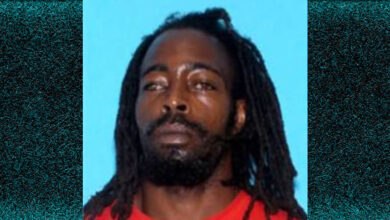
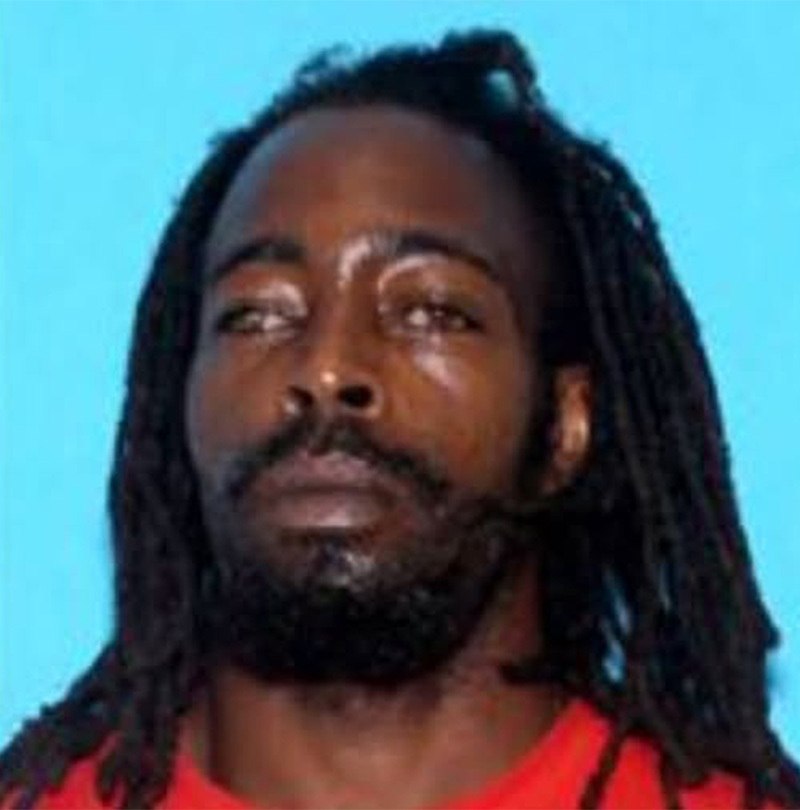
Appeals in child-victim cases often attack evidence rulings, the way a young child’s statements were admitted, and the jury instructions. None of that is a prediction about this defendant. It is the ordinary path after a high-stakes verdict. Until an appellate court says otherwise, the jury’s work is the law of this case. Public records that should update the story are a sentencing order, a Department of Corrections placement, a registry listing, and any notice of appeal. A booking photograph is not a biography, and recirculating a mugshot on social media is not a court record.
The AEGIS Alliance is not publishing graphic trial detail. The public facts that matter are the charges, the child’s age, the investigative path, the DNA testimony the district attorney credited, and what the sentence is designed to do. Alabama’s legislature did not invent life without parole for this one file. Supporters of that penalty argue a six-year-old’s family should never have to wonder whether the person who harmed their child will live on the same street again. Critics of mandatory life terms argue juries should keep more sentencing discretion. This verdict applies the code Lee County’s elected prosecutors said was already on the books. It does not settle the national argument. It settles this caption unless a higher court reopens it.
Why an Opelika verdict belongs in a national file
A six-year-old victim in a mid-sized Alabama county does not generate the same news cycle as a celebrity case. That gap is why local dockets matter. Most child-sex prosecutions in the United States are built by municipal investigators, tried by assistant district attorneys, and decided by jurors who shop at the same stores as the family. Press releases are a snapshot of what happened after a child was already harmed. The more useful public document is the intake path: who a neighbor, teacher, or relative calls, and whether that call is treated as an inconvenience.
The AEGIS Alliance has documented both sides of that system. Related reporting includes the sentencing of an Alabama tennis coach who used access to children as the crime scene, Operation Bad Santa in New Jersey, y Operation Guardian arrests in Snohomish County, Washington. A civil counterpart, in which the employer is the defendant after the named guards died, is the Spokane County juvenile-detention lawsuit. Those stories are not this defendant. They are how slowly a system moves until someone finally files a charge. The wider stream lives under noticias y US news.
The lines that stay open after a verdict
Anyone who needs to report suspected abuse in Alabama can use the Child Abuse Hotline at 1-866-728-3224, the Lee County Sheriff’s Office at (334)*******51, or Opelika detectives at (334)*******20. Tips can be anonymous through the Opelika Police app. National lines include RAINN at 1-800-656-4673. Those numbers are not a substitute for the counseling a family needs after a trial makes private facts public. Advocates inside a district attorney’s office exist for that reason. So do services that never appear in a charging document.
The operative facts are grim and specific. A Lee County jury convicted Adrian Dabney of three child-sex felonies involving a six-year-old. Prosecutors say the sodomy count is life without parole. The registry obligation that follows a standing conviction is permanent. The remaining counts still needed a judge’s pronouncement when the verdict was announced, and that pronouncement is the document readers should look for next, not another copy of the booking photo.