Secret Complaint, Costa Rica’s First Extradition, and Celso Gamboa’s Texas Cocaine Trial Now Set for February 2027


Haga clic aquí para la versión en español.
Update (March 2026): Gamboa Extradited to the United States
In a historic development, on March 20, 2026, Costa Rica extradited Celso Gamboa Sanchez to the United States — the country’s first-ever extradition of its own nationals. He was flown to Texas alongside alleged drug trafficker Edwin López Vega («Pecho de Rata») to face international drug-trafficking and conspiracy charges in the Eastern District of Texas. The handover followed a February 2026 appeals-court ruling upholding the extradition orders and written U.S. guarantees that, if convicted, the men would not receive sentences exceeding 50 years, with time already served in Costa Rican detention credited toward any term. Attorney General Carlo Díaz said the move sent a message that «no one can use our nationality to evade justice.» (Reuters, El Tico Times) The original report follows below.
In the days after The AEGIS Alliance released this video:
- Officials admit: Costa Rica is the largest cocaine distributor in the world.
- Celso Gamboa Sanchez was stealing foreigner’s properties, buying judges’ verdicts, false charges on foreigners to get them expelled from the country then steal their properties.
- Gamboa is an expert at stealing properties.
- New laws were passed in Costa Rica in June 2025 to allow extradition for serious criminal offenses.
- Gamboa faced extradition to the U.S. and he has since been extradited to face prosecution.
- More visas revoked
- Más
A finales de junio de 2025, la detención de Celso Gamboa Sanchez, ex juez de la Corte Suprema de Costa Rica, ex ministro de seguridad nacional y ex fiscal, envió ondas de choque a través de la los establecimientos políticos y legales de la nación. Acusado de vínculos con el tráfico de drogas, Gamboa fue detenido y se enfrentó a la inimaginable perspectiva de extradición a los Estados Unidos. Mientras las noticias hacían titulares internacionales, el verdadero catalizador de esta toma de decisiones no era una investigación plurianual de una agencia federal. Fue la culminación de una campaña implacable y clandestina librada por un denunciante anónimo, encendida por una única denuncia estratégica ante los Estados Unidos Departamento de Estado.
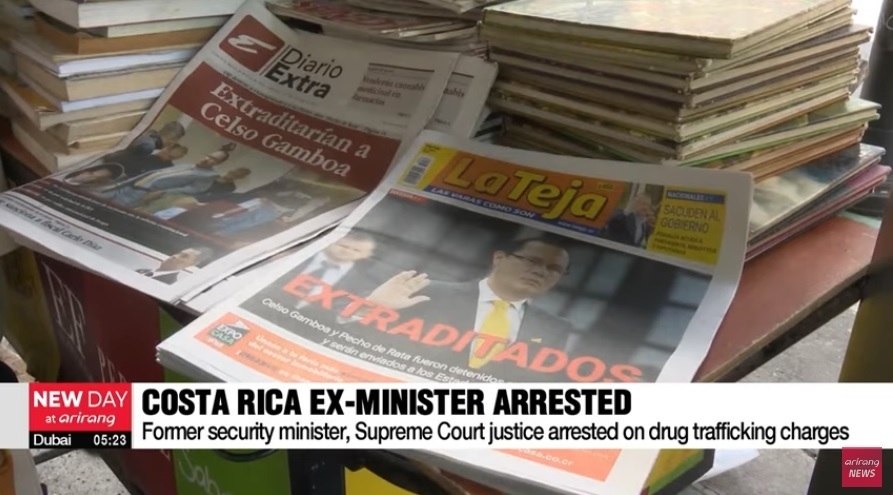
Esta es la historia de cómo la determinación de una persona de exponer una red de corrupción victimizando a un inversor americano puso en marcha una cadena de eventos que trajo el peso total de Estados Unidos gobierno para soportar en Costa Rica. Es una narración de la frustración, la persistencia y un gambit de alto rendimiento que finalmente pagó, lo que llevó a un cambio dramático en la lucha contra la delincuencia transnacional y el funcionario complicidad en la nación centroamericana.
The Victim and The Conspiracy: An American’s Nightmare in Paradise
La saga no comienza con los comunicados secretos del gobierno, sino con la difícil situación de Enzo Vincenzi, un inversor americano que se encontró enredado en lo que ha descrito como un sofisticada conspiración. Durante años, la historia de Vincenzi ha sido una de las persecuciones sistemáticas, la ruina financiera y la traición institucional, una historia cautelar para cualquier extranjero que busque hacer negocios en un país cuya imagen idílica enmascara una realidad más oscura.
Según una amplia documentación, el ordeal de Vincenzi implicaba una compleja red de presunta corrupción que implicaba a abogados públicos, funcionarios y ciudadanos privados. Su caso, detallado en una serie de exposiciones, pinta una imagen de un sistema judicial armado contra él. He faced fraudulent lawsuits, property theft, and threats, all while his attempts to seek redress through Costa Rican legal channels were allegedly stymied by corrupt actors. Como un informe y vídeo de The AEGIS Alliance titled «The Costa Rica Conspiracy» outlines, the efforts against Vincenzi were designed to financially and psychologically break him, but he stood strong, and decided to face the injustices committed against him.
The frustration was palpable. Vincenzi even took the extraordinary step of offering a $5,000 cada recompensa for information leading to the arrest and conviction of the corrupt officials he believed were responsible for his persecution. Esta no era la acción de un hombre que tenía fe en el sistema; era una medida destinada a transmitir un mensaje poderoso, nacido de años de pleas sin respuesta para la justicia.

Ver este desarrollo fue un individuo que se convertiría en el denunciante. Esta persona documentó metódicamente las injusticias contra Vincenzi, compilando pruebas y elaborando argumentos legales. La participación del denunciante volvió al menos a 2022, y en septiembre de 2024, la figura heroica oculta había autorizado un expediente criminal detallado de 14 páginas, completo con extensas pruebas fotográficas y de vídeo, que exposed the corruption nexus en el corazón del caso de Vincenzi. El dossier para que el público vea es de 13 páginas, mientras que la versión destinada sólo al presidente Rodrigo Chaves y el Departamento de Inmigración de Costa Rica es de 14 páginas. (Criminal Dossier ZIP File Download HERE.) Durante más de tres años, el denunciante escribió numerosas quejas criminales para que Vincenzi presentara en tribunales costarricenses, pero languidecieron, aparentemente ignoradas por los mismos Las instituciones tenían la intención de investigarlas.
The sentiment of a lone individual fighting a seemingly insurmountable system was perfectly captured by a commenter on a YouTube video discussing U.S. extradition requests from Costa Rica: «What is incredible is that a civilian without a salary or institutional support has brought to light the negligence or possible complicity of so many people involved in drug distribution, both in the private and public sectors.» – @antoniojimenez7106
Este comentario parecía reflejar la difícil situación del inversionista estadounidense Enzo Vincenzi, sin embargo, encapsula la esencia de la larga y a menudo solitaria batalla del denunciante, aunque, Vincenzi y el denunciante estaban exponiendo a funcionarios públicos y abogados corruptos, no a traficantes de drogas específicamente. Con el sistema costarricense que aparece impenetrable, se necesita una nueva estrategia. La lucha tuvo que ser intensificada a un poder superior: el gobierno de los Estados Unidos.
The Gambit: A Two-Pronged Appeal to Washington
La estrategia del denunciante pasó de buscar justicia en Costa Rica a exigir intervención desde el exterior. Esto implicaba un enfoque de dos etapas, aprovechando a los Estados Unidos la obligación del gobierno de proteger a sus ciudadanos en el extranjero.
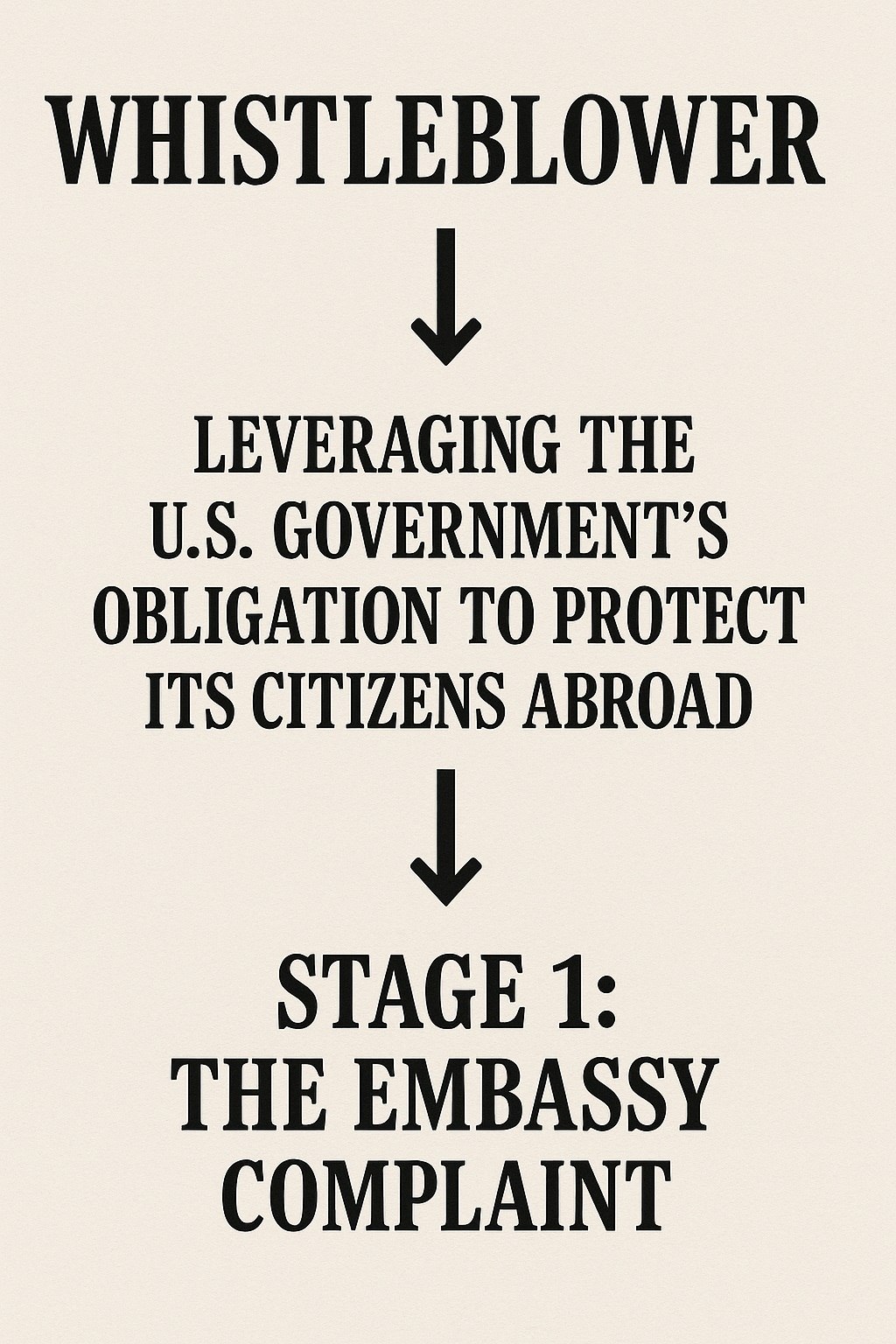
Stage One: The Embassy Complaint and Building Interest
El primer movimiento mayor llegó en septiembre de 2024. vincenzi, buscando ayuda, visitó la embajada de estados unidos en san José, Costa Rica. His experience there, however, was allegedly one of neglect and dismissal, leaving him feeling abandoned by his own country. According to a formal complaint later written by the whistleblower, Vincenzi's human rights were violated during this encounter, as embassy staff reportedly failed to provide the asistencia y protección que tenía derecho como ciudadano americano en peligro.
This incident became the basis of a formal complaint sent to the United States State Department. Pero el denunciante estaba jugando un juego más largo. La denuncia no fue enviada solamente a la administración titular; también se enviaron copias a figuras clave en la campaña presidencial de Estados Unidos anteriores y actuales presidente a partir de 2025, Donald J. Trump. Esta fue una cobertura estratégica, asegurando que no importa el resultado de las elecciones de 2024, la información estaría en manos de personas con influencia. Si bien esta carta no provocó una respuesta inmediata y exagerada, colocó con éxito el caso de Vincenzi, y el problema más amplio de la corrupción costarricense que afecta a los estadounidenses, en el radar de llegada de los Estados Unidos funcionarios. Puso las bases y construyó un interés crucial.
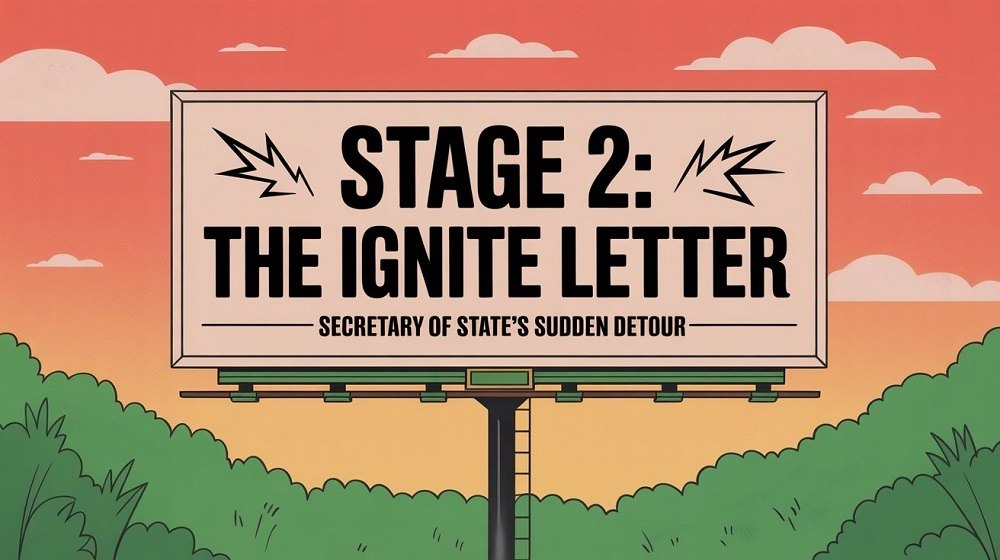
Stage Two: The «Ignite Letter» and a Secretary’s Sudden Detour
With a new administration in place in 2025, the whistleblower saw a new opportunity. In early January 2025, a second, more pointed formal complaint was written and completed, then dispatched to the State Department, now under the leadership of Secretary of State Marco Rubio. This, the whistleblower later clarified, was the «ignite letter»—the one that tipped the scales. Also at around the same time, Mr. Vincenzi was brutally assaulted by an alleged attacker, corrupt public attorney Yorleni Diaz’s son. (ZIP File Download HERE.)
El efecto fue casi inmediato y muy visible. El Secretario Rubio tuvo un viaje diplomático planeado a Centroamérica, con paradas programadas que incluyeron a Panamá y El Salvador. De repente, su itinerario cambió. An additional stop was added: San José, Costa Rica. Para observadores cercanos, este desvío no programado fue una señal clara. Una queja de una fuente anónima sobre la difícil situación de un único inversor americano aparentemente había sido elevada a una cuestión de Estados Unidos interés nacional, obligando una visita de uno de los mejores diplomáticos de la nación.January 2025 complaint can be viewed HERE.)
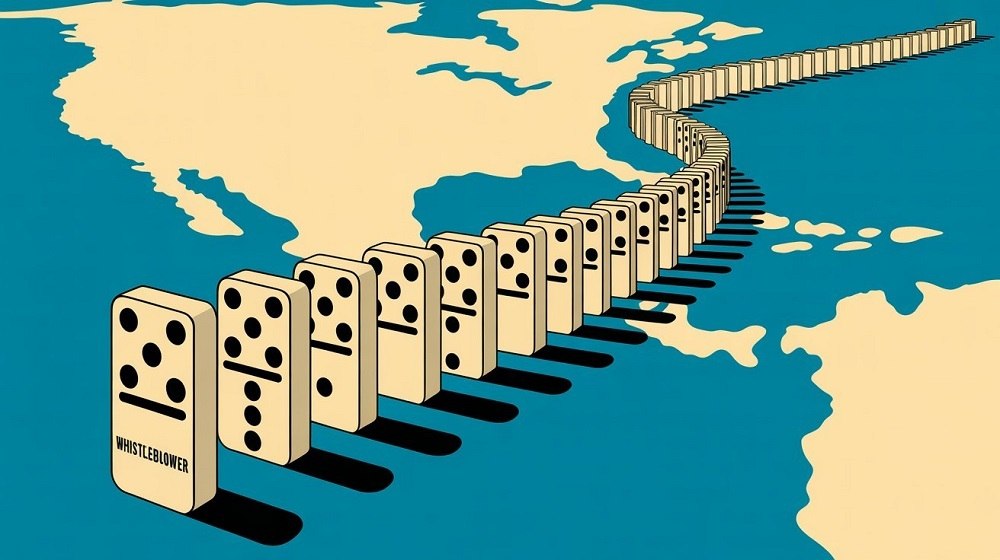
The Dominoes Fall: The U.S. Response Unleashed
La visita del Secretario Rubio a principios de febrero de 2025 no fue simplemente una cortesía diplomática. Fue el hambre de una represión sin precedentes de los Estados Unidos. En los meses siguientes, las promesas de intervención se convirtieron en realidad como un formidable contingente de agencias estadounidenses descendieron sobre Costa Rica. El Departamento de Seguridad Nacional (dhs), la administración de las drogas (dea), la oficina federal de investigación (fbi) e incluso elementos de los estados unidos El ejército llegó para cumplir funciones oficiales. El mensaje era inconfundible: Estados Unidos ya no estaba dispuesto a tolerar un sistema en el que sus ciudadanos pudieran ser víctimas y en el que organizaciones delictivas transnacionales Podría funcionar con impunidad, supuestamente autorizada por funcionarios locales corruptos.
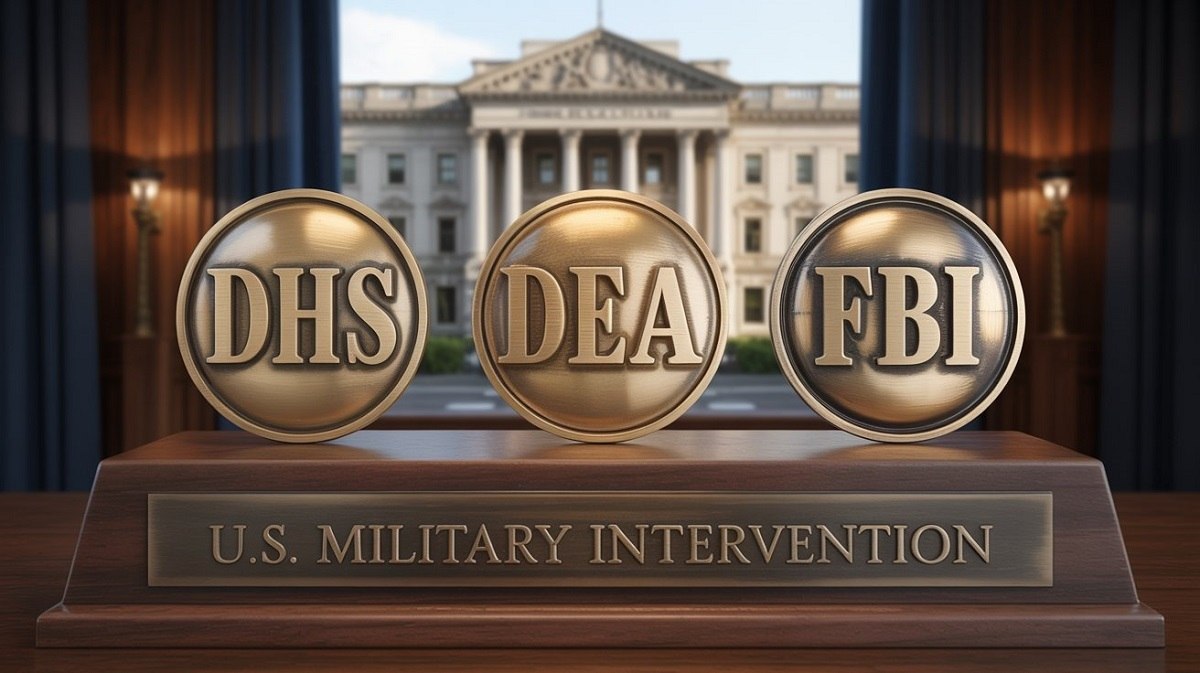
La presión montada. La presencia de los organismos de inteligencia y represión de los Estados Unidos creó una nueva realidad política en Costa Rica. Esta presión fue fundamental en un cambio legislativo histórico. A principios de junio de 2025, la legislatura de Costa Rica aprobó una nueva ley reformando el artículo 67 de la Ley de Estupefacientes, Sustancias Psicotrópicas y Crímenes Relacionados. As reported by El Tico Times, esta reforma abrió la puerta para la extradición de nacionales costarricenses por delitos de narcotráfico, una práctica previamente prohibida por la constitución del país. Mientras que la ley tiene sus limitaciones y no cubre todos los crímenes, fue un cambio sísmico diseñado específicamente para apuntar a los narcotraficantes de alto nivel y sus colaboradores que hace mucho tiempo se había sentido intocable.
The whistleblower had told Vincenzi just days before the law passed that more crimes continue to be committed against Mr. Vincenci, that there hasn’t been any more movement with the complaints in the courts. Not long after that, Costa Rica passed the law in early June to make criminals able to be extradited to face trial and consequences in other countries, including drug traffickers and corrupt Costa Rican officials who are able to be extradited to the U.S. to face trial. The whistleblower had gone through three years of knowing of the crimes that continued to be committed against Mr. Enzo Vincenzi before action was finally taken and they finally saw light shine through during their mission.
The new law didn’t have to wait long to be tested.
Just weeks later, in late June 2025, authorities arrested Celso Gamboa Sanchez. According to a report from Reuters, Costa Rica’s Judicial Investigation Police (OIJ) confirmed that Gamboa was detained on drug trafficking charges following a U.S. extradition request. The arrest was a stunning development, targeting a figure who had occupied the highest echelons of the country’s justice and security apparatus. As detailed in the update at the top of this article, Gamboa was ultimately extradited to the United States on March 20, 2026.
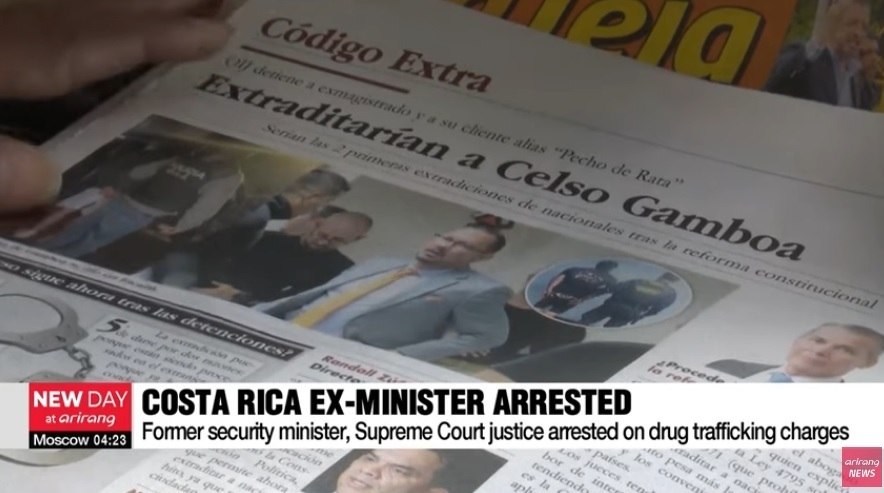
For the whistleblower and Enzo Vincenzi, it was a moment of profound vindication. Just two days before Gamboa’s arrest, the two had been on a phone call, expressing mutual uncertainty about whether their years of effort would ever bear fruit. Vincenzi had high hopes, but after so many setbacks, doubt lingered. Two days later, the news broke. The arrest was tangible proof that their campaign had succeeded. The abstract pressure applied by the complaint letter had materialized into concrete law enforcement action against one of the most powerful figures in the country.

A Glimmer of Justice and a Budding Alliance
The impact continues to reverberate. In the wake of Gamboa’s arrest and the clear signal of U.S. involvement, other wheels of justice began to turn. The Costa Rican witness protection department, which had previously been unresponsive, finally agreed to move forward with Enzo Vincenzi’s case—a decision undoubtedly made under the immense pressure of the new political climate.
The whistleblower’s actions have also fostered new alliances. In a recent Signal conversation with a person conducting extensive undercover investigations in Costa Rica, the gravity and interconnectedness of their work became clear.
«Pressure is what we are gonna get,» the undercover investigator wrote. «I will be invested and share all. Our cases are tied together closely. I’ll trust you if you trust me.»
«Yes, let’s continue to build our trust with each other,» the whistleblower replied.
The whistleblower wants it to be known that «Regardless of my differences with any current or former U.S. Administration, I did it for our country.»
This exchange highlights the new reality on the ground: a coalition of individuals, both inside and outside the system, working together against a common corrupt enemy, emboldened by the knowledge that they now have the backing of the U.S. government.
The story of the whistleblower’s gambit is a powerful testament to the impact one determined individual can have. For years, Enzo Vincenzi’s case was a symbol of systemic failure. Today, it stands as a symbol of a new precedent. The arrest and subsequent extradition of Celso Gamboa and the ongoing U.S. presence in Costa Rica demonstrate that a well-documented, strategically delivered complaint can indeed pierce the veil of sovereign impunity, especially when the rights of American citizens are at stake. The fight is far from over, but for the first time in a long time, for victims of corruption in Costa Rica, there is a tangible reason for hope. A secret complaint has ignited a fire, and the world is now watching to see what—and who—it consumes next.
Update (Spring 2026): Gamboa Faces the U.S. Courts in Texas
Following his historic March 20, 2026 extradition, Celso Gamboa Sánchez landed in the United States to confront the charges waiting for him. According to the U.S. Department of Justice, Gamboa and his co-defendant, Edwin Danney López Vega («Pecho de Rata»), were scheduled for their initial appearances in federal court in the Eastern District of Texas on March 24, 2026 — the standard first step in which defendants are formally advised of the charges, enter pleas, and receive a pretrial schedule, with detention or bond decisions to follow. (U.S. Department of Justice)
Court records lay out the timeline behind the takedown. Gamboa was named in a federal indictment returned by a grand jury on July 9, 2025, charging him with conspiring with other international drug traffickers to manufacture, distribute, and transport large quantities of cocaine — much of it allegedly routed through Costa Rica and into the United States for further distribution. López Vega had been charged separately on June 11, 2025, in a two-count indictment alleging a cocaine-trafficking conspiracy dating back to 2008 that spanned Colombia, Panama, Costa Rica, Guatemala, and Mexico. Federal prosecutors allege that, before his arrest, Gamboa had become a major trafficker who leveraged his government connections to help move tens of millions of dollars’ worth of cocaine from Colombia through Costa Rica to the United States and Europe. (FBI / DOJ, Eastern District of Texas)
The Justice Department described the prosecutions as part of «Operation Take Back America,» a nationwide initiative coordinated through its Organized Crime Drug Enforcement Task Forces (OCDETF) and Project Safe Neighborhoods (PSN), with investigative work led by the DEA’s Dallas Field Division and San José Country Office alongside the FBI. If convicted, Gamboa and López Vega each face a minimum of ten years and a maximum of life in federal prison, though under the written guarantees the United States provided to secure the extradition, neither man may receive a sentence exceeding 50 years, and time already served in Costa Rican preventive detention is to be credited toward any term.
Notably, not every requested handover survived appeal. While the San José Criminal Court of Appeal upheld the extraditions of Gamboa and López Vega — finding their alleged conduct «continuous or permanent» and therefore extending past the May 2025 constitutional reform — it revoked the extradition of a third suspect, Jonathan Álvarez Alfaro (alias «Gato» or «Profe»), concluding that his alleged money-laundering activity occurred entirely before the reform took effect. (El Tico Times)
As with any criminal case, the indictments are allegations only, and Gamboa, López Vega, and any others named remain presumed innocent unless and until proven guilty in court. For a whistleblower and an American investor who spent years documenting a system that seemed untouchable, however, the sight of a former Supreme Court magistrate and security minister standing before a U.S. federal judge marks a milestone few believed possible when this story began.
Update (June 2026): Where the Case Stands
Court and Justice Department records identify the two extradited defendants as Celso Manuel Gamboa Sánchez, 49 — a former Costa Rican Minister of Public Security (2014) and judge (2016–2018) — and Edwin Danney López Vega, 49, the accused trafficker known as «Pecho de Rata.» Their June 23, 2025 arrests in Costa Rica were carried out on a provisional warrant tied to the international drug-trafficking charges against Gamboa in the Eastern District of Texas, and both men remained jailed in Costa Rica throughout the extradition fight before being flown to the United States on March 20, 2026. (U.S. Department of Justice)
As of mid-June 2026, the prosecution is in its pretrial phase. In a federal case of this kind, the initial appearance is followed by a detention hearing — in which a magistrate judge decides, under the Bail Reform Act, whether a defendant is held or released pending trial — and an arraignment at which the formal charges are read and a plea is entered, after which the case moves into discovery, motions, and possible plea negotiations that can stretch over many months. No public verdict or plea agreement has been reported in either man’s case, and both are presumed innocent unless and until proven guilty.
On the Costa Rican side, officials have signaled that Gamboa and López Vega may not be the last. Reporting around the extradition noted additional U.S. requests for the handover of other Costa Rican nationals allegedly linked to transnational trafficking networks, underscoring that the precedent set by the 2025 constitutional reform — and pushed into reality by the pressure this story chronicles — continues to widen. For Enzo Vincenzi and the whistleblower, the case remains a live one, and they have indicated their broader documentation of corruption tied to his ordeal is ongoing.
Update: The Texas Docket After the June 2026 Checkpoint
Federal court records in United States v. Gamboa Sanchez, No. 4:25-cr-00142 (E.D. Tex.), show the case is still active. After the March 24, 2026 initial appearance in Tyler, Magistrate Judge Bill Davis detained Celso Manuel Gamboa Sánchez; he waived a detention hearing and remains in custody. Judge J. Campbell Barker first set a pretrial conference for May 27, 2026, and jury selection for June 1, 2026. The government objected to that trial setting. Continuances followed on April 27, May 6, and again on September 1, 2026. No public guilty plea or verdict has been entered. The July 9, 2025 indictment still charges international cocaine trafficking. Those charges are allegations. Gamboa and co-defendant Edwin Danney López Vega remain presumed innocent unless a jury or a plea says otherwise. (CourtListener docket, U.S. Attorney, Eastern District of Texas)
The whistleblower’s original video stays at the top of this report.
Federal court file after the handover
The Eastern District of Texas case is United States v. Gamboa Sanchez, 4:25-cr-00142, assigned to Judge J. Campbell Barker and referred to Magistrate Judge John D. Love. U.S. Attorney Jay R. Combs’ office said Gamboa and Lopez-Vega were the first Costa Rican nationals extradited after the May 2025 constitutional change that allowed nationals to be sent abroad on drug-trafficking charges. The July 9, 2025 indictment accuses Gamboa of conspiring to manufacture, distribute, and transport large quantities of cocaine through Costa Rica toward the United States. Lopez-Vega was charged separately on June 11, 2025, in a conspiracy that prosecutors say moved cocaine through Colombia, Panama, Costa Rica, Guatemala, and Mexico.
Both men made initial appearances in East Texas on March 24, 2026. Docket activity continued into May 2026. The charges remain allegations in the Texas courtroom until a jury or a plea resolves them. The Justice Department’s March 23, 2026 release is the cleanest public statement of the U.S. theory of the case (USAO Eastern District of Texas). FBI Dallas and DEA Dallas are listed as the joint investigating offices.
None of that federal caption decides Enzo Vincenzi’s separate civil and criminal complaints in Costa Rica. It does confirm that the extradition law the whistleblower watched get written in 2025 was not a press-release statue. Costa Rica used it. The United States booked the first two men it asked for. Related files on this desk: North Fort Myers, Florida Man Alleges Violent False Arrest and Imprisonment: The Case of Enzo Vincenzi, A Corruption Nexus Exposed: U.S. Investor’s Quest for Justice in Costa Rica, y The Costa Rica Conspiracy: Unraveling the Web of Corruption and Deceit – A Warning to American Investors.
A Tyler judge moves the cocaine trial to February 2027
The Eastern District of Texas docket did not stop at the September 1, 2026 continuance request. On September 14, 2026, District Judge J. Campbell Barker granted the 120-day extension defense attorney Rafael de la Garza had sought in United States v. Gamboa Sanchez, No. 4:25-cr-00142. El Observador reported the new dates from that order: pretrial motions are due December 30, 2026; the deadline to announce a plea agreement, or to seek a further delay, is January 4, 2027 at noon; the pretrial hearing is February 3, 2027 at 1:30 p.m.; jury selection and trial are February 8, 2027 at 9:30 a.m. in Tyler. That schedule replaces the September 30 pretrial and October 5 trial settings the motion would have displaced.
De la Garza told the court the defense had opened its own inquiry in Costa Rica with lawyers there, and that most of the government’s evidence was still unread. He said he notified assistant federal prosecutor Wes Wayne on September 1, and that prosecutors did not oppose the extra time. El Tico Times reported the evidence described in the case file includes recordings of meetings with undercover agents, testimony from cooperators inside criminal structures, and financial records that include $16 million in deposits in Mexico. La Nación reported on September 17, 2026 that Gamboa remains detained in a Texas prison while that review continues. He has not entered a plea. The charges are allegations. He is presumed innocent unless a jury finds otherwise.
Edwin Danney López Vega, known as Pecho de Rata, is on a parallel clock. Noticias Monumental reported on August 11, 2026 that his Texas trial was also being pushed toward 2027 to leave room for a possible negotiation. The two men flew together on March 20, 2026. They are not required to be tried on the same morning, and a delay for one does not decide the other. What the pair of calendars does show is that Costa Rica’s first extradition of its own nationals produced defendants in custody, not a quick verdict.
Before the handover, Gamboa told Reuters he would testify in the United States and share information about others if his safety and his family’s safety were guaranteed. That offer is not a plea. It is a statement from a former security minister, former prosecutor, and former Supreme Court magistrate who is now a defendant in the district that received him. Attorney General Carlo Díaz’s line from the day of the flight still sits on the record: Costa Rica was sending a message that nationality would not be a shield. The message got the men onto a plane. The Tyler calendar now says the trial that message was supposed to produce will not start until February 2027.
None of those federal dates decides Enzo Vincenzi’s separate complaints in Costa Rica. They do show the extradition statute was used, booked, and then slowed by the ordinary weight of a drug-conspiracy file. The whistleblower’s video remains at the top of this report. Readers following the American investor whose case the whistleblower carried to Washington can continue with the North Fort Myers account of Enzo Vincenzi y the complaint aimed at the U.S. Embassy in Costa Rica.