Ventura County Paid Jaiden Perkins $440,000 While the Deputies Accused of Beating Him Stayed on Paid Leave


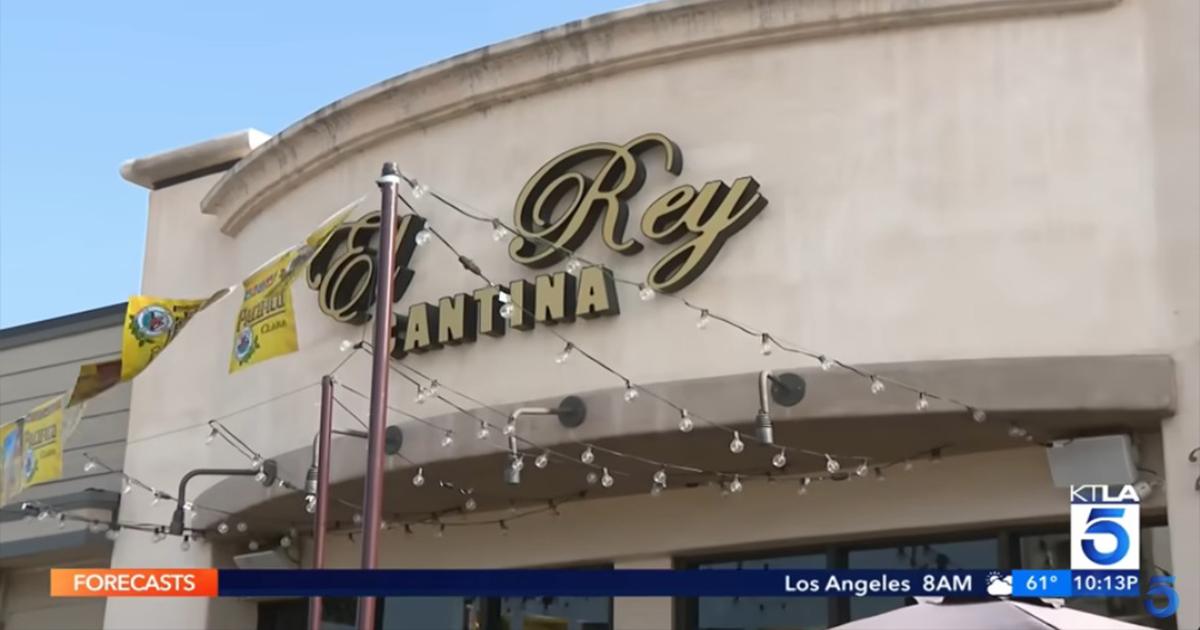
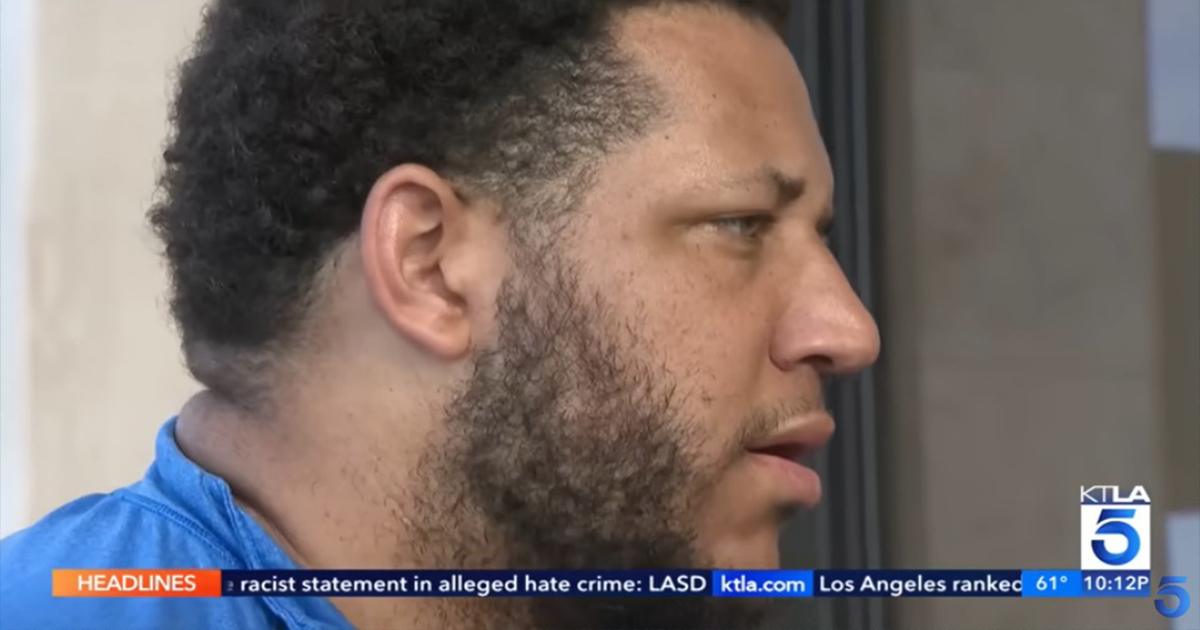
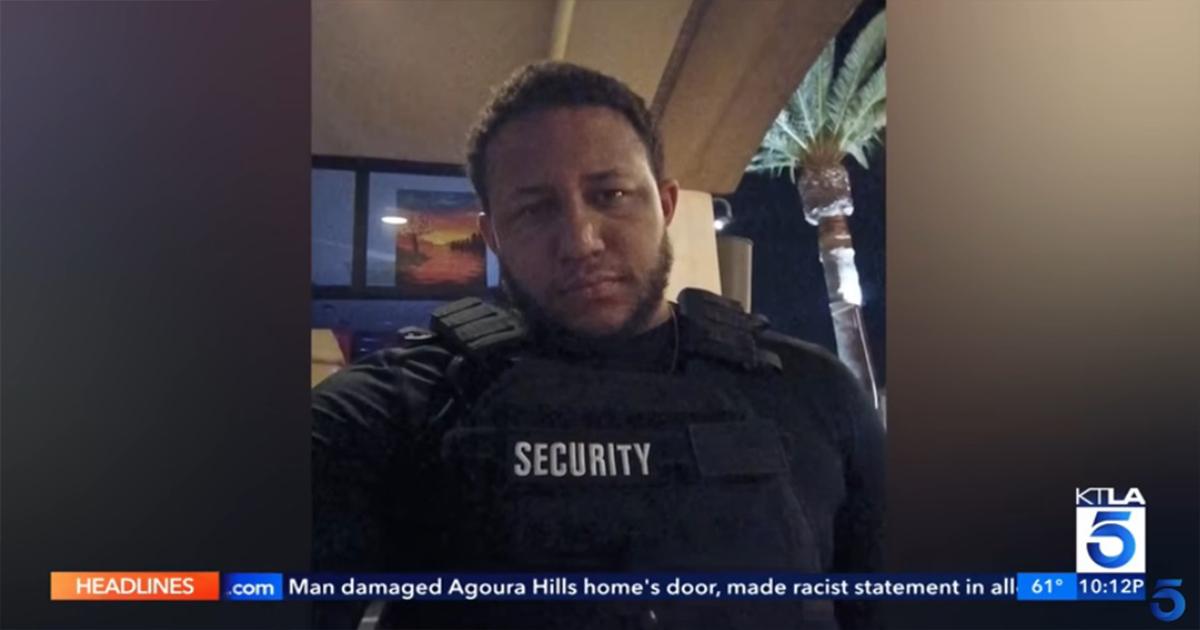
Jaiden Perkins was working the door at El Rey Cantina in Old Town Camarillo a little after midnight on March 30, 2025, when he saw a customer with both hands on a woman’s throat. He told the man he could not put hands on her like that. The customer was off-duty Ventura County Sheriff’s deputy Dylan Davis. Perkins says Davis answered, «I’ll f—king kill you,» and punched him in the cheekbone. Deputy Anthony Malagon joined the tackle. Perkins, a Black father of two from Oxnard, says the two of them kicked, punched, and stomped him until a patron pulled them off, and that he thought they were going to kill him.
The county later bought its way out of the civil half of that night. In July 2025 Ventura County paid Perkins $440,000 to resolve a tort claim he had filed in April seeking a little over $1 million. The Ventura County Star reported the deal in October, after a public-records request: $10,000 he had listed for medical bills, $50,000 for lost earnings, and $500,000 each in general and punitive damages, settled for less than half. Perkins agreed not to sue the county or its employees. The county wrote that it still «denies and disputes» every allegation. The check did not end the criminal case. It also did not take the deputies off the payroll.
Charged, and still drawing a county check
La oficina del Sheriff Jim Fryhoff puso a ambos hombres en licencia administrativa después de la lucha cantina y dijo que una investigación de problemas internos preguntaría si la política se había roto. The California Commission on Peace Officer Standards and Training suspended their licenses to work as peace officers. Meses después, los Ventura County Star todavía los describía como diputados con licencia pagada, libres bajo fianza, no como antiguos empleados. Ese es el hecho de que un titular de asentamiento tiende a enterrar. El público pagó al hombre en el suelo. El público también siguió pagando a los hombres acusados de ponerlo allí, mientras que estaban legalmente prohibidos de usar la placa que se suponía que la licencia debía proteger.
On July 16, 2025, District Attorney Erik Nasarenko announced the charges. Davis, born February 12, 1991, of Ventura, and Malagon, born August 19, 1997, of Camarillo, were each charged with felony assault by means likely to cause great bodily injury. Davis was also charged with felony spousal battery and a separate misdemeanor battery, the misdemeanor tied to a female off-duty deputy who tried to restrain him. At the arrest stage, investigators had also listed criminal threats and battery causing serious injury among the suspicions. Nasarenko called the domestic-violence and assault counts «particularly serious» and the product of a major-crimes investigation. Both men pleaded not guilty in August 2025.
A judge refused to turn the felonies into treatment
On March 2, 2026, Davis asked a Ventura County judge to divert the prosecution into mental-health treatment, the off-ramp that pauses a criminal case while a defendant is treated and can end it without a conviction. The judge said no. Perkins had already filed a victim-impact statement urging the court not to treat the beating as a wellness errand. The Star reported that Davis was sent back to a regular criminal hearing and that Malagon had his own date on the calendar. No public report since that ruling has replaced the felony file with a guilty plea or a dismissal. The men remain entitled to the presumption of innocence. They are not entitled to have the night reclassified as a private medical matter because one of them asked.
Diversion statutes exist for defendants whose illness is the story and whose conduct can be safely handled outside a cage. A deputy accused of choking his wife, threatening the worker who stopped him, and beating that worker with a colleague is a strange candidate for a quiet treatment docket. Perkins’s statement said so without the courthouse language. He had already taken the county’s money. He still did not want the criminal half of the night to disappear into a program.


What the tort claim says the injuries were
The government claim Perkins filed, through attorney Alexis Galindo, puts the time at about 12:10 a.m. and the place at 2302 Ventura Boulevard. It lists a concussion, head and neck injuries, facial abrasions and lacerations, and emotional distress. It asserts assault, battery, negligence, and a Bane Act claim, the California statute aimed at coercion and intimidation by someone acting with the power of the state. KTLA’s interview recorded the way Perkins described the aftermath: he left the cantina job because of the trauma, then lost grocery and Amazon shifts when his body would not keep the hours.
He was in his mid-twenties. The men who beat him were carrying badges when they walked into the bar and criminal complaints when they left it. Off-duty status does not create a private fighting league. It is supposed to raise the standard. Davis was not an anonymous drunk in a booth. He was a deputy whose department then had to explain why two of its own were on the floor of a restaurant beating the employee who stopped a chokehold. Surveillance inside the restaurant, according to charging coverage, showed Davis shoving his wife before the fight moved outside. Patrons filmed enough of the walk from the table to the sidewalk for local television to reconstruct it.

The domestic count is the point, not a footnote
The easy version of this story is two cops versus a bouncer. That version is incomplete. Perkins says he intervened because a woman was being choked. Prosecutors added a spousal-injury count against Davis and a misdemeanor that accuses him of battering a woman who tried to stop him. If those counts are proved, the beating outside was not a bar scuffle that got out of hand. It was the second stage of a domestic assault that a Black security worker interrupted and paid for with a concussion.
Off-duty deputies do not shed the duty not to put hands on a spouse. They also do not acquire a right to destroy the person who tells them to stop. County settlements have a habit of sanding that sentence off. Four hundred and forty thousand dollars can look like closure in a budget line. It is not closure on a felony calendar, and it is not closure on a paycheck that kept moving while the licenses were suspended. Readers who follow The AEGIS Alliance police accountability desk have seen the same split in other uniforms, including the Logansport officer whose felony neglect of a child became a one-day misdemeanor y el Alabama 911 call that ended with a man dead after he asked for help.
What the wire transfer did not buy
A claim is not a verdict, and a denial in a settlement recital is not a finding of fact. Davis and Malagon will get their day in court if the district attorney keeps the file alive past the diversion loss. Perkins already had his, on the floor of a cantina, because he told a deputy not to choke his wife. The cameras inside El Rey, the hospital record, the Bane Act language in the claim, and the victim-impact letter are now the state’s problem. They are not a form the county can close with a wire and a sentence that says the allegations are disputed.
Camarillo’s restaurant strip is not an anonymous freeway exit. People in that room knew what a chokehold looked like, and one of them did the job his vest required. The institution’s answer, so far, has been a check to the worker, a suspended license, a paid leave, a not-guilty plea, and a failed attempt to move the felonies into treatment. That is not the same thing as a jury. It is the record The AEGIS Alliance is leaving on the page until a jury, or a plea that admits what the video shows, replaces it. The US news file on this site will keep the distinction: money can settle a lawsuit. It cannot unring a deputy’s hands on a woman’s throat, or the beating that followed when a Black bouncer said to stop.