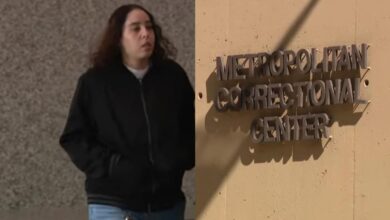
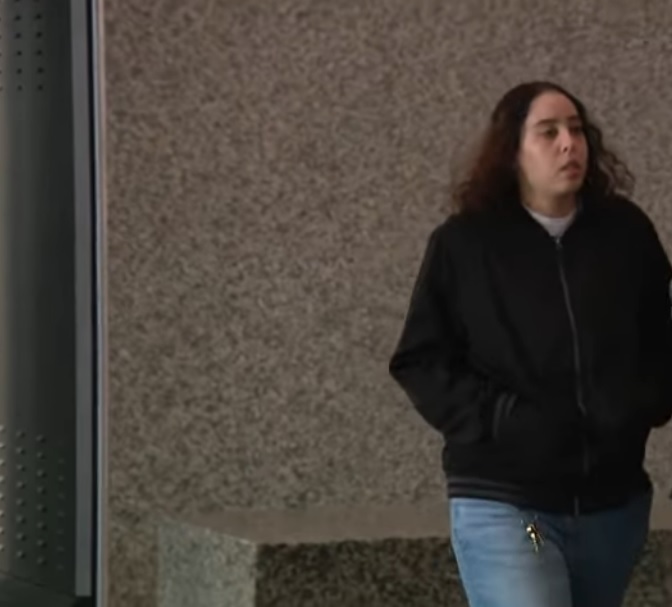
Former Chicago Federal Guard Brittany Hall Faces Eight Counts Alleging Sexual Abuse of Inmates Inside MCC Unit 12, Including Heather Mack


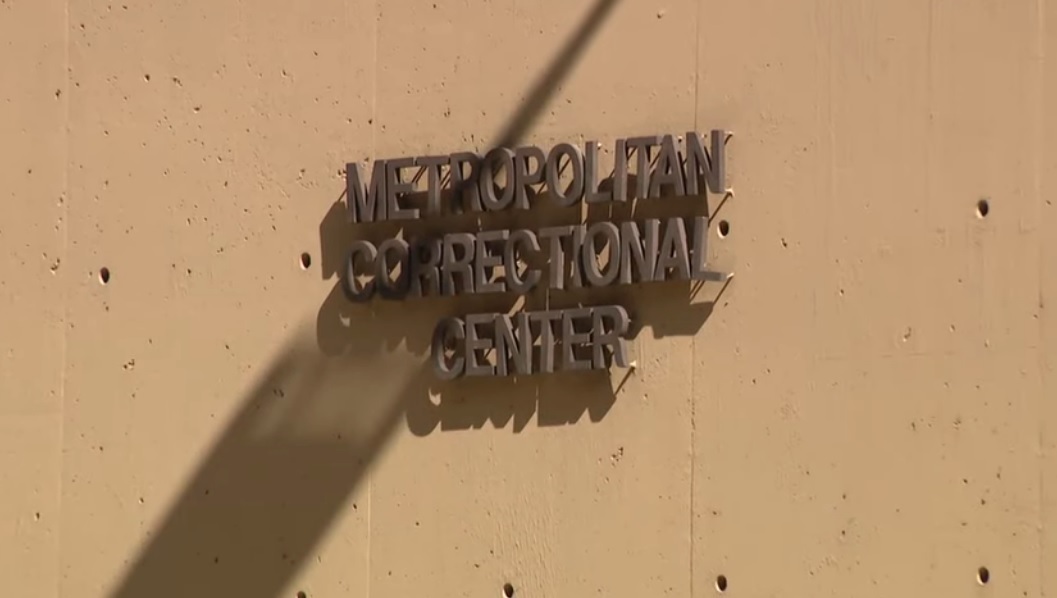
Los fiscales federales en Chicago dicen que el oficial asignado para vigilar a las mujeres en el piso 12 del Centro Correccional Metropolitano utilizó ese puesto para abusar de ellas. Brittany Hall, 31, ex funcionario correccional de la Oficina de Prisiones, fue acusado el 4 de marzo de 2025, en el caso 1:25-cr-00119. En el documento de carga se enumeran cinco cargos de abuso sexual de un pabellón menor de 18 Estados UnidosC. 2243(b) y tres cargos de contacto sexual abusivo bajo 18 Estados UnidosC. 2244(a)(4). Estados Unidos El abogado Morris Pasqual anunció los cargos dos días después. la oficina de Chicago del FBI y la oficina del Inspector General del departamento de justicia construyeron el caso. Cada cuenta de abuso sexual lleva hasta 15 años. Cada cuenta de contacto lleva hasta dos. Stacked, la acusación expone a Hall a más de 80 años si un jurado condena cada cargo.
La conducta alegada es a partir de diciembre de 2023 dentro de la Unidad 12, el nivel de las mujeres de la cárcel de alta altura del centro. Two of the four alleged victims were awaiting trial. Dos ya cumplieron sentencias. Hall se declaró inocente el 6 de marzo de 2025, ante el Magistrado Heather K. McShain y se retiraron en condiciones de bonos ambas partes habían acordado, incluyendo una regla que ella le dijo a cualquier futuro empleador sobre los cargos. The trial judge is United States Juez de Distrito Robert W. Gettleman. Asistente de estados unidos abogado Jonathan L. Shih es perseguido. Thomas More Leinenweber is defending. una acusación es una serie de acusaciones. Hall se presume inocente hasta que un jurado o una petición diga lo contrario.
A Key Is Not Consent
La ley federal trata el contacto sexual entre un guardia y un prisionero como un delito incluso cuando el prisionero parece estar de acuerdo. El desequilibrio de poder es la ofensa. Una persona que controla el movimiento, los escritos, el comisario y si se abre una puerta no puede obtener el consentimiento legítimo de la persona al otro lado de esa puerta. El Justice Department’s charging statement está construido sobre esa regla. Hall supervisaba la unidad. Las cuatro mujeres vivían bajo esa supervisión. Esa es la teoría. No requiere que el gobierno demuestre una lucha. Requiere que el gobierno demuestre el contacto y la insignia.
Hall dimitió de la Oficina de Prisiones en 2024, antes de la acusación. La Mesa emitió la frase estándar de tolerancia cero y dijo que el personal que rinde cuentas disuade del siguiente caso. Esa sentencia sería más difícil si el MCC Chicago fuera más fuerte. No lo es. The Prison Rape Elimination Act has been law for two decades. Los archivos generales del Inspector siguen repitiendo la misma geometría: un funcionario con llaves, una unidad de vivienda con una cobertura de cámara fina, y prisioneros que hacen las matemáticas y deciden que un informe costará más que silencio. Las auditorías de PREA, las reglas de supervisión de género y los planes de cámara existen en papel. La acusación dice que esas capas fallaron en el piso 12 durante el mes de diciembre de 2023.
The Name That Carried the Paper Onto Cable
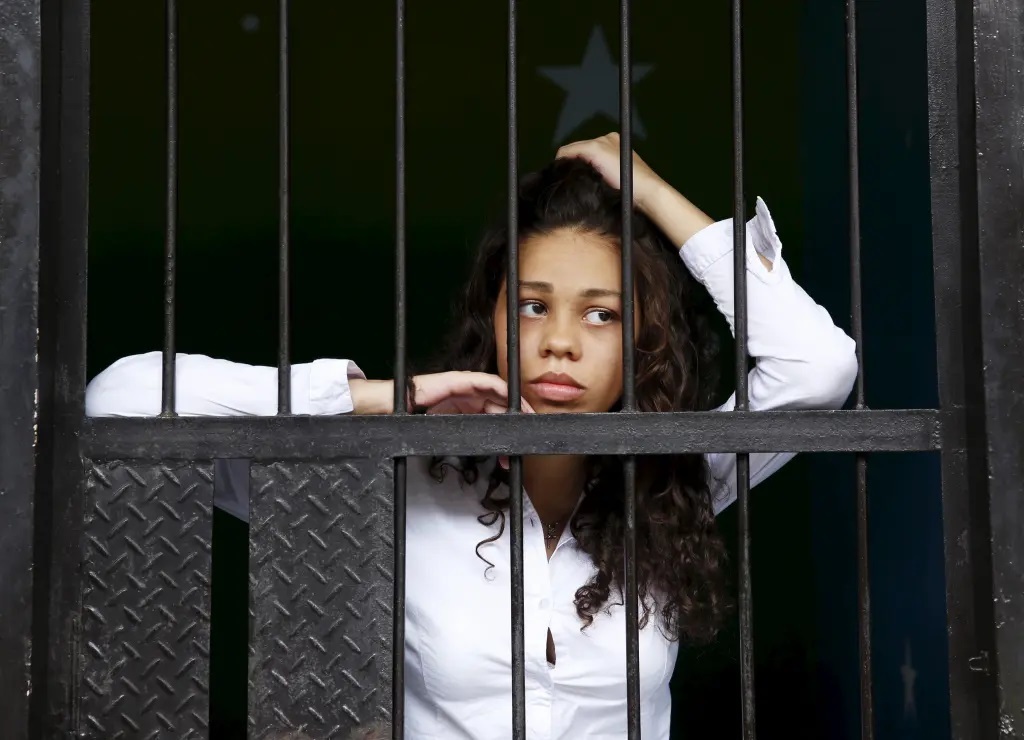
One alleged victim is Heather Mack, the Oak Park woman who pleaded guilty in the 2014 killing of her mother, Sheila von Wiese-Mack, at a Bali resort. Mack and then-boyfriend Tommy Schaefer stuffed the body into a suitcase. After an Indonesian sentence, Mack took a federal conspiracy plea in Chicago and received 26 years in January 2024. She had been held at MCC Chicago from November 2021 until her transfer in 2024. The New York Post reported that Hall was in the courtroom at Mack’s sentencing, and that text messages routed through a third party showed Mack had already told her lawyers about the alleged abuse and did not want contact. One message attributed to Hall read, «Ask her why I am blocked.»
Mack’s transfer to a long-term prison was delayed while the Bureau looked at alleged sexual misconduct involving Hall and four women on the unit. Later reporting placed Mack at a medium-security federal facility in West Virginia, with a projected release in March 2044, when she would be 48. A hometown profile in August 2025 said she still talked about a sentence reduction tied to the Hall case. No such mechanism has been announced by the Northern District of Illinois. The hope shows how a staff-abuse file sticks to a famous prisoner and bends both stories.
Mack’s crime does not erase the allegation. A person serving 26 years for murder can still be sexually abused by a guard. The reverse is also true. A tabloid nickname does not prove Hall guilty. The other three women do not have global headlines. In a trial transcript their initials will do more work than they ever did on cable. The Post’s reading of the indictment placed the already-sentenced prisoners as Victims C and D and the pretrial detainees as Victims A and B, with the most explicit contact counts attached to Victim A. Those labels are the government’s, not a verdict.
A Famous Murder File Moved. This One Went Quiet.
After the March 2025 arraignment, public updates on Hall thinned to almost nothing. Local reporting that summer mentioned another court date in September 2025. Through 2026, widely published coverage has not produced a plea, a dismissal, or a verdict. That silence is ordinary in a federal sex-abuse case with unnamed victims and a defendant on bond. It is also the problem with measuring the Bureau’s zero-tolerance speech. A press release is not a trial. A resignation is not a sentence.
The contrast inside the same courthouse is hard to miss. Tommy Schaefer, Mack’s former boyfriend, was extradited and arraigned in Chicago in February 2026 on the Bali murder conspiracy. On August 27, 2026, U.S. District Judge Matthew F. Kennelly denied his bid for release. Prosecutors called him a flight risk and a danger. His lawyer said the relationship with Mack was over and that MCC was not treating his medical problems. A jury date in that separate case was set for January 11, 2027. Schaefer’s docket is loud. Hall’s docket, in the news the public can read, is not. They share a building and a murder story. They are not the same prosecution, and Hall’s charges do not rise or fall with Schaefer’s bond ruling.
Four women would have had to use a complaint path that runs through the same agency that employed the accused officer. That is why an outside inspector general matters, and why civil cases like the lawsuit over decades of alleged abuse at Spokane County’s juvenile lockup arrive years after the conduct. Institutions write the first report. Prisoners file later, if they file at all. The AEGIS Alliance has documented that sequence in other jails and in police files where the person with the badge drafts the narrative. The Hall indictment is unusual only because one alleged victim already had a headline. The structure is ordinary.
What a Real Record Would Have to Show
If prosecutors try the case, jurors will have to hold two facts at once. Federal jail staff can be predators. Famous prisoners can still be victims. If the case ends in a quiet plea, the public will get a number and no map of how Unit 12 was left unsupervised for a month. If it dies on a motion, the Bureau will still have a resignation letter and four women who already learned what reporting costs. Hall’s bond treats the charges as serious enough to follow her into a job interview and not serious enough to hold her before trial. Staff watching from other units can read that split. The first consequence on display so far is unemployment, not a cell.
MCC Chicago sits in the Loop, a short walk from the Dirksen courthouse that still has to do something with this file. Until a hearing produces more than an arraignment minute, the verified public facts are the ones in the indictment: four inmates, one former officer, eight counts, December 2023, and a housing unit that was supposed to be the safest door in the building. The AEGIS Alliance will keep treating those counts as allegations and the quiet calendar as part of the story. A jail that cannot police its own keys has already described the kind of custody it runs.
More on how institutions answer for abuse inside their walls is in noticias, police accountability, y U.S. news.