Tiffany Henyard Lost Dolton in a Landslide After FBI Subpoenas and Landed on a Fulton County Ballot

Tiffany Henyard wanted the title said out loud. Super mayor of Dolton, Illinois, a village of modest houses and a chronically empty finance director’s chair, and, on the side, supervisor of Thornton Township after she was appointed in 2022 following Frank Zuccarelli’s death. The combination put one politician over a village budget and a township budget at the same time. By the spring of 2024, FBI agents were in both buildings. Witnesses from the business strip, former employees, and at least one public official told local television they had been interviewed. Subpoenas landed at village hall and at the township. A seven-page federal demand sought payments, reimbursements, per diems, and credit-card spending for Henyard back to just before the 2021 election, and the same class of records for her top administrator, Keith Freeman, for businesses tied to him, and for trustees and employees who had traveled with her. A separate request covered her charitable foundation. She said, through a public-relations firm, that she and the village had not been contacted and had not been served. The agents kept working. She has not been charged. That sentence is not an exoneration. It is a description of a file that has outlived her offices.
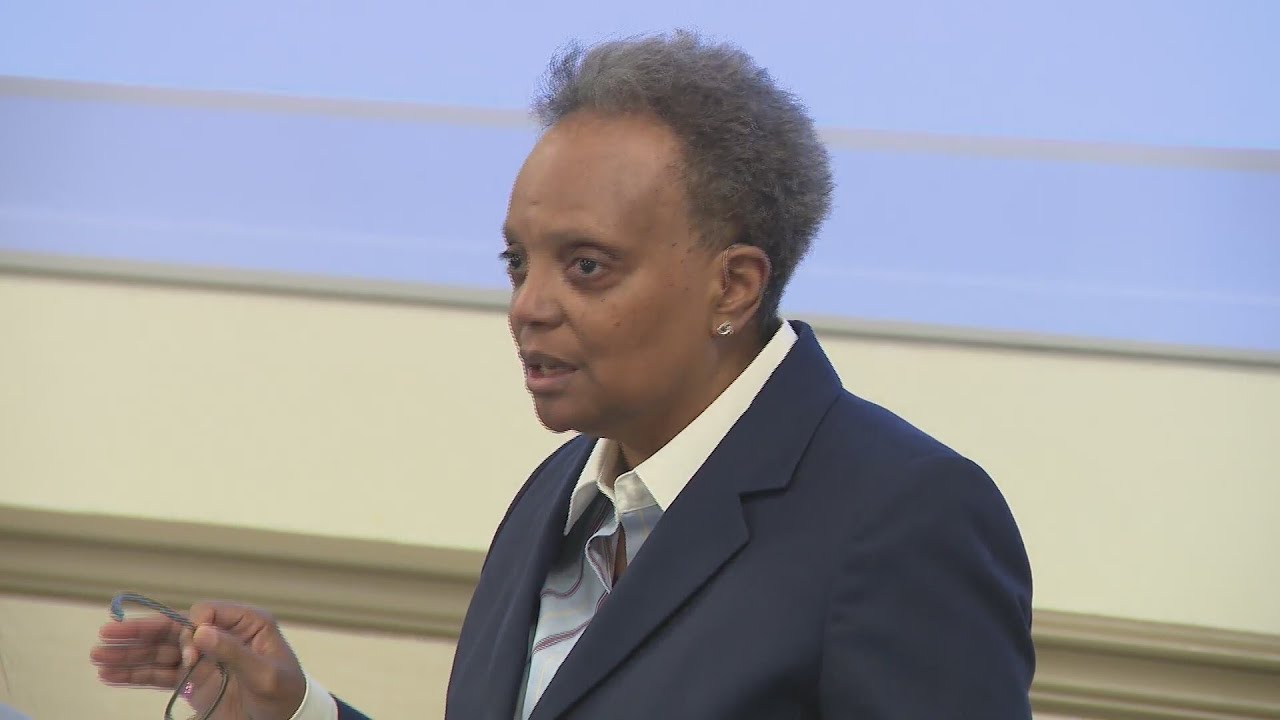
The trustees did not wait on a grand jury. They voted to investigate the spending. She vetoed the resolution. They overrode her and hired former Chicago mayor Lori Lightfoot, then a senior consultant at Charles River Associates, to find facts for the board, not to file a criminal case. Lightfoot’s assignment was specific: the Las Vegas trips in May 2022 and May 2023, the village’s use of American Rescue Plan Act money, contractor hiring, and payments to vendors without approval. She delivered the final briefing on January 27, 2025, in a packed room at the Lester Long Field House. The line she used to open the political meaning of the numbers is worth quoting in full. «Beginning at least as early as late 2021, there was a concerted, systematic effort on behalf of Mayor Henyard and others in her administration to hide the true financial condition of the Village of Dolton from the trustees and from members of the public.»
Two sets of numbers, and why both can be true
The dollar figures in the coverage look like they contradict each other until you notice the clocks. Across 2021 through June 2024, Lightfoot’s review put travel — airfare, extra baggage, rental cars — above $171,000, restaurant charges above $51,000, and Amazon purchases above $48,000. A large share of the Amazon money was tied to a village ice rink, charged to village cards with no evidence the purchasing rules or a competitive bid had been followed. Cards were also used at Best Buy, Wayfair, and Apple. Receipts that did exist sometimes said only «meals» or «donuts.» Six village credit cards were in use from January 2021 through at least June 2024, and the missing paperwork made it impossible, in many cases, to say who bought what, who approved it, or whether the purchase was governmental at all. WGN’s broadcast of the same presentation described the single year 2023, when card spending peaked above $775,000 — the Sun-Times accounting of the spike put it at $779,638 — including more than $200,000 at Amazon and more than $117,000 on travel inside that one year. The multi-year travel total and the one-year card spike are not the same pile of receipts. Treating them as a discrepancy is how a careful audit gets dismissed as sloppy journalism.
The Las Vegas trips were sold locally as economic development, a delegation to ReCon, the International Council of Shopping Centers convention. Lightfoot found the cards paid for large groups in May 2022 and May 2023 and found no business that came home with them. On the federal relief money, Dolton had taken in more than $3 million in ARPA funds, one tranche in 2021 and another in 2022, and about $1.7 million was still unspent when she looked. Nobody had been designated to track it the way the U.S. Treasury requires. The report’s language on that point is dry and damaging: village personnel had failed to complete any of the required reporting, and the contemporaneous documentation was not there. By early March 2022, trustees were already being blocked from routine financial reports. The finance director job had sat empty since early 2024. The outside accounting firm, John Kasperek Co., was functioning as the finance department. Lightfoot was explicit that her work was not a criminal investigation. She also did not verify Henyard’s claim of a Robert Morris College degree, and she found no written background-check policy, with three employees who likely would have failed one if it had existed.
The Illinois Attorney General had already ordered her nonprofit, Tiffany Henyard CARES, to stop soliciting because the required financial reports were not filed. By April 2024 the village was a defendant in nearly 40 active lawsuits. None of that is a federal indictment. All of it is why a south suburban board hired a former mayor of Chicago to read the card statements out loud.
The aide pleaded. The mayor changed parties.
Voters settled the political question before the FBI settled the legal one. On February 25, 2025, Henyard lost the Democratic primary for mayor to trustee Jason House, a man who had come in with her on the 2021 ticket and spent the term as an opponent. The split was about 88 percent to 12 percent. She also failed to secure the Democratic nomination for a full term as Thornton Township supervisor; Napoleon Harris took that at caucus. She left both offices in 2025. House’s allies described a village that had gone from healthier balances to a multimillion-dollar hole. Lightfoot’s later update, delivered in pieces, described a general-fund deficit that had improved to about $2.4 million by October 2024 as spending slowed and property-tax timing changed. Improvement is not the same as a clean book.
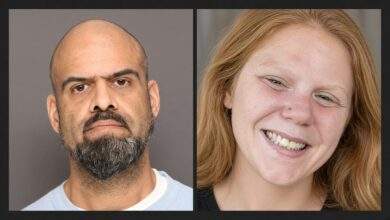
The criminal cases that did get filed had her former inner circle’s names on them, not hers. On March 17, 2026, Keith Freeman, who had been administrator for both the village and the township until the township fired him in July 2024 over attendance, pleaded guilty in the Northern District of Illinois to bankruptcy fraud and to filing a false tax return. Judge John F. Kness accepted the plea. Sentencing was put off so Freeman could keep cooperating with the U.S. Attorney. A status report was due on or before September 17, 2026. The Chicago Tribune, reading the agreement, reported that Freeman obtained $254,700 in pandemic Economic Injury Disaster Loans by putting false information on three applications between June 2020 and February 2021, for companies including Colab Leaders and Heirs 2 Heaven. A January 2024 Chapter 7 filing concealed bank accounts, income, and a claim against him, including the account that received his township salary. The agreement anticipated 30 to 37 months in prison and $552,278 in restitution, a number that reflects loss to governments, not a Dolton travel voucher. Former police chief Lewis Lacey, another close Henyard administrator, had already taken a plea on federal bankruptcy charges in November 2025. Cooperation agreements are how federal investigations move from the person who signed the loan application to the person who signed the checks. They are not a conviction of the elected official. Dolton has also sued Fifth Third Bank, alleging the bank allowed Henyard to sign 251 checks totaling about $1.9 million that the village calls fraudulent. That lawsuit is a municipal claim about a bank’s controls. It is not a finding by a jury.
Henyard did not retire. She said her Georgia residency began in May 2025. She obtained a Georgia driver’s license on February 26, 2026, registered to vote the next day, and in March 2026 filed as a Republican for Fulton County Board of Commissioners, District 5. A residency challenge went to the elections board, which voted 3 to 1 on April 20, 2026, to leave her on the ballot. She pointed to a lease, a business, and a daughter’s school after critics questioned the pay she had drawn in Illinois. On May 19, 2026, she was the only Republican in the primary and took 1,136 votes, the smallest winning total among the primaries on that ballot, which is what an unopposed race in a small GOP electorate produces. Emory political scientist Andra Gillespie, speaking to Chicago television, treated the number as a warning rather than a mandate. She faces Democrat Helen Willis on November 3, 2026, in a district that leans heavily Democratic. Ballotpedia lists the race as a long shot for a Republican. In June 2026 a Cook County judge ordered former landlord Genetta Hull to pay her $1,500, rejected a claim that Henyard owed about $10,000, and directed boyfriend Kamal Woods, a Dolton officer during those years and a name on the federal paper, to pay more than $7,000. The federal questions she left in Dolton are still questions.
The AEGIS Alliance has covered other public officials who met a federal file while they still held a title, including former Tennessee Representative Robin Smith, sentenced to eight months in a corruption scheme, and the older Lee County, Florida, record on Sheriff Mike Scott. The Dolton card statements are in the Chicago Sun-Times account of Lightfoot’s briefing, and Freeman’s plea is in the Tribune. More of this beat is on Política y Crime News.