Takeshi Ebisawa idømt 20 år i New York for sammensværgelse med trafikvåben plutonium, narkotika og skydevåben

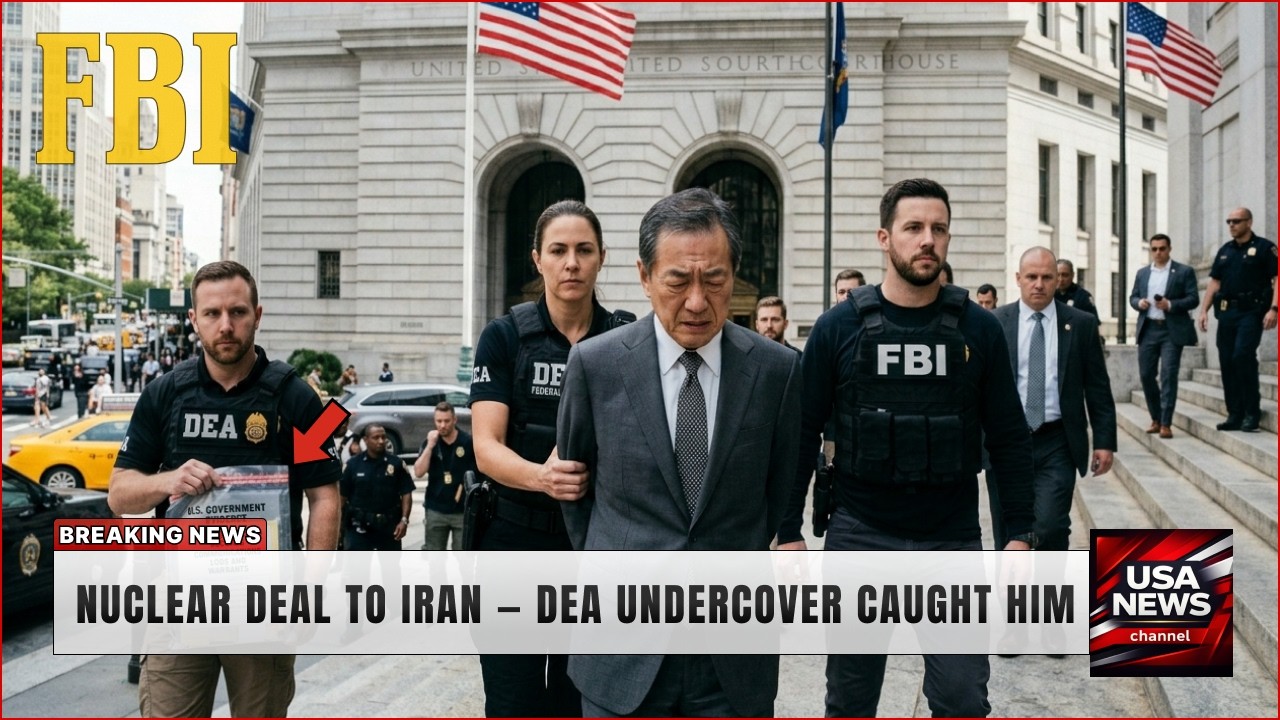
Takeshi Ebisawa walked into a Manhattan courtroom as a Japanese national prosecutors called a yakuza figure and walked out with a 20-year federal sentence. On March 3, 2026, U.S. District Judge Colleen McMahon imposed that term for a conspiracy that mixed nuclear-material trafficking, narcotics, firearms, and money laundering. The Justice Department said Ebisawa offered uranium and later proposed plutonium as “better” and more “powerful” for what he believed was an Iranian weapons program. The buyer was not a general. It was the DEA.
The AEGIS Alliance treats this file as a sting that worked and as a warning that did not need a working bomb to matter. A man willing to shop nuclear samples is a customs problem, an intelligence problem, and an organized-crime problem at the same time. The laboratory language in the record is the limit of what can be said about the material itself. The rest is what he thought he was selling, and to whom.
Hvordan brodden blev bygget
The investigation ran from about 2019 until Ebisawa’s arrest on April 4, 2022. The DEA Special Operations Division Bilateral Investigations Unit and IRS Criminal Investigation led it. Undercover officers posed as traffickers who could move product and pay for hardware. Ebisawa introduced them to a network that, prosecutors said, stretched from Japan through Thailand and Myanmar.
The nuclear pitch did not arrive first. Early conversations, according to charging papers, concerned heroin and methamphetamine from the Golden Triangle and a plan to push those drugs into the New York market. Weapons talk followed. Ebisawa and associates discussed brokering U.S.-made surface-to-air missiles and other heavy arms for ethnic armed groups in Myanmar, with narcotics offered as partial payment. Only after that relationship existed did he tell the undercover team that he could also source nuclear material.
In February 2022, Ebisawa and two co-conspirators met an undercover officer in Thailand. One of the co-conspirators produced samples. Thai authorities seized those samples and transferred them to U.S. custody. A U.S. nuclear forensic laboratory later reported detectable quantities of uranium, thorium, and weapons-grade plutonium. That sentence is the most important line in the case. It is also the line that should be read with care. “Detectable quantities” is not the same as a finished pit. It is still enough to put a broker into a nuclear-smuggling statute.
Ebisawa was arrested in New York with Thai co-defendant Somphop Singhasiri. Both were ordered detained. A superseding indictment later added the nuclear counts to the drug and firearms case that had already been filed. On January 8, 2025, Ebisawa pleaded guilty in Manhattan federal court to six counts. The plea carried a mandatory minimum of ten years and exposure to life. The sentence that arrived fourteen months later sat in the middle of that range. Public records later placed him at FCI Cumberland.
Hvad regeringen siger, han tilbød
Ifølge Justitsministeriet og New Yorks sydlige distrikt, Ebisawa first offered uranium and later proposed plutonium for the supposed Iranian end user. Assistant Attorney General John Eisenberg said the defendant tried to sell uranium, thorium, and plutonium “to fuel a purported nuclear weapons program, along with deadly drugs destined” for New York. U.S. Attorney Jay Clayton’s office framed the case as both a nuclear-smuggling conspiracy and a narcotics pipeline.
Nuclear-smuggling prosecutions often turn on whether a sample is what the seller claims. Sellers lie. Middlemen inflate. Laboratories sometimes find traces that do not match the sales pitch. Even a failed plot is a policy event. It forces customs services, energy ministries, and organized-crime units into the same room. Myanmar’s conflict economy, Thailand’s role as a transit state, and Iran’s sanctioned nuclear program all sat inside one indictment.
AEGIS Alliance vil ikke klæde prøverne på som sprænghoved. De retsmedicinske fund er specifikke: sporbart uran, thorium, og våben-grade plutonium. Det er nok til at vise hensigt og evne til at flytte begrænset materiale. Det er ikke en tegning af en anordning.
Etiketten overskrifterne elskede
American prosecutors called Ebisawa a leader in the yakuza. That word did the work of a thousand adjectives. It also drew a dissent. Jake Adelstein, the Tokyo-based reporter who wrote Tokyo Vice, published after the sentence that his own reporting did not tie Ebisawa to a recognized syndicate. Adelstein described him as a confidence man who may have been introduced to the DEA as a yakuza figure and then treated as one. Vogteren medbragte den kritik. New York tider Holde regeringens etiket i overskriften.
Both things can be true at once. A man can fail a yakuza membership test and still offer plutonium to people he believes are shopping for Iran. The statute cares about the offer and the sample. It does not require a family crest. Readers should hold the branding loosely and the laboratory report tightly.
Organized crime in Japan has spent two decades under pressure at home. Groups have lost members, bank accounts, and public cover. That squeeze is one reason figures with old underworld ties, or with a talent for imitating those ties, look for work in drugs, arms, and whatever else a buyer will fund. Nuclear material is not a typical product. That is why the case moved news.
Sætningen og kortet det forlader
Twenty years plus five years of supervised release is a long term for a man who never delivered a finished weapon. It is a short term if the government’s theory of a pipeline into an Iranian program is taken at full value. Judge McMahon had both the plea and the laboratory report in front of her. She did not have to decide whether Iran’s program would have used the material. She had to decide what a man who offered it deserved.
Co-defendants and the Thai side of the network remain part of the public record even when they are not in the same sentencing transcript. Singhasiri was arrested with Ebisawa in 2022. Other associates appeared in the undercover meetings. Transnational cases like this rarely end with a single name. They end with a chart that law enforcement keeps working after the lead defendant is gone.
Læsere, der følger kriminalnyheder on this desk already know the pattern: a sting, a plea, a number of years, a press release. The nuclear counts change the category. So does the Iran story the defendant thought he was joining. Whether that story was real, inflated, or entirely a product of undercover theater is a question the laboratory cannot answer. Intent still counts. Offering plutonium to a man you believe represents a weapons program is the offense.
Samme sæson denne sætning landede, andre skriveborde på AEGIS Alliance var at spore forskellige skjulte netværk. Google "s takedown af en skygge netværk, der kørte telefoner uden samtykke er ikke en yakuza sag. Det er endnu en påmindelse om, at de farligste rørledninger ser almindelige ud, indtil nogen åbner pakken. For hvordan Washington behandler tekniske trusler i sine egne bygninger, se arbejdsstationens brud gennem en stjålet BeyondTrust nøgle.
Ebisawa was in his early sixties at sentencing and had been in custody since April 2022. Twenty years from a 2026 judgment, with credit for time served, is still a career-ending number. The DEA will call that a win. Customs officers in Southeast Asia will call it a reason to keep scanning ore and scrap that does not look like ore or scrap. The AEGIS Alliance will call it a completed prosecution and an unfinished map. The map still runs through Myanmar, Thailand, New York, and whoever next decides that plutonium is a product they can sell.
For mere om grænseoverskridende kriminalitet, se arkivet om United States news og tidligere rapportering om Narkotika falder nær den nordlige grænseStoffer, våben og nu atomprøver dukker op i de samme efterforskningsenheder, fordi de mennesker, der flytter en smuglervare, ofte hævder, at de kan flytte en anden.