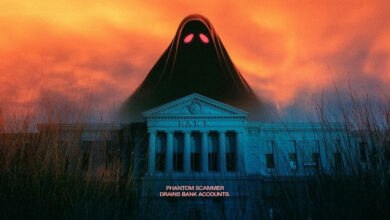
لا يزال أفراد طاقم المخترقين الأشباح يقنعون الضحايا بأخذ مدخراتهم بعيداً حيث أن الخسائر المتعلقة بالاحتيال في مجال دعم التكنولوجيا واضحة 2.1 بليون دولار


القراصنة في القصة لا يجب أن يلمس البنك هذا هو التصميم الذي قام مكتب التحقيقات الفدرالي بإسم احتيال فانتوم هاكر و لهذا تستمر الخسائر بالهبوط في العمود الذي يبدو على ورقة كما فعل الزبون جلسة مراقبة عن بعد وصوت ثانٍ يزعم أنه البنك وصوت ثالث يلوّح بختم فدرالي مكتب الإحتيال يعاود الإتصال بالضحية أرسلت المال إلى حساب "مأمون" ليس آمناً ولا ينتمي للحكومة
ويضع تقرير جرائم الإنترنت لعام 2025، الذي أصدره المكتب في نيسان/أبريل 2026، رقماً على الفئة الأم. وأسفر الاحتيال في مجال التكنولوجيا ودعم العملاء عن خسائر بلغت 818 675 2 دولارا في التقارير من 794 47 شكوى. وهذا يجعلها ثالث أكبر نوع من أنواع الخسائر في الملف، وراء الاحتيال الاستثماري بحوالي 8.65 بليون دولار والتسوية بالبريد التجاري بحوالي 8.65 بليون دولار 3.05 بليون دولار وقد أشارت المخرجات التي أطلعت على تحذير " فانتوم هاكر " في آب/أغسطس 2026 إلى خط الدعم التقني البالغ 2.1 بليون دولار. إعلان الخدمة العامة الصادر عن المكتب في سبتمبر عام 2023 وضع نمط ثلاث مراحل بحد ذاته أكثر من بليون دولار الطريقة لم تحصل على اسم جديد حصلت على إيصال أكبرالمكتب, الأمانة العامة)
ويحصل كبار السن على حصة غير متناسبة من الشكاوى والدولارات. وقدم 60 شخصا وأكبر سنا 266 201 شكوى في تقرير عام 2025، وأبلغوا عن خسائر بلغت 7.7 بلايين دولار، أي بزيادة قدرها 37 في المائة عن عام 2024، أي أكثر من أي فئة عمرية أخرى نص (فانتوم هاكر) مبني لهذه المجموعة: أصوات هادئة، أرصدة حقيقية على شاشة مشتركة، وقصة معلقة ستكون حركة متهوره
المرحلة الأولى جرد أغنى حساب
يبدأ كدعم تقني اقفال نوافذ التصفيق رسالة أو بريد إلكتروني تقول أن الآلة مصابة رقم هاتف يجلس في الزاوية كمكتب مساعدة الشخص الذي يجيب يمشي الهدف من خلال أنديسك أو فريق فيور أو شخص يشبه الاسم الذي يبدو وكأنه بائع في الحقيقة استخدم بمجرد أن تُعقد الجلسة، يُراقب المصرف و صفحات السمسرة لرسوم ليست موجودة. العمل الحقيقي هو قائمة أياً كان الحساب الذي يحمل مال التقاعد يتم تحديده للمكالمة التاليةWAPT)
لا شيء في تلك الساعة الأولى يجب أن يشعر وكأنه عصا. النبرة صبورة الأرصدة على الشاشة حقيقية لأنها صفحات الضحية الخاصة الكذبة هي أن شخص آخر في الداخل الخوف يرخص
المرحلة الثانية تقسم السلك حتى يبقى البنك هادئا
الممثّل الثاني يستدعي عدداً مختلفاً ويدّعي أنّه يعمل لحساب بنك الضحية أو نقابة إئتمان أو وسيط النص يقول أن طاقم ما وراء البحار يصرف الحساب والحماية الوحيدة هي تحويل إلى حساب قبض يديره الفيدراليون احتياط، خزانة، أو "وحدة استرداد." سلك واحد من ستة فواتير يمكن أن يعثر على عقد. خمسة أسلاك أصغر خلال أسبوع تبدو كزبون حذر وعندما يبدأ المخبر بطرح الأسئلة، يتحول النص إلى إسقاطات نقدية أو تحويل إلى عملة سرية.5 من كل)
المدعي العام في نيويورك وضع نفس التسلسل في إنذار على نطاق الولاية يستهدف كبار السن الاتحادات الإئتمانية تواصل إعادة طباعة جملة واحدة: لا توجد مؤسسة حقيقية ستطلب منك نقل المال من أجل الحفاظ على سلامته. من السهل طباعة الجملة على ملصق من الصعب أن نتذكر عندما يشاهد شخص غريب الشاشة وشخص غريب آخر يقرأ رقم الإثارة بصوت عالاليونان)
المرحلة الثالثة هي شارة مطبوعة في المنزل
الإدعاءات الأقرب أن تكون من مكتب التحقيقات الفدرالي، والخدمة السرية، أو مكتب اتحادي آخر. رسغ متحرك يصل هويّة المُتصلّب المُتجَرَّد تجعل الرقم المُحدّد يَنْظرُ محلياً أَو رسمي. أدوات الصوت تسمح للطاقم بمطابقة نبرة من المكالمة السابقة لذا الشخص الثالث يبدو كاستمرار بدلاً من شخص غريب جديد الطلب هو نفسه دائماً: النوافذ تغلق، لا تتصل بأحد آخر، تنقل الأموال الآن.
العميل (تشارلز جونستون) من المباحث الفيدرالية، يتحدث إلى تلفزيون (كليفلاند)، ويضع علم النفس في خط واحد: "يبدوا شرعيين جداً، وعندما يكون الضحية يعتقدون أن حساباتهم المالية في خطر، هم على استعداد لاتخاذ الخطوات التي ربما أنها لن تتخذ إذا كانوا يعتقدون ذلك من خلال
مرصد الموارد المالية الذي أنفقه في أوائل آب/أغسطس 2026 أعضاء يحذرون من خطة التقاعد بعد أن أوقف محاولة احتيال تستهدف أحدهم قبل أن ينتقل أي مال هذا ليس مخطط جديد وهي نفس الخطة التي تصل إلى مكتب للاستحقاقات كان يولى الاهتمام. في مايو 2026 مكتب المباحث الفيدرالية في (بوسطن) وصف إغلاقاً منفصلاً لعملية مركز الإتصال في الهند مع احتيال دعم التكنولوجيا. طاقم مختلف، نفس الزيGuideStone)
منتج متخصص داخل سنة قياسية
وسجلت لجنة التحقيق الدولية 3 597 008 1 شكوى في عام 2025، وهي المرة الأولى التي يعبر فيها المركز مليون شكوى في سنة واحدة، مع ما أُبلغ عنه من خسائر بلغت 877 20 دولاراً. مليار هذه قفزة 26% وكان نحو 000 453 شكوى من هذه الشكاوى غشّاً قابلاً للتداول عبر الإنترنت، وكانت تلك الشكاوى تمثل نحو 85 في المائة من الدولارات. وظهرت حالات الشك في 565 181 شكوى وأكثر من 11 بليون دولار من الخسائر. ولأول مرة، صاغ التقرير السنوي قسما يتعلق بالتبليغ الاصطناعي: 364 22 شكوى وحوالي 893 مليون دولار، معظمها مستنسخات صوتية وثعابين عميقة قفزت إلى ملاعب استثمارية ومكالمات ظالمة للأسرة. )أ(الجهات المانحة)
الشبح طاقم (هاكر) يستخدمون النهاية الرخيصة لتلك المجموعة لا يحتاجون إلى عمق مثالي من المشاهير انهم بحاجة الى عدد يبدو مثل الفرع وحكم يجعل التأخير يشعر وكأنه الإهمال. مكتب التحقيقات الفدرالي استعمل مستوى العملية حتى لتحذير الناس الذين يبدو أنهم في منتصف الشاشة، وهو جهد استحقه بخفض الخسائر بمئات من ملايين الدولارات عملية " وينتر شيلد " ، التي بدأت في عام 2026، هي حملة المتابعة التي تستهدف الأسر المعيشية والأعمال التجارية التي لا تزال تتحول إلى أشخاص المكالمات
تحالف (إيغيس) قد تعقّب مسارات الجيران 1.3 مليون دولار.. 21 مليون دولار.. IRS-impostor mail that dropped remote-access tools on thousands of inboxesو 700 منحة ائتمانيةأبواب مختلفة الحساب ينتهي في أيدي شخص آخر أكثر من ذلك الملف يعيش تحت المذنب و الولايات المتحدة.
الخبر الوحيد الذي لا يزال يعمل
لا تتصل بالرقم الذي رسم على البوب لا تضع البرامج لأن شخص غريب قال أن الآلة مريضة لا تسلم التحكم عن بعد حتى يستطيع شخص ما التحقق من الغش إذا زعمت رسالة أن البنك على الخط أغلق الخط و اتصل بالرقم على ظهر البطاقة أو على بيان كان بالفعل في المنزل. أي بنك حقيقي لَنْ يَسْألَ عن بطاقاتِ هديةِ، a تحويل للبريدو، أَو a سلك إلى الإحتياطِ الفيدراليِ إلى "حماية" a توازن.
إذا تبقّى سلك بالفعل، نفس اليوم هو اليوم الوحيد المفيد. أطلب من المؤسسة المُرسلة أن تُذكر البعض يشير إلى الأرض. والأغلبية لا تفعل ذلك بمجرد أن يفرغ حساب الاستلام في سلسلة من البغلات أو المزيج. اقفز IC3.gov(الناس الـ 60 والأكبر سناً يمكنهم أيضاً أن يدعووا (خط الخط الساخن للاحتيال الخاص بوزارة العدل رقم 1-833-FRAUD-11 (1-833-372-8311) خط مساعدة شبكة (آآرب) للاحتيال، 877-908-3360، يضع أخصائياً على الخط من دون منتج وتجميد الائتمانات في إكوفيكس، وفريسيان، وشركة ترانسون هي تأمين رخيص بعد أي جلسة يشاهد فيها شخص غريب أرقام الحسابات.
وتخسر المصارف الكثير من هذه المنازعات لأن العميل صدق على النقل. ولم تعد نوعية الإنتاج في النداء هي السبب. الهويات المختلة والأصوات المستنسخة يمكن أن تبدو و تبدو رسمية الخبر هو التعليمات: نقل المال في مكان جديد، في الوقت الحالي، ولا تحقق مع أي شخص يعرفك فعلا. Two billion dollars in a single tech-support year is not a rounding error in a retirement system. إن مدخرات الحياة خرجت من الباب من قبل الشخص الذي اكتسبه بناء على نصيحة الشبح الذي لم يكن في الكمبيوتر إذا أغلقت النافذة الشاشة، الخطوة التالية هي زر الطاقة.