لقب أخت مربوط بقاتل (رايموند أوجيدا) عام 1991 لرجل من عملاء المباحث الفيدرالية أطلقوا النار عليه في حديقة الغابات

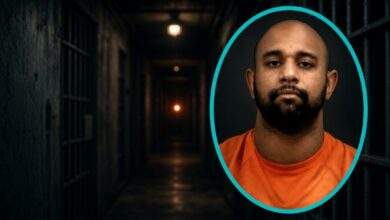
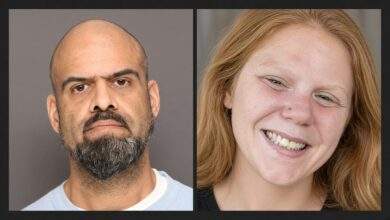
مقاطعة (سانتا كلارا) أغلقت جريمة قتل في (سان خوسيه) عمرها 33 عاماً عن طريق تسمية رجل دفن بالفعل On September 28, 1991, 15-year-old Gerardo Aguilar shot and killed 14-year-old Raymond Ojeda, a high school freshman, during a gang مواجهة على حلقة الثعلب في المسابقة الشرقية، بالقرب من الطريق السريع وطريق القصّة الشرقي. وحدد المحققون أغيلار وأصدروا أمراً بالأحداث. لقد ذهب قبل أن يخدمه أحد التحالف عائد إلى الملف لأن القاتل لم يكن في بلد آخر كان يعيش تحت اسم العائلة الجديد في ضاحية (سينسيناتي) إلى أن أطلق عليه عملاء المباحث الفيدراليّة في عام 2007 خلال تحقيق عن المخدرات (يفعل ذلك مع (سان خوسيه لا أحد في (أوهايو) في تلك الليلة كان يعلم أنهم مسحوا المدعى عليه (سان خوسيه) كان يصطاد منذ أول إدارة في (بوش)
مكتب المدعي العام (جيف روزن) في وحدة القضايا المُستدلِلة، تم فتحه في عام 2011، سحب القضية لأن العائلات لا تكبر برغبتها بإسم. المحقق (جون كاري) راجع سجلات العائلة و لاحظ أن شقيقة (أغيلار) استخدمت اسم العائلة (مولاتو) البحث عن (جيراردو مولاتو) ظهر صوراً لرجل في حديقة الغابات، (أوهايو) الذي بدا وكأنه مشتبه به في سن المراهقة هذا ليس مراقبة سينمائية إنه بحث للسجلات، مقارنة للوجه، والتأديب للدفع لاختبار الحمض النووي بدلاً من إعلان تشابه جيد بما فيه الكفاية. المكتب العام قال أن عمل المختبر أكد أنهم نفس الشخص كان (أغيلار) يعيش في (أوهايو) تحت اسم (مولاتو) لعدة سنوات
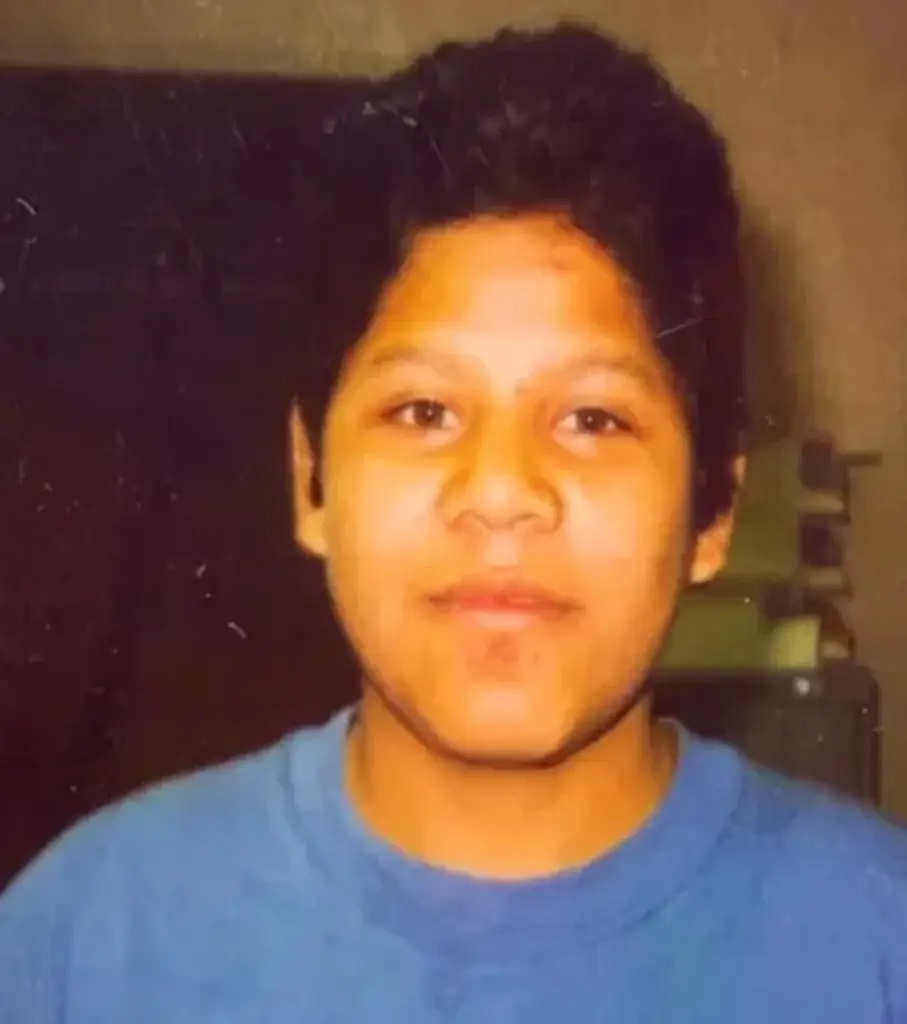
The Mercury News, CBS Bay Area, NBC Bay Areaو KRON4 نقلت الهوية في آب/أغسطس 2024. شرطة (سان خوسيه) كانت لديها مذكرة خلال التحقيق الأصلي لم يتمكنوا من العثور عليه منطقة الخليج افترضت انه غادر كان لديه
الاسم الأخير الجديد لم يشتري حياة هادئة
الإسم لم يبعده عن المشاكل المحلية In 2004, still using Mulato, he was arrested in Springfield, Ohio, after an alleged assault with aball. في عام 2007، فتحت المباحث الفيدرالية تحقيقاً في الاتجار بالمخدرات المدعين العامين يقولون أن (أغيلار) رأى عملاء يركبون متعقباً على سيارته و أساءوا معاملتهم لصوص عميل أطلق عليه النار وقتله لم يعلم المكتب ولا الشرطة المحلية في تلك الليلة أن الرجل الميت كان مشتبهاً به في جريمة قتل كاليفورنيا وأغلق إطلاق النار قضية مخدرات في أوهايو، وبدون أن يدرك أحد ذلك، أزال المدعى عليه الوحيد ملف فوكسديل لوب من أي وقت مضى.
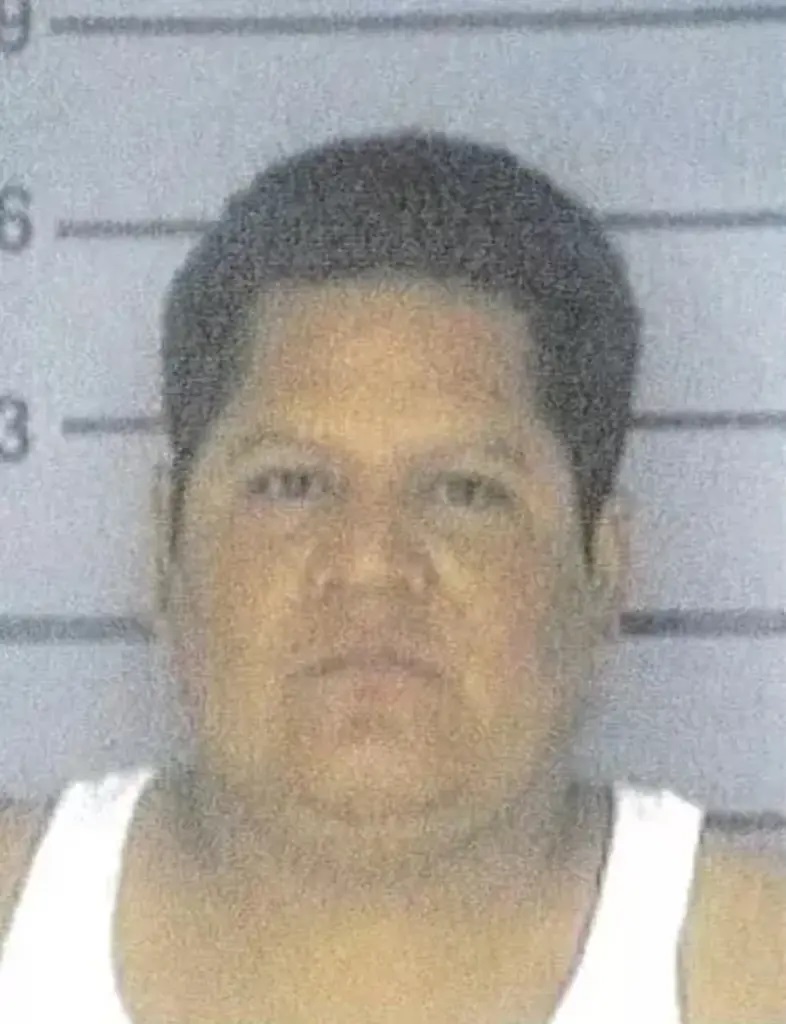
هذا هو الشكل الصعب للقضية الباردة التي تنتهي مع جثة بدلا من الحكم. عائلة (أوجيدا) لن تجلس في محاكمة لن يشاهدوا هيئة محلفين تقول الاسم في قاعة محكمة سانتا كلارا ما حصلوا عليه في عام 2024 كان تعريفاً، وزوجاً من الصور، ومدعي عام مستعد لقول الملف لم يعد مفتوحاً. (روزن) استعملت الإعلان لتأشير على عمل الوحدة الآخر: 20 جريمة قتل و 15 قضية باردة بسبب الإعتداء الجنسي تم حلها منذ عام 2018 لم يفت الأوان على التعرف على قاتل قد ينسى الناس لكن عائلات الضحايا ومكتبي لا
ما تعنيه كلمة "حل" عندما يدفن مطلق النار بالفعل
قسم الشرطة كما حلت الكلمة العائلات تسمع شيئاً آخر قضية حلّت مع مدعى عليه حيّ هي محاكمة، حكم، فرصة للنظر إلى الشخص الذي سحب الزناد. قضية حُلّت مع متهم ميت هي نشرة صحفية وتطابق الحمض النووي كلاهما يمكن أن يكون صحيحا. واحد فقط يبدو كعدالة في قاعة خارج قاعة المحكمة تحالف الأغس لا يتظاهر أن إطلاق النار في حديقة الغابات كان عقاباً على حلقة الثعلب لقد كان لقاءً اتحاديّاً منفصلاً حدث لقتل الشخص الذي سماه (سان خوسيه) عام 1991 العقاب، إذا كانت تلك الكلمة مناسبة، كان عرضيا. الهوية لم تكن
طريقة (كاري) هي الجزء الذي يجب أن تنسخه المكاتب الأخرى He did not wait for a new witness to grow a conscience three decades later. لقد تبع لقب أخته ووجد رجل في الغرب الأوسط كان يشبه الفتى في حزمة عام 1991 ودفع لمقارنة الحمض النووي يبدو أنّ الهويّات قد دمرت قضايا أخرى. المكتب يقول أن المختبر أغلق الفجوة بدونه، "جيراردو مولاتو" كان ليبقى نظرية مع رمز "سنسيناتي".
شرق سان خوسيه في عام 1991 لم يكن قصيراً في إطلاق النار على العصابات. مبتدئ في الرابعة عشر من عمره يحتضر في (فوكسديل لووب) كان ليلة أخرى في المدينة و بعدها لم تُعيد فتحه لسنوات وتنتهي صلاحية أوامر الأحداث في العقل العام حتى عندما لا تنتهي على الورق. كان (أغيلار) في الخامسة عشر أصبح راشداً في (أوهايو) تم حجزه هناك في عام 2004، وتوفي هناك في عام 2007، وفقط بعد 17 عاماً من إطلاق النار أصبح اسماً لـ(سانتا) كلارا راسب السنوات في المنتصف تعود لأقارب (أوجيدا) الذين عاشوا مع شخص فارغ حيث كان يجب أن يكون المتهم وكان إلقاء القبض على كتيبة البيسبول في سبرنغفيلد في عام 2004 لحظة كان يمكن فيها لفحص أمر قضائي وطني أن يتكلم. لم يفعل لا يرن الإنذار بنفسه عندما يكون الحدث المطلوب من "سان خوسيه" في "أوهايو" تحت اسم آخر شخص ما يجب أن يذهب للبحث ولأجل وقت طويل لم يفعل أحد
نفس الوحدة، قتل (سان خوسيه)، رجل آخر في (أوهايو)
تحديد (أوجيدا) لم يكن آخر رحلة للوحدة إلى (أوهايو) In may 2025, NBC Bay Area and abc7 reported that the same Cold Case Unit had arrested 69year-old Willie Eugene Sims in ohio for the 1977 خنق (جينيت) عمرها 24 عاماً من (سان ماتيو) عثر عليها ميتة في سيارتها بعد ليلة بالقرب من حانة على طريق آلمن في سان خوسيه نائب المدعي العام (روب بيكر) قال أن المحققين يعيدون طباعة بصمات من عربة سيجارة في السيارة و طابقوها مع (سيمز) تأكدت الصلة مع الحمض النووي الفيديو الوارد أعلاه هو أن الإعلان في وقت لاحق، وليس لقطات من أوجيدا. إنه ينتمي إلى هذا الملف لأنه يبين الطريقة: الورق القديم، البحث في قاعدة البيانات الجديدة، والمشتبه به الذي كان يعيش في نفس الولاية حيث مات (أغيلار) تحت اسم آخر (سيمز) كان حياً ليتم تسليمه (أغيلار) لم يكن الفرق هو قصة ما تعنيه كلمة "مغلقة".
وحدة (روزن) تم بناؤها في عام 2011 لأن جرائم القتل لا تدعو نفسها الحمض النووي أصبح أرخص عمليات التفتيش علياس أصبحت أسهل The Ojeda file is an advertisement for that model and a warning about its limit. إذا مات المشتبه به في مشهد وكالة أخرى، المقاطعة الأصلية قد لا يعرف لمدة 17 عاما. (كاري) اكتشف ذلك لأنه قام بكتابة اسم أخته الأخير إلى حانة بحث ثم رفض التوقف في صورة
يتتبع التحالف ملفات طويلة الأمد تحت الحالات و ♪بما في ذلك West Rockhill neglect sentences التي انقلبت أيضاً على ما وجده المحققون بعد سنوات من لا أحد الملاحقات القضائية الذي يحتاج إلى تسليم قبل تاريخ المحكمة. من أجل رؤية أوسع لكيفية بقاء المؤسسات على الأسماء الولايات المتحدة ملف
كان يجب أن تكون (أوجيدا) طالبة في السنة الثانية ثم تخرج ثم شخص أكبر من الصبي الذي أطلق النار عليه وبدلاً من ذلك هو رقم جريمة في عام 1991 و أخيراً لديه صندوق مغلق كان يجب أن يجيب (أغيلار) على طلب الأحداث في مقاطعة (سانتا كلارا) وبدلاً من ذلك مات في عملية إطلاق نار من المباحث الفيدرالية أن (أوهايو) كان يعامل كمحطة مخدرات صاخب التقت القضيتان لأن المحقق تبع اسم العائلة هذه ليست نهاية مرضية إنّها النهاية التي تدعمها الأدلة، والتحالف يسجلها، لذا العائلة التالية التي تنتظر عقوداً تعرف الانتظار ليس نفس الشيء مثل رفض النظر.