Shelby County Fired Cafeteria Worker Avette Dunn After Donor Cash for Student Lunches Went Into the PTO Fund


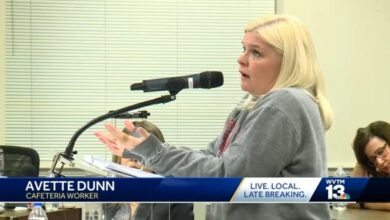
Avette Dunn spent years on the serving line at Shelby Elementary School in Columbiana, Alabama, putting trays in front of children whose families could not always clear a lunch balance. On February 24, 2025, after a hearing that ran close to six hours, the Shelby County Board of Education fired her. Superintendent Lewis Brooks recommended termination and later signed the letter. Principal Stacy Aderholt told the board the job requires trust. The district’s own account of the cash is that none of it was stolen. The dollars a donor handed Dunn went into the parent-teacher organization’s lunch fund.
That is the fact national coverage kept tripping over and the fact the board treated as beside the point. Dunn was not accused of pocketing an envelope. She was accused of collecting money outside a job description, of failing to tell the truth when a principal asked her about it in a crowded lunchroom, and of trying to keep a donor’s name quiet. The board called that a firing offense. Parents called it a school system punishing the person who noticed the lunch account was running out.
What the hearing actually established
A reportagem local apresentou uma história menor do que as manchetes. Um dador, identificado na conta do Shelby County Reporter da audiência como Wanda, concordou em ajudar e entregou um envelope com 100 dólares em dinheiro e um cheque de 100 dólares. Esses montantes foram depositados na conta do almoço da PTO. Dunn procurou-a novamente em 26 de setembro de 2024, perguntando se era possível mais ajuda para a mesma conta. O fundo, os pais e o Dunn disseram que estava a ficar baixo. Quando os administradores perguntaram o que ela tinha feito, ela não lhes disse na sala. Ela disse que estava assustada e que estava tentando manter uma promessa de que o doador poderia permanecer anônimo.
A membro do conselho, Peg Hill, perguntou-lhe directamente porque tinha mentido ao Aderholt. Brooks incriminou a rescisão como insubordinação, e ele amarrou essa palavra à veracidade em vez de a um depósito perdido. O conselho entrou em sessão executiva por cerca de uma hora e meia e voltou com um voto unânime para demiti-la. The Shelby County Reporter, ABC 33/40, e AL.com Todos carregavam a linha de duas partes do distrito. Pedir e aceitar doações não era seu trabalho, e ela não tinha sido treinada para lidar com elas. Nenhuma criança na Escola Primária Shelby, segundo as autoridades, jamais foi negada uma refeição, incluindo segundos.
Se essa segunda frase é verdade, o pote de almoço PTO ainda existe por uma razão que o distrito não gosta de dizer em voz alta. Dívida de refeições não requer um caixa para puxar uma bandeja das mãos de uma criança. Isso requer um equilíbrio que alguém eventualmente cobre, uma carta que vai para casa em uma mochila, e um trabalhador na linha que vê quais crianças já conhecem o roteiro. Dunn pensou que alguém poderia ser um doador que a encontrou primeiro, não um formulário que ainda não tinha sido escrito.
A decade of evaluations against one answer in a lunchroom
Dunn disse ao conselho que cometeu um erro e queria o emprego de volta. Uma suspensão de duas semanas, disse ela, corresponderia ao que ela fez. Ela já estava em serviço desde outubro de 2024, estacionado longe da linha enquanto o arquivo se moveu. "Eu cometi um erro e eu acho que eu deveria ser capaz de voltar para o meu trabalho", disse ela no quarto câmeras capturadas. "Na minha opinião, acho que devia ter sido suspenso durante duas semanas, mas estou fora desde Outubro."
Seus advogados observaram que a descrição escrita do trabalho não a proibiu de aceitar uma doação, que o doador iniciou contato, e que suas avaliações em torno de oito a dez os anos eram fortes em cada categoria. Eles a compararam com professores que passam por um link de DoadoresEscolha ou uma lista de desejos em sala de aula sem serem marchados para uma audiência de seis horas. O distrito não estava interessado nessa comparação. Mentindo sobre o dinheiro, os funcionários disseram ao conselho, não poderia ser negligenciado mesmo por uma causa que o quarto de outra forma gostava. A linha de Aderholt foi a que o voto seguiu: é imperativo que uma pessoa nesse papel pode ser confiável.
A Associação de Educação do Alabama apoiou-a em público. Uma petição Change.org pediu a reintegração. Um gofundme organizado por Laura Torres, "apoie Avette Dunn: ajude-a a voltar ao trabalho", passou sua meta de 5.000 dólares. Duzentos e seis doadores deram 7.502 dólares por contas enquanto ela estava fora do pagamento. Os apoiadores chamaram-lhe um dia triste para um sistema que escreve um memorando de política mais rápido do que ele aposenta o equilíbrio de almoço de uma criança.
The threats, and the question they were used to bury
Depois da votação, a história mudou. Brooks disse AL.com que a equipe estava sendo ameaçada sobre a cobertura que ele chamou impreciso. Esse risco é real num pequeno condado uma vez que um tablóide nacional lança um trabalhador de cafetaria como mártir e um diretor como vilão. É também uma névoa. O assédio dos funcionários não responde à pergunta que a audiência nunca resolveu em público. Se nenhuma criança é negada uma refeição, por que o PTO mantém uma conta de almoço em tudo, e por que é o trabalhador que encheu o que perdeu as chaves?
School finance rules exist because cash that floats through a kitchen can disappear. A district that has been burned on petty funds will treat any off-books envelope as a threat, even when the envelope is headed where the books say it belongs. That caution is not imaginary. What the board did with it is the fight. Termination after years of clean evaluations is not a reminder to use the right form. It is a message to every other lunchroom worker in the county: if a donor finds you first, walk them to the office or walk yourself out.
Meal debt is the policy the firing refuses to write
The School Nutrition Association’s trends report for the 2025-26 school year, drawn from fall 2025 responses, makes the dodge harder to maintain. Among programs that do not serve meals free to every student, 92.2 percent reported unpaid meal charges. Among programs that do serve every child free, the share reporting debt was 23.3 percent. The median unpaid balance in the survey slipped from $6,900 in fall 2024 to $6,000 in fall 2025, but the districts at the high end were carrying more, not less. Programs that must charge families reported meal debt at nearly four times the rate of programs that do not.
Alabama did not keep the pandemic-era rule that briefly made school lunch free for every child. Federal waivers ended, and local boards went back to charging, collecting, and explaining. Universal meals would erase the ledger Dunn was trying to patch with a $200 gift and a second ask in September. Until a state or a district writes that rule, cafeteria workers will keep meeting donors, principals will keep citing job descriptions, and boards will keep calling it a trust issue on days when the money was never missing.
The AEGIS Alliance has covered other public employees punished or praised for standing between children and a rulebook. Ohio driver Dorian Pace received a challenge coin for pulling 15 students off a burning bus. A Hartford honors graduate later sued after leaving school unable to read. Dunn’s file is smaller than either of those. It is also cleaner. A worker took money for lunches. The lunches were paid for. She is still out of the job. Readers who want the wider pattern can find it in the U.S. news desk and the news section of The AEGIS Alliance, where the institution is often the last party to admit what the hourly employee already saw.
Trust, when the tray is the product
Trust in a cafeteria is not an abstract virtue. It is whether the count at the end of the line matches the count in the drawer. By the district’s telling, the count matched. The breach was narrative. Dunn did not use the approved script when a superior asked a question in front of other adults. Boards like that kind of charge because it cannot be photographed the way an empty till can. There is no missing cash to slide across the table. There is only a worker who looked sideways and a donor who asked not to be named.
Parents who packed the meeting and signed the petition were not confused about the difference between a thief and a lunch lady. They know what a theft looks like. They also know what a debt letter looks like on a Friday. They watched a board choose the letterhead over the woman who tried to make the letter unnecessary. Reinstatement was the ask. A written path that lets a cafeteria worker walk a donor to the PTO without fearing a termination hearing would have been the adult version of the same ask. Shelby County issued neither.
The file is now a warning to every hourly employee in an Alabama school kitchen. Feed the children. Do not get caught holding the envelope that feeds them. The AEGIS Alliance is leaving the hearing video in this post because it is the record the board wanted: a solemn process, a trust issue, a clean ledger. The ledger should have saved her job. It did not. The money reached the account it was meant for. The person who carried it did not get to carry another tray.