Former Hardy Police Chief Scott Rose Convicted of Sexual Assault, Fined on the Felony, Jailed on the Alcohol Count, and Ordered Onto the Sex Offender Registry


A Sharp County jury needed two days to do what Hardy City Hall would not do for years: put a verdict on a police chief the town had already fired once and then handed a badge again. On August 28, 2026, former Hardy Police Chief Scott Rose, 48, was convicted of second-degree sexual assault and of knowingly furnishing alcohol to a minor. Arkansas State Police confirmed the result over the following weekend. He was ordered to register as a sex offender.
The sentence is the part of the file that will not sit still. The sexual-assault felony drew a $15,000 fine and no prison term. The alcohol misdemeanor drew a $2,500 fine and one year in the county jail, with three days of credit. Neighbors who sat through the trial left the courthouse arguing about that split, and they have not stopped.
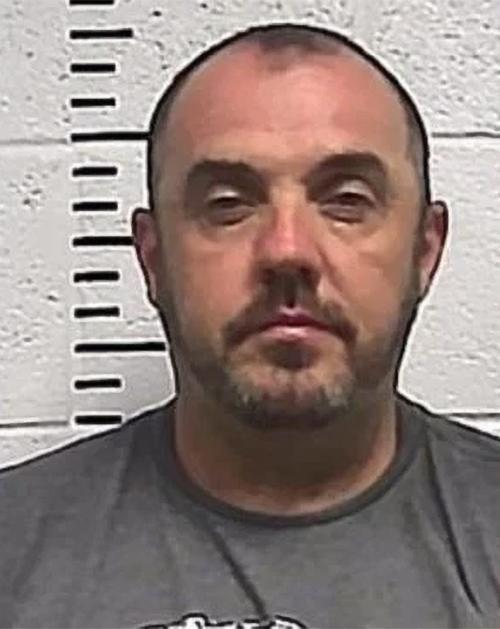
How the case left Hardy’s own building
Sheriff Shane Russell opened the file on March 31, 2025, after accusations against then-Chief Rose reached the Sharp County Sheriff’s Office. Early interviews produced more rumor than evidence. Interviews with the alleged victim and family produced enough for outside help. The Arkansas State Police Criminal Investigation Division, Homeland Security Investigations, and the FBI joined because the suspect ran the local department. That is the only structure that works when the accused man assigns the detectives.
Investigators questioned Rose at the FBI office in Jonesboro on June 2, 2025, and arrested him the same day. He was booked on second-degree sexual assault, sexual indecency with a child, first-degree endangering the welfare of a minor, and the alcohol count. District Judge Alex Bigger set a $100,000 bond and an ankle monitor. Mayor Ethan Barnes fired him and named Michael Himschoot interim chief.
Rose had already been fired from the same department in 2017 during a state police look at alleged theft and fraud, then rehired. Hardy got two chances to keep him out of a uniform. The second chance ended in a courtroom with a sex-offender registration order attached.
The AEGIS Alliance is not reprinting graphic allegations from the affidavit. The charge names, the verdict, and the registry requirement are enough. Anyone who needs confidential help can reach the National Child Abuse Hotline.
What the jury did, and what it did not do
Rose pleaded not guilty and hired Jonesboro attorney Martin Lilly. Trial had been set for April 13, 2026, then moved later in the summer. The jury convicted on two counts. Public reporting after the verdict has focused on those two. It has not described convictions on every original felony that appeared on the June 2025 booking sheet.
Local coverage from KAIT, White River Now, and the Arkansas Department of Public Safety recorded the fines, the year in county jail, the three days of credit, and the sex-offender registry. Jonesboro Right Now, citing the court clerk and attorney Zach Morrison, said the jury reached the verdict around 5:30 p.m. on August 28.
The town’s question is not complicated. Why did the sexual-assault felony produce a fine while the alcohol count produced incarceration? That is a sentencing question under Arkansas law, not a rumor about secret leverage. Juries recommend. Judges and statutes set the box those recommendations have to fit inside. Residents can still look at the box and say it does not look like accountability.
A medical transfer is not a rewrite of the verdict
On September 1, 2026, Sheriff Russell said Rose had been moved from the Independence County Detention Center back to the Sharp County Detention Center because of a medical condition that required attention. Russell put the disclaimer in writing. The change is a temporary housing arrangement. It is not a change in legal status. It is not a change in the sentence. Once Rose is medically cleared, the sheriff said, he will most likely be moved to another detention center.
That transfer became the first new fact after the conviction, and it arrived with the same civic reflex every small town knows: people treat a jail move as a plot. It is a medical bed. The registry order and the year in county custody are still the sentence.
KAIT’s follow-up report on the housing change is the clip worth watching now, because the arrest-day footage from June 2025 no longer describes the case. The case is a conviction, a registry tag, and a man serving time for the alcohol count while the felony that put him on that registry was punished with a check.
A badge is not a defense
Police chiefs do not get a separate criminal code. They get a conflict-of-interest problem the moment the accusation lands inside their own building. Sharp County solved that the only way that works: call the state police and the FBI before the suspect can assign the case.
The same pattern shows up in other badge files this desk has followed, including the Mobile homicide detective arrested by another department and the Ventura deputies who beat a bouncer after a chokehold. Different courts. Same structural point. The agency that employs the suspect should not own the investigation.
Hardy is not unique. Small departments rehire people they already fired because they need a body in a car and a name on a schedule. The 2017 state police look at alleged theft and fraud should have been a permanent lockout. It became a pause. The pause ended with children in an interview room and federal agents in Jonesboro.
Readers who follow police accountability news on this site already know the next chapter in files like this. The press conference is short. The hiring audit, if it happens at all, is quieter. City councils prefer to talk about the next chief. They do not prefer to talk about why the last one came back.
What Hardy is left with
Rose is no longer presumed innocent on the counts of conviction. He is a former chief with a jury tag, a four-figure fine on a sexual-assault felony, a year in the county jail for handing a minor a drink, and a legal duty to register as a sex offender. The city already replaced him. The remaining work is whether that sentence looks like accountability to the people who had to sit through the trial, and whether Hardy’s hiring process ever asks why it rehired a chief it had already fired.
The registry is the part that will outlast the jail calendar. Fines get paid. A year in county custody ends. A sex-offender registration order follows the man after the uniform is gone. That is the one piece of the August 28 verdict that cannot be waved off as a paperwork quirk.
The AEGIS Alliance will treat the medical transfer as a housing fact and the verdict as the record. Anyone looking for a softer story about a misunderstood small-town chief will have to find it somewhere else. The jury already spoke. The argument left in Hardy is about whether the punishment matched the words on the verdict form.