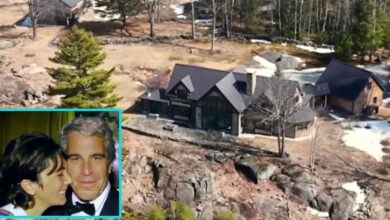
Ghislaine Maxwell’s Bradford Hideout Now Rents Its Farmhouse for $2,500 After UBS Wired the Purchase Past a Subpoena


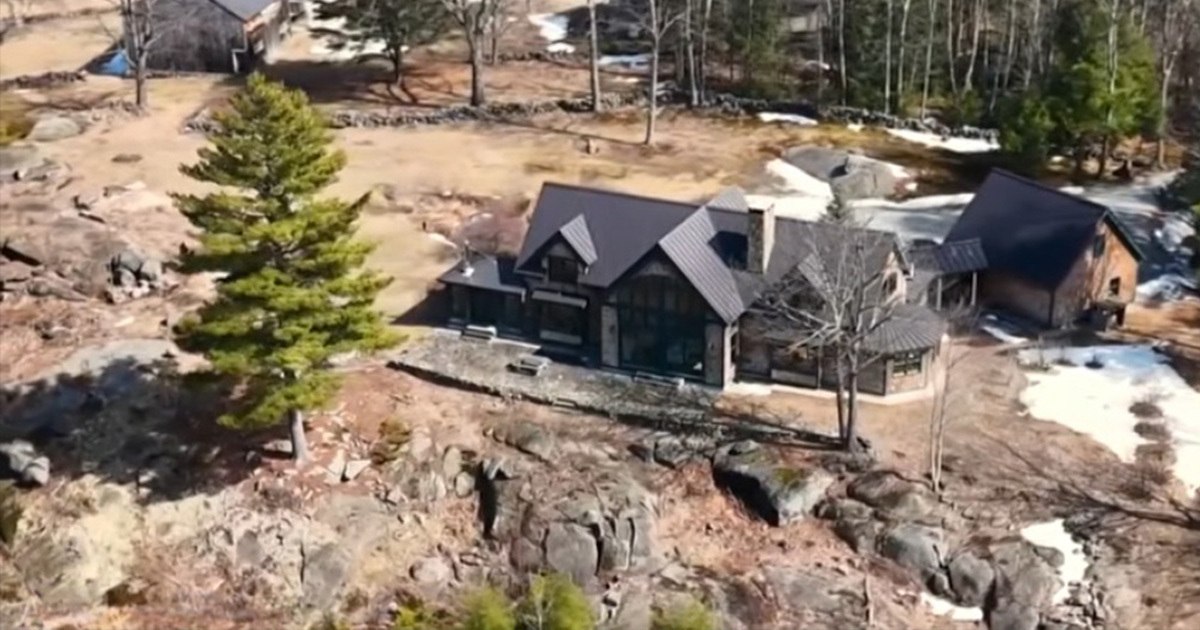
La liste ne dit pas son nom. C'est le produit. Une ancienne ferme sur l'acre de 156 Bradford, New Hampshire, complexe où des agents du FBI ont arrêté Ghislaine Maxwell le 2 juillet 2020, est offert à 2 500 $ par mois, deux chambres, une salle de bain, une cheminée en pierre, un noyau des années 1800 et un ajout des années 1980. La plus grande maison, l'un des agents a violé, n'est pas à louer. L'annonce promet la chose que Maxwell elle-même a demandée au spectacle : calme et intimité. Elle s'était présentée à l'agent immobilier comme Janet Marshall, une journaliste qui voulait être laissée seule. Les nouveaux propriétaires vendent la même phrase aux étrangers. Realtor.com found the listing. The Daily Beast matched public records to a Massachusetts man who owns a construction company known for work on Martha’s Vineyard and Cape Cod, buying with his wife. L'Alliance AEGIS is still stuck on the wire that made the driveway possible.
Maxwell a payé 1 070 750 $ en espèces en décembre 2019 pour le complexe de bois du 338 East Washington Road, quatre mois après que Jeffrey Epstein ait été trouvé mort dans une prison de Manhattan. L'acte a été signé par Granite Realty LLC, une société debout le mois précédent et enregistrée à Scott Borgerson, puis son mari et le syndic de la Montpelier Trust, elle était constituante. La succession est revenue sur le marché en juillet 2025 à 2,49 millions de dollars, a été réduite à 2,37 millions de dollars, a été en attente en mars 2026, et vendu pour un peu moins de 2,4 millions de dollars. New Hampshire Public Radio a cité Dave Cummings de l'association des agents immobiliers de l'État : de 2019 à 2025, la valeur de la propriété a bondi d'environ 124 pour cent, devant la moyenne d'environ 89 pour cent de l'État. La liste médiane de Bradford alors qu'il n'était pas vendu était d'environ 520 000 $. La notoriété était censée empoisonner le prix. Un marché chaud de deuxième maison a traité la dernière adresse d'un lieutenant de traite comme une curiosité avec une vue sur la montagne.
UBS Drafted the Breakup, Then Funded the Gate
Le ministère de la Justice enregistre l'achat avec un numéro de rue sur eux. Le 12 novembre 2019, UBS a envoyé près de 8 millions de dollars d'un compte lié au Montpelier Trust dans un compte TD Ameritrade sur l'orbite de Borgerson. L'argent est passé par une autre fiducie et a fermé la maison. Un tableau fédéral du 12 avril 2022 est intitulé avec l'adresse de Bradford. Reuters reconstructed it. The chart is not a blog post. It is a flowchart a prosecutor could hand a jury.
Les dates autour de ce fil sont l'histoire de conformité UBS préférerait appeler la gestion des relations. Le 1er août 2019, la banque a envoyé un courriel à Maxwell pour lui demander de la couper dans un mois et de ne donner aucune raison. Le 16 août, un Le jury a demandé le dossier de Maxwell dans une enquête scellée sur la traite des enfants. Le transfert de novembre est toujours sorti pendant que UBS discutait avec le FBI comment répondre à cette assignation. La banque avait couru jusqu'à 19 millions de dollars pour elle en espèces, actions et fonds spéculatifs, avec deux gestionnaires de relations, relations ouvertes en 2014, la période où JPMorgan poussait Epstein est sorti. Barclays s'est aussi assis dans le matériel du ministère de la Justice comme banque clé et a refusé de le discuter. Après l'arrestation, UBS a déposé un rapport d'activité suspecte couvrant plus de 18 millions de dollars qui avaient déjà déménagé des comptes liés à Maxwell à Borgerson entre 2014 et 2020. Un rapport déposé après les menottes est un scrapbook, pas un stop.
Tom Kirchmaier de la London School of Economics a dit que les banques ont parlé d'une enquête criminelle secrète généralement à la recherche de tout crochet public pour geler l'argent. La version plus courte du sénateur Ron Wyden est que les clients ultra-pauvres peuvent marcher de l'autre côté de la rue, de sorte que les banques regardent loin. Il a appelé Maxwell une partie essentielle de l'opération de trafic d'Epstein, pas un personnage parallèle. Le même classement des clients est pourquoi Bank of America has already paid $72.5 million dans un fonds de survie sans l'admettre a facilité quoi que ce soit. Un courriel de coupure suivi d'un transfert de 8 millions de dollars n'est pas une confusion. C'est un choix sur lequel le client vaut encore le risque.
Janet Marshall, a Foil-Wrapped Phone, and a Town That Was Not Supposed to Know
Lors du spectacle, une associée et une femme utilisant les noms Scott et Janet Marshall, accents britanniques attachés, ont dit à l'agent qu'elle avait besoin de calme pour son travail. Plus tard, les voisins ont décrit une longue allée, une porte verrouillée, d'anciens entrepreneurs militaires britanniques en matière de sécurité, et presque aucun trafic. Lorsque les agents se sont annoncés à une fenêtre le 2 juillet 2020, les procureurs disent que Maxwell a déménagé pour une autre pièce et fermé la porte. Ils ont violé. Sur un bureau, ils ont trouvé un téléphone enveloppé dans du papier, une mauvaise idée qui vous dit encore qu'elle comprenait les tours. Le chef de la police de Bradford, Edward Shaughnessy, est entré dans l'équipe. Les locaux ont dit aux journalistes qu'ils ne savaient pas qui vivait derrière les arbres. Les dossiers du FBI montrent aussi que des agents avaient poursuivi une piste de carte de crédit vers la ville de Sutton avant que les données téléphoniques la mettent à Bradford. La distance par rapport à une caméra et un commis était tout le design. L'argent à la table de clôture a empêché un preneur d'hypothèques de demander pourquoi une LLC d'un mois voulait 156 acres et une porte.
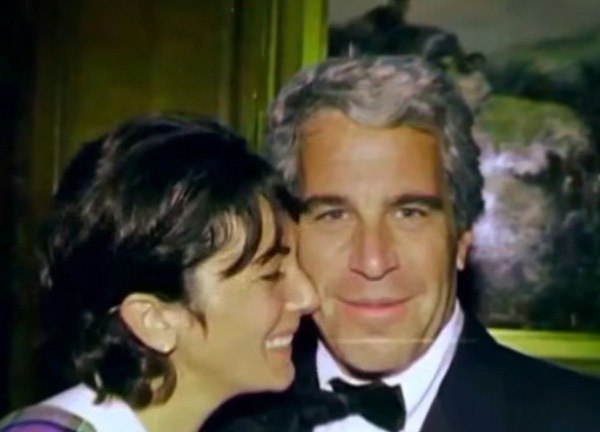
Chaque couche a fait un travail. La fiducie a gardé son nom hors de la recherche facile. Le mari-fiduciaire a fait le routage à l'air domestique. UBS a maintenu la liquidité en mouvement après qu'il avait déjà rédigé les adieux. La feuille était la dernière couche, la moins chère. Ensemble ils ont acheté des mois. Maxwell a été condamné en 2021 pour recrutement et toilettage de filles mineures pour Epstein et a tiré 20 ans. La Cour suprême a refusé son appel en octobre 2025. Elle dépose toujours des papiers après la condamnation. La maison n'a pas attendu ça. Il a apprécié, changé de mains, et a commencé la publicité week-end.
Privacy, Resold
The rental’s silence about Maxwell is not an accident of a lazy listing agent. It is the amenity. « For those who like quiet and privacy, this is your spot » is Janet Marshall’s line with the accent removed. A Cape and Islands contractor now owns the acreage. The main house stays private. The farmhouse takes $2,500 from anyone who wants the trees. The stone at the driveway can still say Tucked Away. What it cannot say, because the ad will not, is that a Swiss bank moved the purchase money after a child-sex-trafficking subpoena, that the buyer at the first closing was hiding from the FBI, and that the conviction stayed in place while the deed moved on.
Les banques décrivent ces épisodes comme des échecs isolés de la gestion des relations. Le calendrier ne coopère pas. UBS a ouvert Maxwell alors que d'autres magasins fermaient Epstein. Il a envoyé un e-mail après sa mort. Il a reçu une assignation à comparaître deux semaines plus tard. Il a encore déplacé près de 8 millions de dollars en novembre. Il a déposé le rapport d'activité suspecte quand le dépôt était moins cher, ce qui est après l'arrêt. Les lecteurs qui font le reste du grand livre peuvent commencer par the original arrest file, les fight over what the FBI wrote downet les crime news et U.S. news Des bureaux à l'AEGIS Alliance. Une banque qui demande un e-mail de coupure peut télécharger 8 millions de dollars est la position des clients. La ferme est le classement des invités. L'AEGIS Alliance gardera le fil sur la page même si la liste antérieure parle de la cheminée.