Santa Clara Prosecutors Close the 1991 Killing of San Jose Freshman Raymond Ojeda After DNA Ties the Teen Shooter to a Man the FBI Shot Dead in Ohio

The Santa Clara County District Attorney’s Office closed a 33-year-old San Jose homicide by naming a dead man. On September 28, 1991, 15-year-old Gerardo Aguilar shot and killed 14-year-old Raymond Ojeda, a high school freshman, during a gang confrontation on Foxdale Loop in East San Jose, near East Capitol Expressway and Story Road. Investigators identified Aguilar at the time and issued a juvenile warrant. He disappeared before anyone could serve it. The AEGIS Alliance is returning to the file because the killer was not hiding in another country. He was living under a new last name in suburban Ohio until FBI agents shot him in 2007 during a drug investigation that had nothing to do with a San Jose freshman.
District Attorney Jeff Rosen’s Cold Case Unit, opened in 2011, pulled the case back because families do not age out of wanting a name. Investigator John Cary ran family records and noticed Aguilar’s sister used the surname Mulato. A search for « Gerardo Mulato » turned up photographs of a man in Forest Park, Ohio, outside Cincinnati, who looked like the teenage suspect grown older. That is not cinematic detective work. That is a clerk’s hunch plus a records search plus the patience to compare faces across three decades.
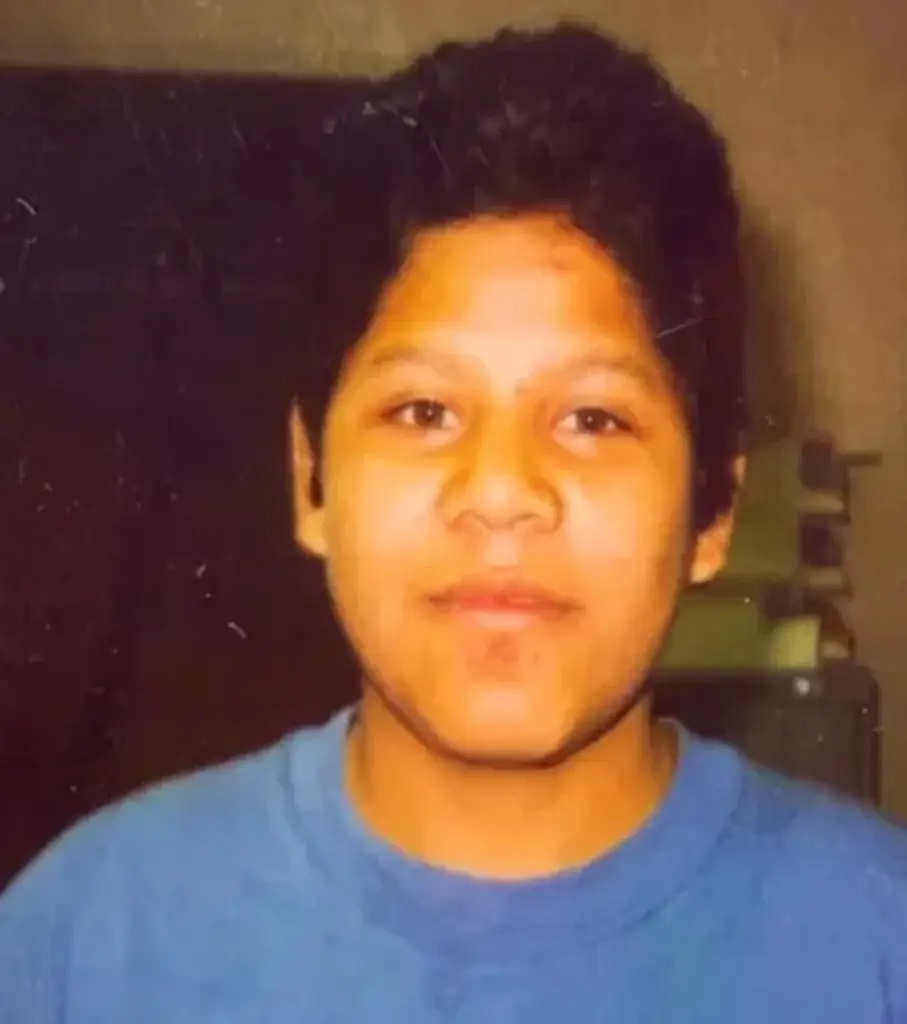
The DA’s office said DNA analysis confirmed they were the same person. « Aguilar had been living in Ohio under the [last] name Mulato for several years. » The Mercury News, CBS Bay Area, and NBC Bay Area carried the same identification in August 2024. San Jose police had obtained the warrant during the original investigation. They could not find him. The Bay Area assumed he had left. He had.
A new name in Ohio did not mean a quiet life
The assumed name did not keep him out of local trouble. In 2004, still using Mulato, he was arrested in Springfield, Ohio, after an alleged assault with a baseball bat. In 2007 the FBI opened a drug-trafficking investigation. Prosecutors say Aguilar saw agents installing a tracker on his car, mistook them for thieves, and pulled a gun. An agent shot and killed him. Neither the Bureau nor local police knew that night that the dead man was a wanted California homicide suspect. The shooting closed an Ohio case and, without anyone realizing it, erased the defendant San Jose had been hunting since 1991.
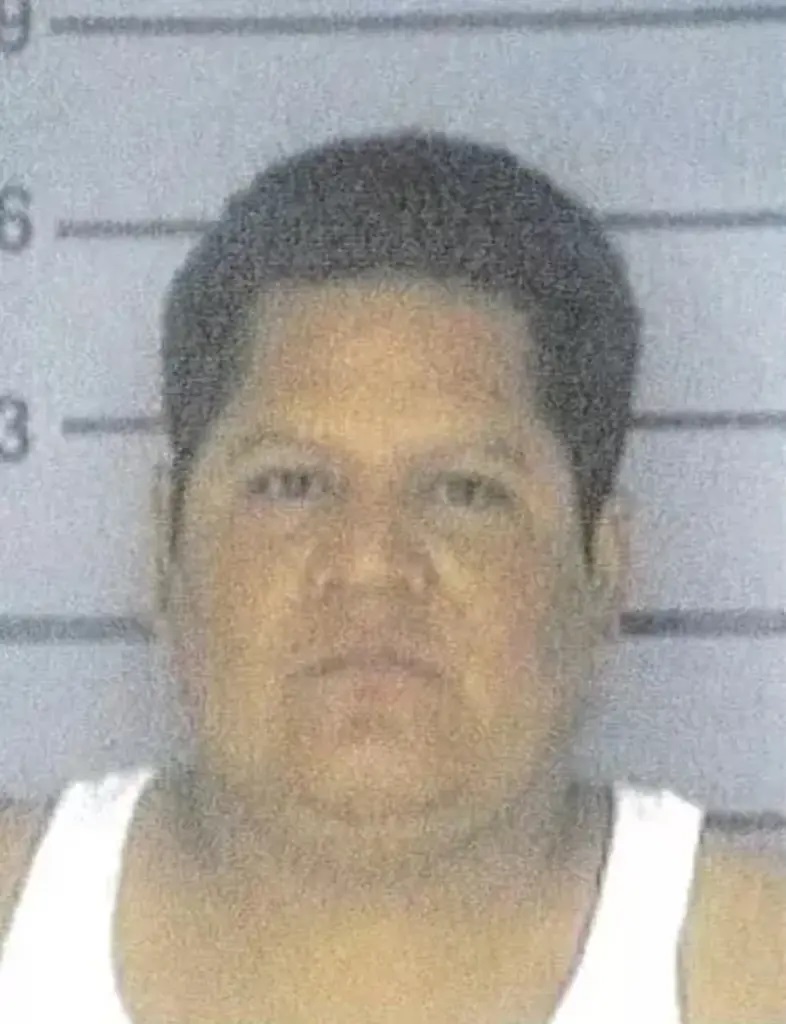
That is the ugly geometry of a cold case that ends with a corpse instead of a verdict. Ojeda’s family will never sit through a trial. They will never watch a jury say the name out loud in a Santa Clara courtroom. What they received in 2024 was an identification, a pair of photographs, and a prosecutor willing to say the file is no longer open. Rosen used the announcement to mark the unit’s other work: 20 homicides and 15 sexual-assault cold cases solved since 2018. « It’s never too late to identify a killer, » he said. « People may forget. But victims’ families and my office do not. »
What « solved » means when the shooter is already buried
Police departments like the word solved. Families hear something else. A solved case with a living defendant is a trial, a sentence, a chance to look at the person who pulled the trigger. A solved case with a dead defendant is a press release and a DNA match. Both can be true. Only one looks like justice in a hallway outside Department 40. The AEGIS Alliance is not pretending the Forest Park shooting was punishment for Foxdale Loop. It was a separate federal encounter that happened to kill the right man for the wrong file.
Cary’s method is the part other offices should steal. He did not wait for a new witness to grow a conscience. He followed a sister’s surname, found a Midwestern man who looked like the boy in the 1991 packet, and paid for a DNA comparison instead of declaring the resemblance good enough. That last step matters. Look-alike identifications have wrecked other cases. The office says the lab work closed the gap. Without it, « Gerardo Mulato » would have stayed a theory with a Cincinnati zip code.
East San Jose in 1991 was not short on gang shootings. A 14-year-old freshman dying on Foxdale Loop was one more night that the city filed and then, for years, did not reopen. Juvenile warrants expire in the public mind even when they do not expire on paper. Aguilar was 15. He became 31 in Ohio, then dead, then a name on a Santa Clara letterhead. The years in the middle belong to Ojeda’s relatives, who had to live with a blank where a defendant should have been.
Cold-case units exist because memory is not a filing system
Rosen’s unit was built in 2011 because homicide binders do not call themselves. DNA got cheaper. Databases got larger. Investigators learned to search aliases the way they used to search addresses. The Ojeda file is an advertisement for that model and a warning about its limits. The warning is simple: if the suspect dies on another agency’s scene, the originating county may not find out for 17 years. No national alarm rings when a wanted juvenile from San Jose is shot in Ohio under a different last name. Someone has to go looking.
The AEGIS Alliance tracks long-dormant files under cold cases and Crime News, including the West Rockhill neglect sentences that also turned on what investigators found after years of looking the other way. Related reporting on delayed accountability includes the San Antonio trailer prosecutions that also needed years and an extradition to produce a courtroom date. For a wider view of how institutions sit on names, see our U.S. News file.
Ojeda should have been a sophomore, then a graduate, then someone older than the man who shot him. Instead he is a 1991 homicide number that finally has a closed box. Aguilar should have answered a juvenile petition in Santa Clara County. Instead he died in an FBI shooting that Ohio treated as a drug-warrant gone loud. The two stories only met because an investigator typed a sister’s last name into a search bar. That is not a satisfying ending. It is the ending the evidence now supports, and The AEGIS Alliance is putting it on the record so the next family that waits 33 years knows the wait is not the same thing as a refusal to look.