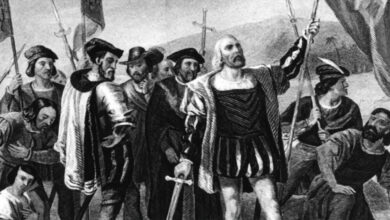
Fenced on the Eisenhower Lawn and Flowing Again at Union Station, Columbus Became the White House Prop for a 250th Anniversary

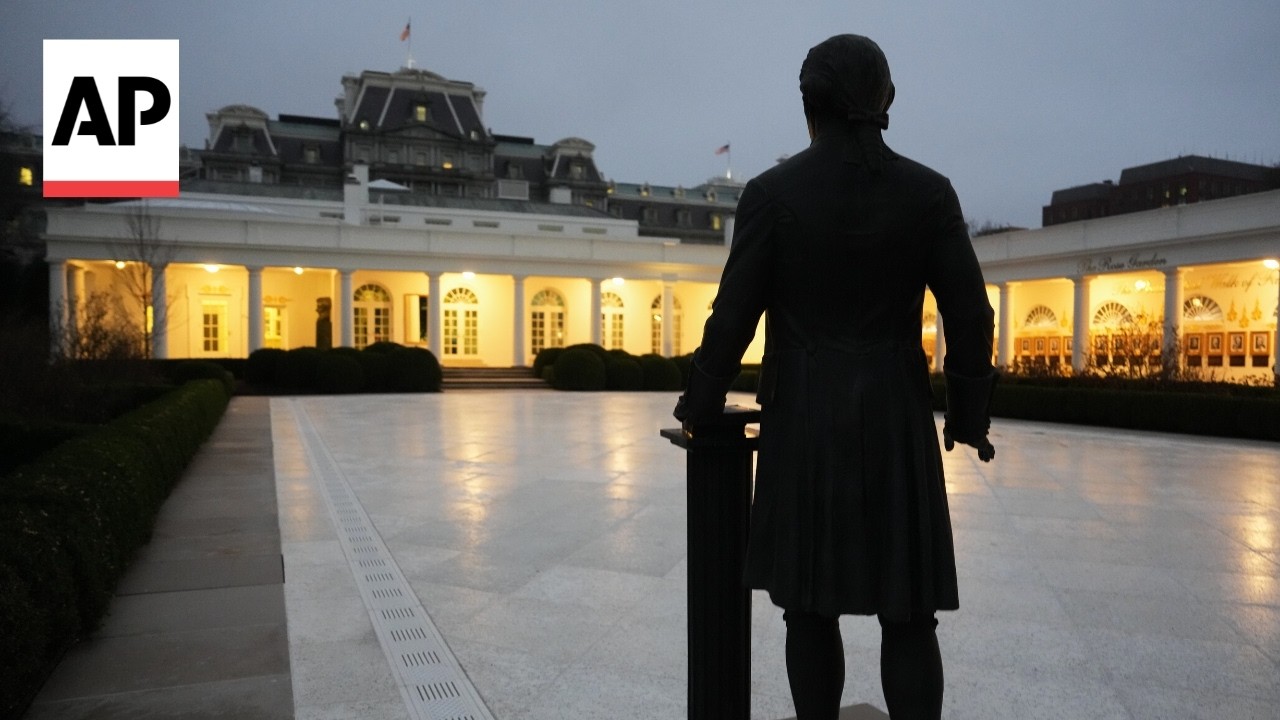
Washington ahora tiene dos monumentos de Cristóbal Colón haciendo diferentes trabajos. Una es una réplica de mármol vallada en el césped de la Oficina Ejecutiva de Eisenhower, prestada hasta el final del mandato presidencial. La otra es una fuente de 1912 en Union Station que se secó desde 2007 hasta un corte de cinta esta primavera. Ninguno de los objetos es una lección de historia. Ambos son escenarios para el 250 aniversario de la independencia.
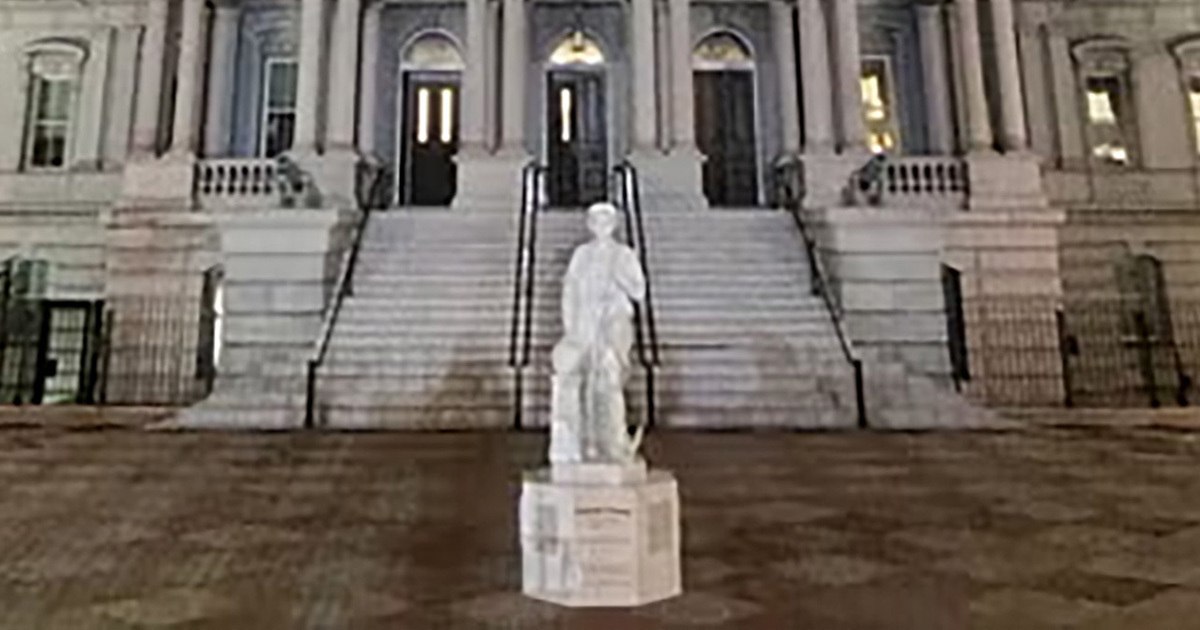
Workers lowered the 13-foot, roughly one-ton replica onto the north side of the Eisenhower building over the weekend of March 21 and 22, 2026, before most of Pennsylvania Avenue was awake. White House spokesman Davis Ingle said that in this White House Columbus is a hero whose life the administration intends to honor «for generations to come.» Italian American Organizations United owns the piece and loaned it for the rest of the term. The pedestal reads like a campaign flyer carved in stone: dedicated in 1984, «Destroyed July 4, 2020,» «Resurrected 2022,» and «Rededicated by President Donald J. Trump, October 13, 2025.» The Guardian tied that last line to the previous fall’s Columbus Day proclamation, not to any newly opened archive.
The Fountain Is the One Tourists Can Actually Walk Up To
El mármol del césped ejecutivo se sienta detrás del esgrima. La versión pública del mismo argumento es Columbus Circle, frente a Union Station. El 28 de mayo de 2026, secretario de Interior Doug Burgum, secretario de transporte Sean Duffy, embajador italiano Marco Peronaci, embajador español Ángeles Moreno Bau, Andrew Giuliani cortar una cinta en una restauración que puso el agua de nuevo en la fuente de memoria de Cristóbal Colón por primera vez desde 2007. El Interior Department called the plaza a «historic front door» and credited five months of stone work, new plumbing, and safer walkways. The National Italian American Foundation put the price at $11.8 million, inside a wider Park Service push of more than $54 million to repair seven District fountains before July 4.
La fuente es mayor que la lucha que la gente cree que está teniendo. Daniel Burnham diseñó el círculo. Lorado Taft esculpió el memorial. Fue dedicada en 1912, un eje de 45 pies bajo un globo, con figuras para el Viejo Mundo y el Nuevo. Se secó en el George W. Bush años y se quedó seca por tres presidentes. Volviendo el agua es el mantenimiento vestido como una victoria de la guerra cultural. La línea de Burgum, que el círculo da la bienvenida al público de nuevo debido al presidente, convierte un trabajo de fontanería en una prueba de lealtad. Una columna de Washington Times el 22 de septiembre trató la fuente y la réplica de Eisenhower como un romance entre el presidente y el explorador. La columna es comentario. El emparejamiento sigue siendo el punto: un Colón detrás de una cerca, un Colón frente a los trenes.
The Patio Next Door Was Furnished by a Donor
The same months filled the Rose Garden, now a stone patio off the Oval Office, with life-size bronze. George Washington was already there, a piece that had stood at the Washington Monument. In March, Alexander Hamilton and Benjamin Franklin arrived. «Freedom’s Charge,» two Revolutionary War soldiers by Chas Fagan, joined them. In July, a seated Thomas Jefferson with a quill and a draft of the Declaration, sculpted by George Lundeen of Loveland, Colorado, became the fifth. El Nueva York y The Associated Press treated the cluster as a garden of approved ancestors, not a new commission from a federal foundry.
Tres de esos bronces están en préstamo de Harlan Crow, el multimillonario inmobiliario de Dallas cuyos regalos a la Justicia Clarence Thomas han sido un escándalo separado. Un portavoz de Crow confirmó el préstamo El Washington Post. Washingtonian informó que los Hamilton, Franklin y soldados salieron del campus de Crow en Dallas, y que la colección de Crow ha incluido material de la era nazi y un patio trasero que tiene llamado jardín de dictadores. La Casa Blanca no necesitaba comprar un nuevo Jefferson. Necesitaba a alguien que ya poseía los bronces adecuados y estaba dispuesto a aparcarlos donde apuntaban las cámaras. Edward Lengel, antiguo historiador jefe de la Asociación Histórica de la Casa Blanca, dijo al Times en marzo que los terrenos se estaban convirtiendo en un campo de batalla partidista. A finales del verano el campo de batalla tenía una etiqueta de donante.
Un jardín nacional más grande de héroes americanos, un campo prometido de 250 estatuas en West Potomac Park, ha sido ralentizado por una demanda de preservación. El césped y la plaza se convirtieron en la galería sustituto. Cuando un parque de monumentos planeado no puede despejar una sala, la presidencia instala una más pequeña que no tiene que hacerlo. Eso no es curación. Es impaciencia con cualquier proceso que pueda decir que no.
The Voyage That Schoolbooks Flattened
Colón navegaba al oeste en 1492 y llegó a las islas del Caribe: Guanahani, que renombraba San Salvador, luego Cuba y Hispaniola. Hizo cuatro cruces. Nunca puso una bota en la masa continental que se convirtió en Estados Unidos. John Cabot, navegando por Inglaterra, llegó a ese continente en 1497. Los tripulantes de Leif Erikson ya habían pasado un invierno en Terranova alrededor del año 1000. Naciones indígenas en el hemisferio habían estado viviendo allí durante milenios antes de que llegaran cualquiera de esos keels. Colón murió insistiendo en que había encontrado un acercamiento occidental a Asia. Las personas que conoció fueron llamadas indios por ese error, y el error fue escrito en mapas, sermones, y más tarde en cívico americano.
The tidy «discovery of America» is a 19th-century civic product. Italian American communities, facing Protestant suspicion and lynchings in the late 1800s, had a reason to want a heroic ancestor in the schoolbook. The 1892 Columbian Exposition sold them one. An item that year in Michigan’s Owosso Times already mocked the «Columbus Canard.» Usefulness is not the same thing as a landing. Pride in the people who later built parishes, unions, and city machines in Baltimore, Boston, and New York does not require a false footfall in North America, and it does not require silence about Hispaniola. CNN has walked that distinction for years. The pedestal on Pennsylvania Avenue does not.
The October 2025 Columbus Day proclamation called him «the original American hero» and «a giant of Western civilization,» and it promised to pull the holiday back from people the text called arsonists. The marble is that paragraph with a fence around it. Basil Russo, who leads the Conference of Presidents of Major Italian American Organizations and helped broker the move, told El Nueva York this was Columbus making a comeback from «the darkest days» of five or six years earlier. The darkest days, in that telling, are the days a city took a statue down. They are not the days the voyage imposed a gold quota.
Hispaniola Is Still in the Record
En Hispaniola, Colón y sus hermanos dirigieron una colonia que exigía oro. Las comunidades Taíno que perdieron la cuota fueron castigadas con mutilación, esclavización y asesinato. Bartolomé de las Casas, sacerdote de la misma generación que comenzó como participante en la conquista y se convirtió en su acusador, describió el trabajo forzado, la explotación sexual de las mujeres y niñas, y un colapso de la población impulsado por la violencia y las enfermedades. Colón fue arrestado en 1500 y enviado de vuelta a España en cadenas después de quejas sobre cómo gobernaba. Rival Spaniards tenía sus propios motivos. El patrón de coacción no es una invención moderna. Snopes has laid the primary-source fight out without sanding the edges off.
Es por eso que manifestantes en Baltimore retiraron el monumento de la pequeña Italia de 1984 el 4 de julio de 2020, durante las protestas después del asesinato de George Floyd, y lo lanzaron al Inner Harbor. Divers trajo fragmentos. La réplica ahora frente a la avenida fue reconstruida en el estudio del escultor Tilghman Hemsley, mezclando piedra recuperada con nuevo mármol, y se sentó durante años porque Baltimore no Devuélvelo. El cabildeo de Maryland John Pica, que dirige el grupo propietario, dijo que la estatua había encontrado finalmente un lugar donde podía estar protegido. La protección, aquí, significa una valla federal y un préstamo temporal. No significa que los documentos cambiaron.
Las ciudades que sustituyeron el día del columbus con el día de los pueblos indígenas estaban respondiendo a ese registro. la casa blanca respondió a las ciudades. Un gobierno que necesita un explorador sanitizado para subescribir un verano patriótico está diciendo en sí mismo. El aniversario puede honrar a gente que realmente construyó el país, incluyendo las naciones que ya estaban aquí y los inmigrantes que llegaron siglos después, sin pretender un La caída del Caribe fue un descubrimiento continental. The AEGIS Alliance has tracked how official stories get bolted to public stone across the política y U.S. news desks, including the way a different kind of civic stunt in Wisconsin ended with the stunt artist losing his own vote, in the file on Harry Wait’s absentee-ballot conviction.
El préstamo expira con el plazo. La fuente seguirá corriendo después de que la escultura de césped se camione, o no, dependiendo de quién tenga el Departamento del Interior. El registro de Taíno no expira. Una estatua que anuncia su propia resurrección está haciendo trabajo religioso para una facción política. Destruido, resucitado, rededicado: es una liturgia, y las liturgias no son necesarias para ser verdad. La historia que no puede sobrevivir los registros del barco y las Casas es un paisaje. Washington pasó el año del aniversario instalando escenarios, y luego pidió al país que lo llamara memoria.