China’s Emergency Ministry Joined Hubei to Attack Missouri’s $24,488,825,457 COVID Default Before the State Files Its Answer

Three Chinese Defendants Have Now Shown Up to a Case They Ignored for Five Years
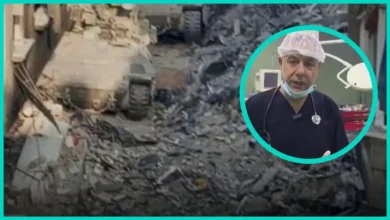
Durante cinco años el tribunal de Missouri era opcional. El 31 de agosto de 2026, esa fase terminó. El gobierno popular de la provincia de Hubei y la academia china de ciencias contrató blanco y caso y pidió a los estados unidos juez de distrito Stephen N. Limbaugh Jr. para desestimar un fallo por defecto de $24,488,825,457 y desestimar el caso. Tres días después, el 3 de septiembre, el Ministerio de Gestión de Emergencias de la República Popular China presentó su propia moción, una apariencia limitada en virtud de la Regla 60(b)(4), argumentando que El fallo es nulo porque el tribunal nunca tuvo jurisdicción. El socio en los papeles del Hubei es Christopher Curran en Washington, un litigator que ha representado a gobiernos extranjeros en los tribunales estadounidenses antes. El número del orden del 7 de marzo de 2025 no es una figura política redonda. Son $24,488,825,457 más intereses posteriores al juicio, ingresados en la División del Sureste del Distrito Oriental de Missouri, caso 1:20-cv-00099.
Missouri Attorney General Catherine Hanaway’s office answered the first filing the same day. «China is several years too late,» a spokesperson said. «Missouri will defend its judgment, which has been upheld by the U.S. Court of Appeals for the Eighth Circuit. We will continue to hold China accountable for the suffering it inflicted on Missourians during the COVID-19 pandemic.» The docket then did something campaign speeches do not. It set a calendar. Limbaugh gave the state until October 19, 2026, to file one consolidated response to the vacatur motions, and he gave Hubei, the Academy, and the Emergency Ministry until December 3, 2026, to reply. The silent default is over. The first real answer from Jefferson City to the lawyers who finally appeared is not even due until mid-October.

Almost the Entire 2020 Complaint Is Already Dead
El General Eric Schmitt presentó la demanda el 21 de abril de 2020, con cuatro teorías y nueve acusados chinos: la República Popular, el Partido Comunista, la salud nacional y cuerpos de emergencia y civiles, Hubei, Wuhan, el Wuhan Institute of Virology, y la Academia China de Ciencias. La mayor parte del fregadero de la cocina se ha ido. El Octavo Circuito limpió la salud pública y la encubrimiento cuenta con terrenos soberanos-inmunitarios y dejó un camino: una afirmación de antimonopolio de que las entidades chinas acaparaban máscaras, vestidos, y guantes mientras el resto del mercado todavía estaba escuchando que el virus no se diseminó fácilmente entre las personas. Ese sliver se ajusta a la excepción comercial-actividad en la Ley de inmunidades soberanas extranjeras. Es la única razón por la que un juez federal en Cabo Girardeau todavía tiene un archivo en vivo. Los lectores que recuerdan cómo el dinero pandémico se trasladó a través de las instituciones americanas pueden establecer este muelle junto a the stimulus machinery The AEGIS Alliance examined while the masks were still missing.
La orden predeterminada de Limbaugh trataba sillas vacías como un caso probado. El propio memorando del Ministerio de Emergencia describe el fallo como 8.162.941.819 dólares en daños reales, trazados bajo los estatutos antimonopolios a 24.488.825.457 dólares, conjuntamente y varios contra los nueve acusados. Cuentas anteriores de la orden rompieron la pieza compensatoria en aproximadamente $8.04 mil millones en ingresos fiscales perdidos de Missouri proyectados a 2051 y alrededor de $122.9 millones en gasto extra en equipo de protección. El juez escribió que el patrón sugiere que los funcionarios sabían sobre la propagación humana-humana a principios de septiembre de 2019 y sostuvo las noticias lo suficientemente largas para aspirar el producto. Esos son hallazgos introducidos porque nadie presentó una respuesta. El trabajo de White y Case es levantar las sillas y llamar a los hallazgos incompetente. El informe del ministerio va más allá. Dice que la sentencia afirmó la jurisdicción sin fundamento jurídico, que las reclamaciones antimonopolios nunca fueron las que se cumplieron, y que un tribunal de distrito cuestionaba la Constitución deja a las ramas políticas.
Farmland Speeches Are Not Levies
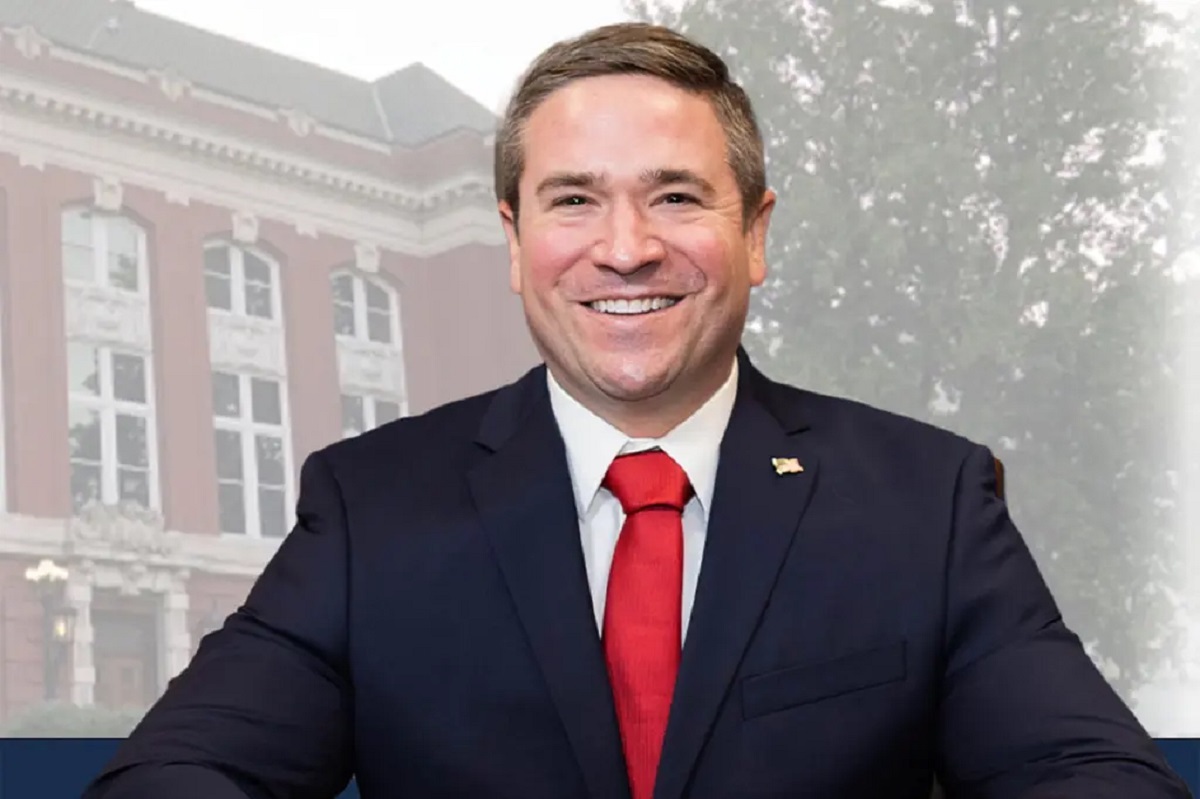
Andrew Bailey heredó el caso después de que Schmitt se fuera al Senado. Cuando el predeterminado cayó en marzo de 2025, prometió recoger cada centavo aprovechando los activos de propiedad china, incluyendo el campo de Missouri. Bailey dejó la oficina para el FBI. Hanaway asumió el cargo en septiembre de 2025 y, en invierno, había empujado paquetes de juicio hacia el servicio diplomático bajo la Ley de inmunidades soberanas extranjeras. Mississippi recogió un defecto similar, reportado alrededor de $25 mil millones, en mayo de 2025. Las capciones de copycat no facilitan la ejecución. Le dan a cada acusado una razón para luchar en el primer foro que parece que podría tocar la propiedad.
La embajada china llamó al orden de Limbaugh un ataque a la soberanía. En abril de 2025, el gobierno de la ciudad de Wuhan, la Academia y el Instituto de Virología de Wuhan demandaron a Missouri en la Corte Popular Intermedio de Wuhan, pidiendo disculpas y una suma reportó alrededor de $51 mil millones. Esa presentación era el teatro con un número de cartas. Un juicio en Wuhan no mueve un tractor en el condado de Audrain. Contratar a Curran podría. Los juicios predeterminados contra los soberanos extranjeros parecen enormes hasta que alguien que conoce el estatuto entra con una moción para abandonar. Los argumentos en vivo son familiares a cada mesa de inmunidad: si el servicio en un soberano era bueno, si comprar máscaras era acaparamiento comercial o un acto de salud pública, y si la inmunidad de ejecución aún bloquea a los políticos de tierras agrícolas que siguen describiendo en podios. The statute cares about property that belong to a named defendant and was used in the commercial activity that produced the claim. Una agricultura provincial en Missouri no es automáticamente una caja de N95s.

What the October and December Briefs Actually Test
Hubei’s motion says the district judge has no power over the defendants, that the award intrudes on foreign affairs, and that Missouri offered no proof any defendant broke a contract to ship protective equipment to the United States. «Missouri put forward no evidence that any defendant broke any contract to ship PPE to the United States during the relevant period,» the filing told the court. The Emergency Ministry, entering only to attack jurisdiction, asks whether a $24.5 billion default can stand when it was entered against sovereigns who had not appeared, on claims the brief says were never pleaded in the form that was served. Missouri will answer that the defendants were served, that they chose silence, and that the commercial exception exists so a state can sue when a foreign instrumentality enters a market and distorts it. Both stories now have a due date. October 19 for the state. December 3 for the reply.
Both sides also have a political audience the court is not required to please. Missouri voters were promised a historic collection. Beijing cannot accept a U.S. district judge pricing the early pandemic. Limbaugh answers to the immunity statute and to whether he abused his discretion when he treated empty-chair damages as proved. The Eighth Circuit has already saved the narrow claim once. It has not blessed a tax-revenue model that runs to 2051, tripled, as if it were a check. The AEGIS Alliance has watched other headline numbers collide with collection reality, including Citigroup’s $81 trillion near-miss. A wire that large can be unwound in a day. A sovereign default cannot. Hanaway can mail packets. She cannot print a lien on the People’s Bank of China.
A Judgment Is Not a Check, and the Briefing Proves It
Collection remains the unglamorous half even if the state beats both motions. Farmland titled to a private Chinese investor is not farmland titled to the People’s Government of Hubei Province. Banks, aircraft lessors, and port operators will lawyer every levy. The ministry’s appearance is a warning about that problem, not a payment. Three defendants are now paying American counsel to argue the court was powerless. The other names on the caption, including the central government and the Wuhan Institute of Virology, have not all made the same choice. A partial appearance can still crack a joint-and-several judgment if the judge decides the whole award was void.
Until a marshal tags an asset, the accurate sentence is the boring one. A federal judge in Missouri entered a default in March 2025. A Chinese province retained a global firm in August 2026. An emergency ministry followed in September. The state has until October 19 to defend the number, and the defendants have until December 3 to answer that defense. The Foreign Sovereign Immunities Act, not a press conference about farmland, will decide whether $24,488,825,457 is a verdict or a monument. More of the file sits in política, noticias internacionales, y U.S. news at The AEGIS Alliance. The chairs are no longer empty. The money has not moved.